
An Israeli research center published new details of a hidden valley containing the largest caches of ballistic missiles of the Iranian Revolutionary Guards Corps (IRGC), 150 kilometers from the Iraqi border.
The Jerusalem Post reported that Iran is using a valley in Kermanshah to base its Qaim-1 ballistic missiles, according to the Israeli Alma Research and Education Center.
According to a video clip published by the center, the valley includes at least 61 caches for missiles under the mountains of Iran.
In addition, 80 more missile bunkers are at the Panj Pelleh site, likely to include an arsenal of Qaim and Fateh missiles.
The video shows the deployment of anti-aircraft missiles at heights near the valley and a site for surface-to-air missiles at Kermanshah Airbase.
Tehran accelerated expanding its arsenal of ballistic missiles, which concerns Western countries.
Last month, Tehran unveiled its first domestic hypersonic ballistic missile with a range of 1,400 km during an official ceremony. In May, it launched a rocket with a range of up to 2,000 km.
Earlier this month, sources told Reuters that European diplomats had told Iran they plan to retain European Union ballistic missile sanctions set to expire in October under the defunct 2015 Iran nuclear deal.
According to the dates set by the sunset clauses stipulated in the nuclear agreement, the EU sanctions expire on Oct. 18 under a UN resolution that enshrined the 2015 nuclear deal.
The EU attributed three reasons for keeping the sanctions: Russia's use of Iranian drones in the Ukraine war, the possibility of Iran transferring ballistic missiles to Russia, and Iran's denial of the advantages granted under the nuclear agreement, given its violation of the accord.
The location of the missile caches in Kermanshah was leaked in March 2021 after the People's Mojahedin Organization provided some information about the site during a press conference in Washington.
The IRGC bases in Kermanshah were the target of Israeli drones last year.
In mid-February last year, Israeli media stated that six Israeli drones attacked the Mahidasht base in Kermanshah, destroying hundreds of the Revolutionary Guards' drones.
IRGC media stated that a fire caused an old fuel store explosion at a military base.
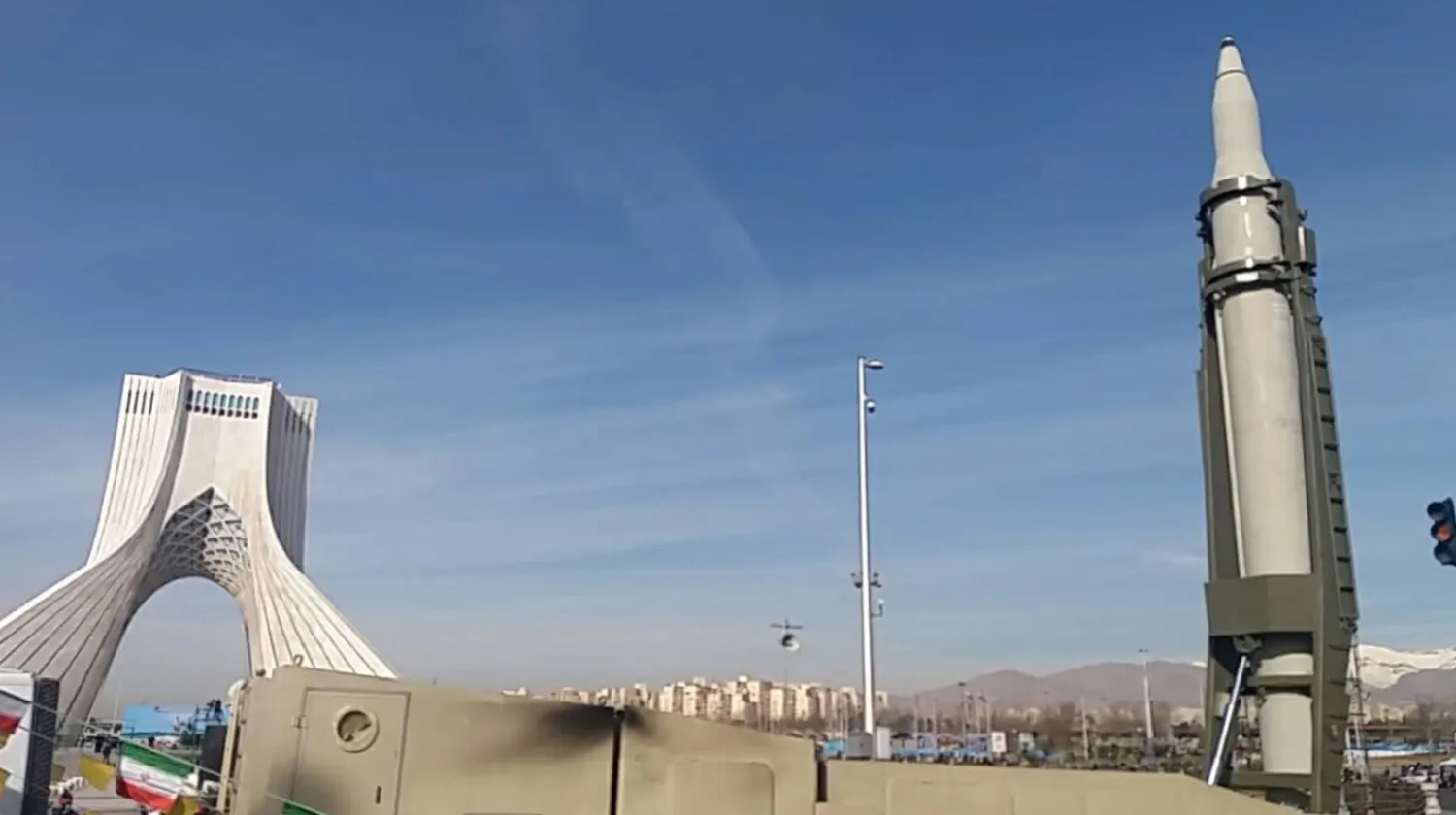
The Qiam missile is liquid-fueled, a short-range ballistic missile (SRBM) developed and deployed by Iran with a range of 800 to 1,000 kilometers and carries a separate warhead in its new generations.
Iran has employed the Qiam-1 in combat operations on multiple occasions since 2017, including the attack on the Ain al-Assad base in January 2020 and against ISIS terrorists in eastern Syria to bomb ISIS sites in October 2018.