China to Resume 15-day Visa-free Entry for Singapore, Brunei Citizens

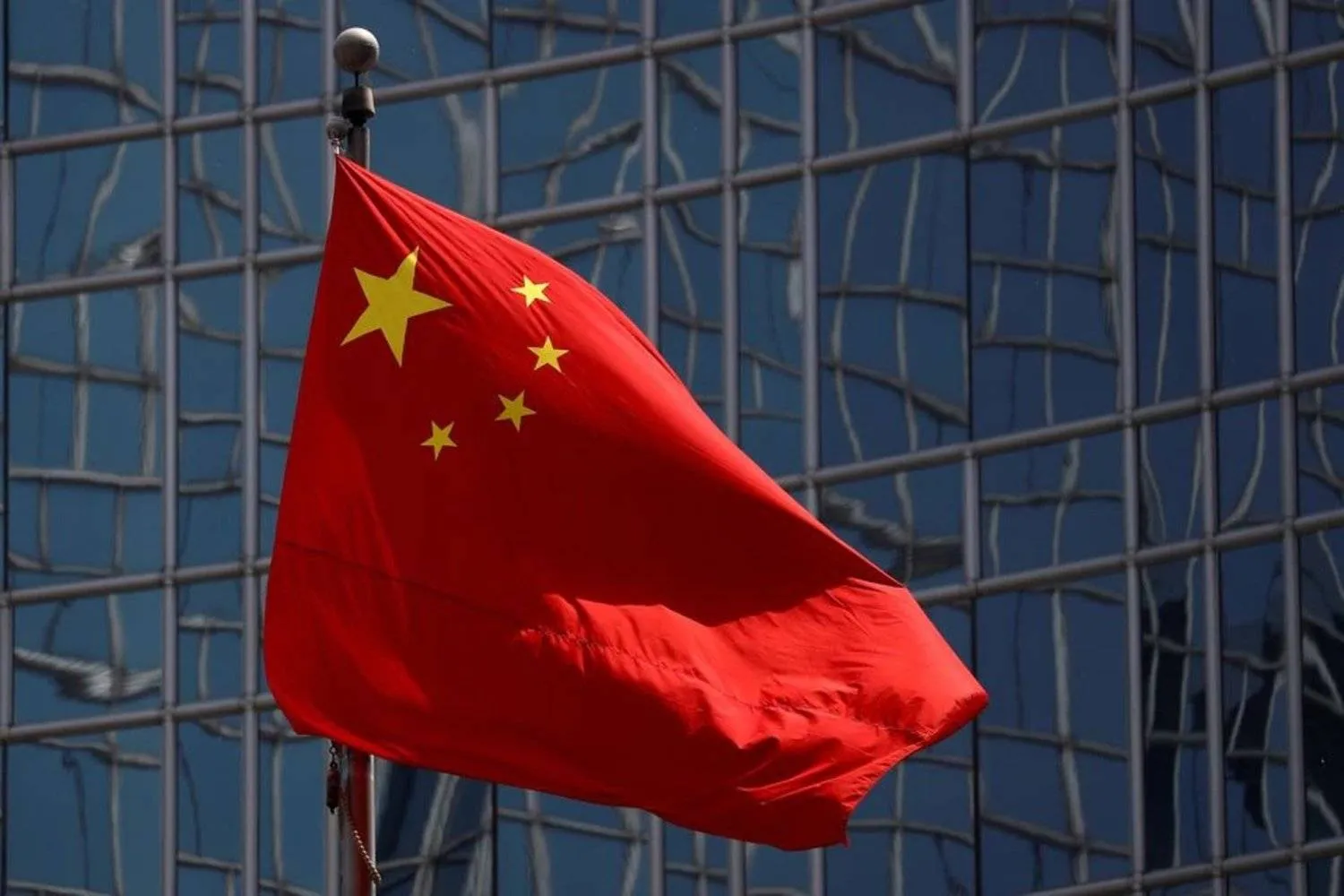
The Chinese national flag is seen in Beijing, China April 29, 2020. (Reuters)
TT

China to Resume 15-day Visa-free Entry for Singapore, Brunei Citizens

The Chinese national flag is seen in Beijing, China April 29, 2020. (Reuters)

China will resume 15-day visa-free entry for citizens of Singapore and Brunei from Wednesday, its embassies in the two countries said, more than three years after the visas were suspended to stop the spread of COVID-19.
Visa-free entry to China will be available for citizens of Singapore and Brunei with ordinary passports traveling for business, sightseeing, visiting relatives and friends, and in transit, the embassies said in notices on their websites, Reuters reported.
China lifted many of its zero-COVID measures in December but only began issuing tourist visas again in March.
China has also been seeking visa-free travel for its citizens to Singapore.



Pakistan Says It Launched Air Strikes on Afghanistan over Drone Attacks

FILE PHOTO: Afghan Taliban fighters patrol near the Afghanistan-Pakistan border in Spin Boldak, Kandahar Province, following exchanges of fire between Pakistani and Afghan forces in Afghanistan, October 15, 2025. REUTERS/Stringer/File Photo
TT

Pakistan Says It Launched Air Strikes on Afghanistan over Drone Attacks

FILE PHOTO: Afghan Taliban fighters patrol near the Afghanistan-Pakistan border in Spin Boldak, Kandahar Province, following exchanges of fire between Pakistani and Afghan forces in Afghanistan, October 15, 2025. REUTERS/Stringer/File Photo

Pakistan conducted airstrikes on 10 locations in Afghanistan that it said were being used to launch and store drones, some of which had been used against Pakistan a day earlier, Information Minister Attaullah Tarar said on Thursday.

The strikes come as tensions escalate between the allies-turned-foes, ‌who have long ‌been at odds over attacks by extremist militants, ⁠which also triggered ⁠their worst fighting in years in February.

Islamabad accuses Kabul of harboring militants who stage cross-border attacks, but Afghanistan's Taliban government denies harboring anti-Pakistani insurgents and says militancy is Pakistan's internal problem.

Pakistan's air defense systems detected drones launched from Afghan territory on Wednesday, which were tracked and neutralized before they could reach any of their ⁠intended targets, Tarar said in a post on X.

Pakistan ‌then conducted the "precision aerial and ‌drone strikes" on 10 locations, which were "limited to identified military objectives" linked ‌to the attempted attacks, he said.

"Any further provocative act ‌by Afghan Taliban will be responded with firm and resolute response," the minister said.

The Pakistani airstrikes were conducted in several areas of the southeastern Khost province, Mustaghfir Gurbaz, spokesperson for the Khost governor, said.

There were ‌no casualties, he said.

An attack on a police facility in northwestern Pakistan last week, which ⁠killed at ⁠least 24 people, has reignited fighting between the countries after nearly three months of relative calm.

Pakistan's government earlier this week also said it had launched airstrikes in the Afghanistan-Pakistan border region, killing 28 militants, while Afghan Taliban officials accused Islamabad of killing three civilians in overnight strikes on Afghan territory.

The worst single incident, however, occurred in March, when more than 400 people were killed in a Pakistani airstrike on Kabul, which the Afghan Taliban said hit a drug rehabilitation center.

Islamabad denied the charge, saying it "precisely targeted military installations and terrorist support infrastructure".


US Judge Orders White House to Restore Access to News Outlets Trump Banned

23 September 2026, US, Washington: US President Donald Trump arrives back at the White House aboard Marine One after travelling to Joint Base Andrews to welcome Chinese President Xi Jinping. Photo: Matt Kaminsky/ZUMA Press Wire/dpa
TT

US Judge Orders White House to Restore Access to News Outlets Trump Banned

23 September 2026, US, Washington: US President Donald Trump arrives back at the White House aboard Marine One after travelling to Joint Base Andrews to welcome Chinese President Xi Jinping. Photo: Matt Kaminsky/ZUMA Press Wire/dpa

A federal judge early Thursday temporarily blocked President Donald Trump’s move to ban three news outlets from the White House grounds and said CNN, MS NOW and Politico must have their access restored.

It's the latest development in an escalating showdown between President Donald Trump and media outlets whose coverage he dislikes. Trump announced he was banning the outlets Sept. 18, assailing what he called “fake news.” More recently, the president has said negative coverage was dangerous for the country.

The outlets argued they were singled out because of the content of their coverage — in other words, viewpoint discrimination — and called the ban a “blatant violation” of the First Amendment.

In an order posted shortly after midnight, US District Judge Timothy Kelly said the media outlets had met the legal thresholds needed to obtain a temporary restraining order, which include likelihoods of succeeding on the merits of the case and of suffering irreparable harm without an order.

“This is a high bar, but Plaintiffs have met it,” he wrote, according to The Associated Press.

US District Judge Timothy Kelly — who Trump nominated in 2017 and who ordered a CNN journalist’s access restored in a similar case in 2018 — heard arguments Wednesday and ended the hearing without ruling.

On Thursday, he issued a temporary restraining order that will be in effect for 14 days. Such orders are typically designed to preserve the status quo pending a closer review of the case by the court.

During the hearing, Kelly questioned whether the administration had met its legal responsibilities and provided CNN, MS NOW and Politico with adequate due process before banning them.

The rulings in two prior cases over press access, including one that went to the US Supreme Court, made it clear that journalists were entitled to an opportunity to be heard before they have their press passes revoked.

Justice Department attorney Michael Velchik argued that the rulings in the earlier cases were wrong.

The judge noted that his decision would be guided by prior rulings in comparable First Amendment cases, even if the government disagrees with them.


Trump Admin Says There Were 8 Suicide Attempts on US Aircraft Carrier

FILE PHOTO: Two F/A-18 Super Hornets launch from the flight deck of the US Navy Nimitz-class aircraft carrier USS Abraham Lincoln in support of the Operation Epic Fury attack on Iran from an undisclosed location March 3, 2026. US Navy/Handout via REUTERS
TT

Trump Admin Says There Were 8 Suicide Attempts on US Aircraft Carrier

FILE PHOTO: Two F/A-18 Super Hornets launch from the flight deck of the US Navy Nimitz-class aircraft carrier USS Abraham Lincoln in support of the Operation Epic Fury attack on Iran from an undisclosed location March 3, 2026. US Navy/Handout via REUTERS

The Trump administration has acknowledged eight suicide attempts by US service members during the extended deployment of an aircraft carrier to the Middle East, a US lawmaker revealed on Wednesday.

The information emerged in a letter, seen by AFP, that was sent by Acting Navy Secretary Hung Cao in response to questions from Democratic Senator Kirsten Gillibrand about conditions on the USS Abraham Lincoln.

Reports of deteriorating living conditions and poor mental health on board the carrier since it first deployed to sea last November made headlines in the United States, provoking criticism of President Donald Trump's war against Iran.

"Since the beginning of Lincoln's deployment, there have been a total of eight suicide attempts across the strike group," said the letter from the navy secretary, the service's top civilian official.

"There have been no suicides onboard during this deployment," the letter added.

The letter provided additional details on the suicide attempts, saying a sailor assigned to an air wing "went overboard from the ship in early August" and was quickly recovered by a search and rescue helicopter, then taken off ship for follow-up care.

Another sailor "attempted to go overboard in March and was stopped by his shipmates" and returned to homeport.

The Lincoln left California in November 2025 for duty in the South China Sea and was rerouted to the Middle East before US-Israeli attacks on Iran that began in late February 2026. It finally made a stopover in Thailand in early September after 286 days at sea.

In August, military families and lawmakers raised the alarm about reported suicide attempts and other serious mental health issues, food shortages and poor hygiene.

Those claims were dismissed by Trump at the time. US Defense Secretary Pete Hegseth had also insisted that the situation on the carrier had been "misrepresented."