



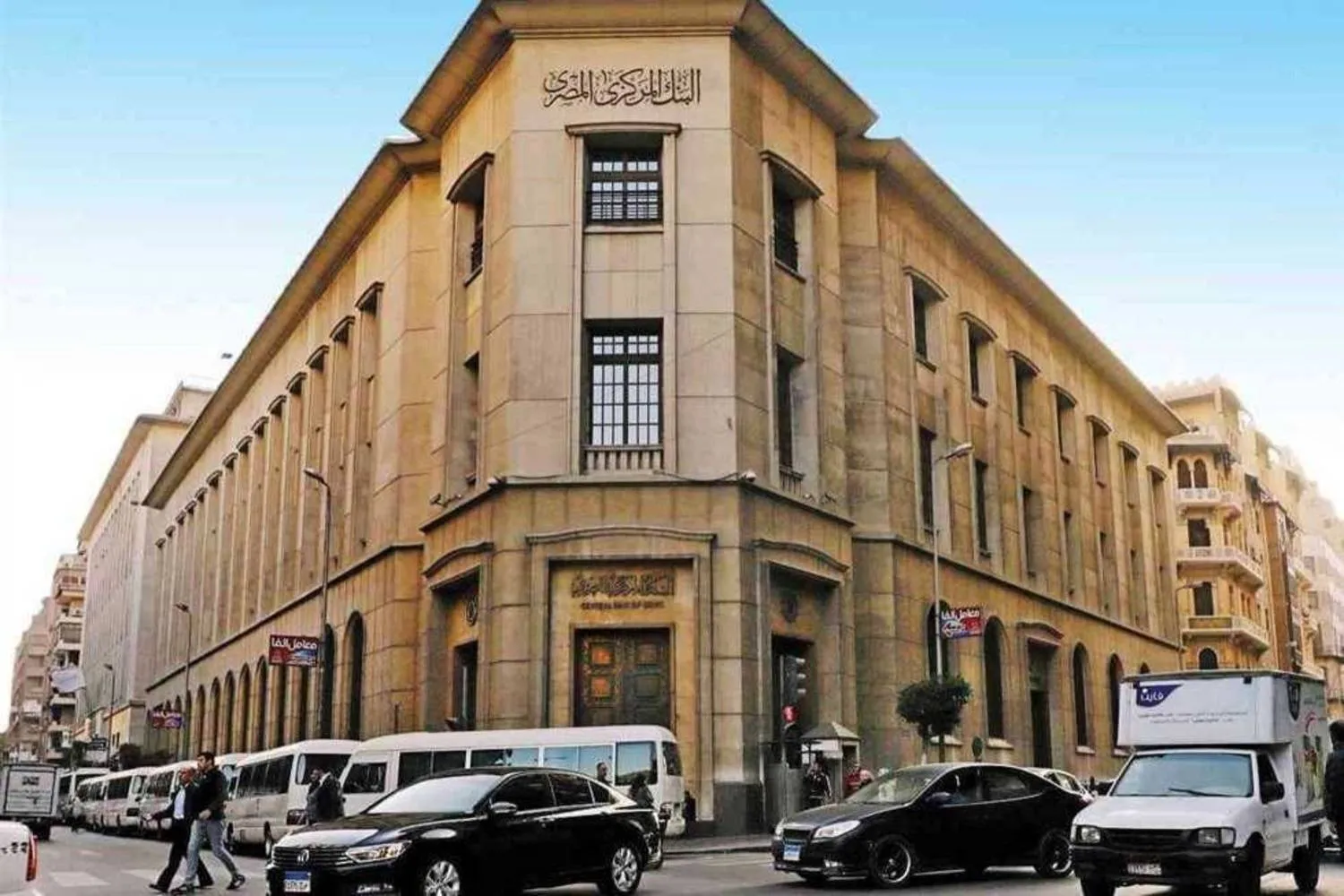

Egypt's net foreign assets deficit narrowed by $808 million in July to a negative $26.2 billion, its first decline since March, revealed the central bank.
Over the past three years, public finances in Egypt have been subjected to tremendous pressure, given a persistent shortage of foreign currency and sharp increase in the money supply.
The central bank has fixed the official exchange rate for the Egyptian pound at about 30.90 against the dollar since early March. It has risen 15-20 percent in the parallel market.
Net foreign assets rise and fall when banks increase or decrease their borrowing from abroad. Almost all the July improvement was due to increased net foreign assets at commercial banks.
Egypt's official foreign currency reserves have been rising in small increments since October 2022, and the cash reserve for August is expected to be announced before the end of this week.
In September 2021, before the decline began, net foreign assets recorded a positive $8 billion.
Egypt's M1 money supply, which includes currency in circulation and local currency demand deposits, recorded an annual increase of 33.1 percent to the end of July, down from a yearly rise of 33.4 percent in June.
M2 money supply, which includes local currency time, savings, and foreign currency deposits in addition to the M1 money supply, rose 24.4 percent year-on-year in June.
Analysts say the significant acceleration in increasing the money supply risks fueling inflation in Egypt, which reached its highest levels in July, recording 36.5 percent.
It further puts additional pressure on the currency, which has fallen by half its value against the dollar over the past 18 months.
Bankers and analysts said the money supply growth was used to fill widening budget deficits.
Meanwhile, the Egyptian Orascom Construction Company announced Sunday that its consortium with Thales has signed a contract with Egyptian National Railways (ENR) to modernize and upgrade Egypt's Cairo-Beni Suef railway line.
The project is part of a program that the World Bank funds and is worth $366 million.
The consortium will modernize the signaling system and tracks across approximately 125 km, in addition to the complete modernization of the electronic interlocking system at the stations. The upgrades will result in increased speeds while improving safety and efficiency.


