


RCRC Shares Kingdom’s World Expo Vision with UNESCO World Heritage Committee

The logo of the Royal Commission for Riyadh City (RCRC)
TT

RCRC Shares Kingdom’s World Expo Vision with UNESCO World Heritage Committee

The logo of the Royal Commission for Riyadh City (RCRC)

Saudi Arabia’s Royal Commission for Riyadh City (RCRC) has held a reception for members of the UN Educational, Scientific, and Cultural Organization (UNESCO) World Heritage Committee and briefed them on the Kingdom’s bid to host World Expo 2030 in the capital Riyadh.

“Riyadh Expo 2030 is part of the Kingdom’s endeavor to enable all countries to make an impact on the international scale, with the aim of creating a bright future for the planet under the theme ‘Together for a Foresighted Tomorrow’,” said Eng. Abdulaziz Alghannam, the Technical Director of the Riyadh Expo 2030 bid, at the reception on Friday.

“The three sub-themes of Riyadh Expo 2030 represent the Kingdom’s vision to present the most impactful World Expo ever, collaborating for a better future, where ‘Prosperity for All’ seeks to achieve a prosperous and a peaceful planet in which science and innovation are accessible to all. Also, ‘Climate Action’ promotes creative solutions to climate change by uniting international efforts, and ‘A Different Tomorrow’ seeks to harness science, innovations, and technologies to develop new tools for individuals and societies,” he said.

Alghannam added: “Inspired by Saudi Vision 2030, Riyadh Expo 2030 pays great attention to the Kingdom’s civilization, rich heritage, ancient traditions, and cultural treasures, which we would be proud to showcase to the Riyadh Expo 2030 visitors through immersive experiences.”

He stressed that the capital city is fully prepared to host this international exhibition and present the most impactful and unprecedented edition in the history of World Expo.

The members of the UNESCO World Heritage Committee were briefed about the Kingdom's ambitious goals for Riyadh Expo 2030 and the major ongoing development projects which will be ready by 2030.

They were also briefed on Riyadh Expo 2030’s sustainability plans, including clean energy, high standards of resource efficiencies and detailed strategies to enhance and conserve biodiversity, eliminate food wastage, and green waste management and recycling.

The reception by RCRC was held on the sidelines of the Kingdom’s hosting of the meeting of the World Heritage Committee in Riyadh from September 10 to 25, in its capacity as the current chair of the UNESCO World Heritage Committee.
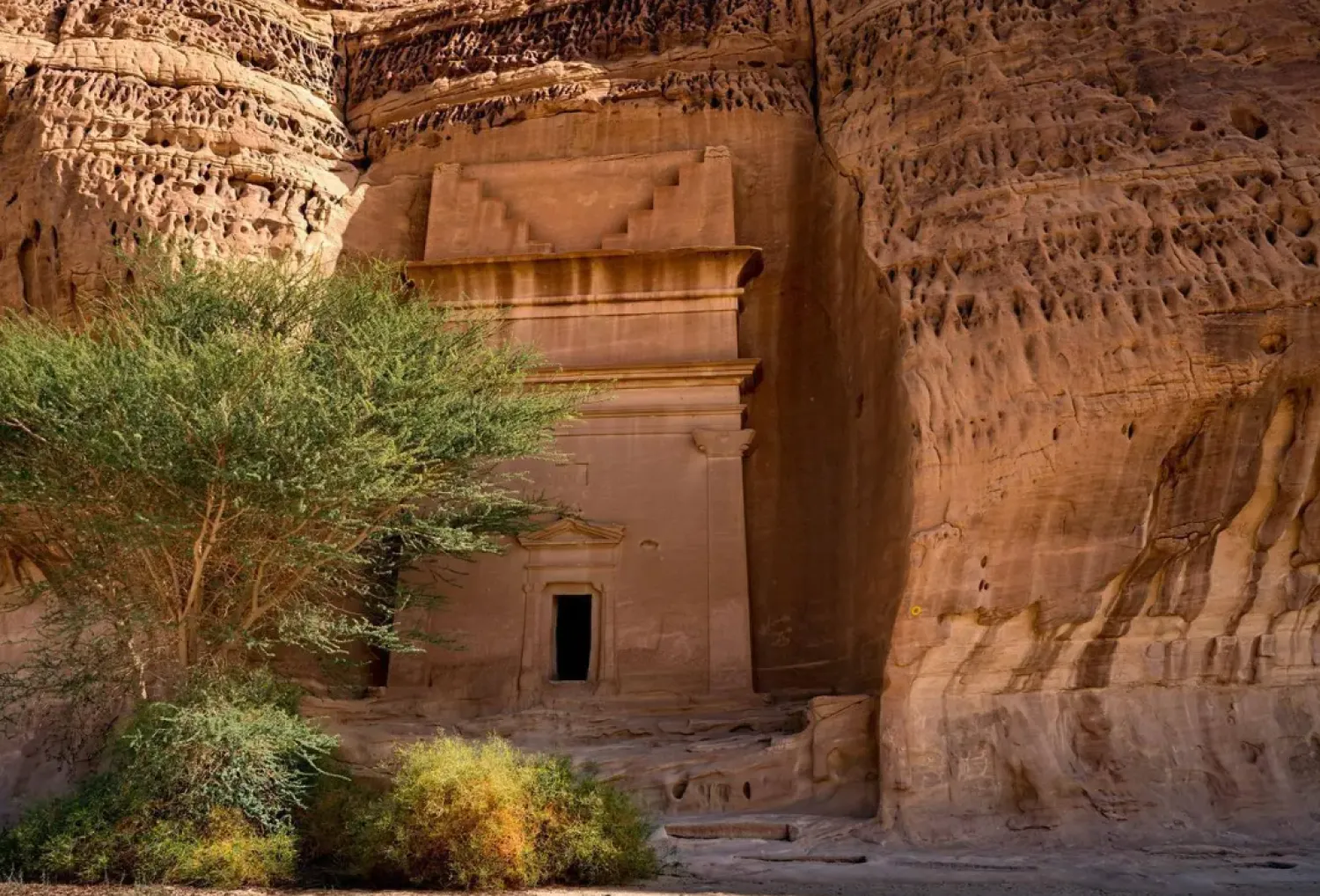
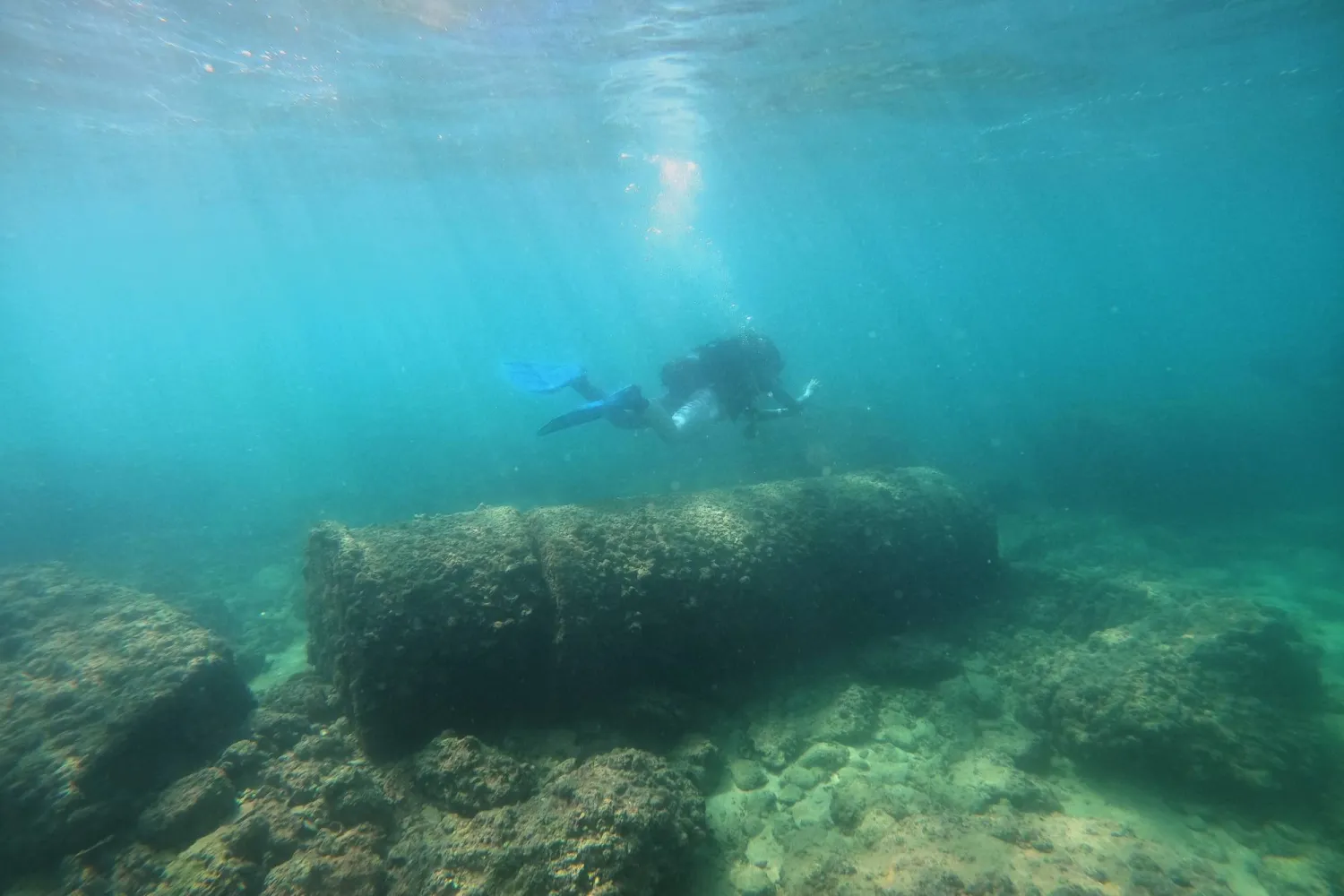
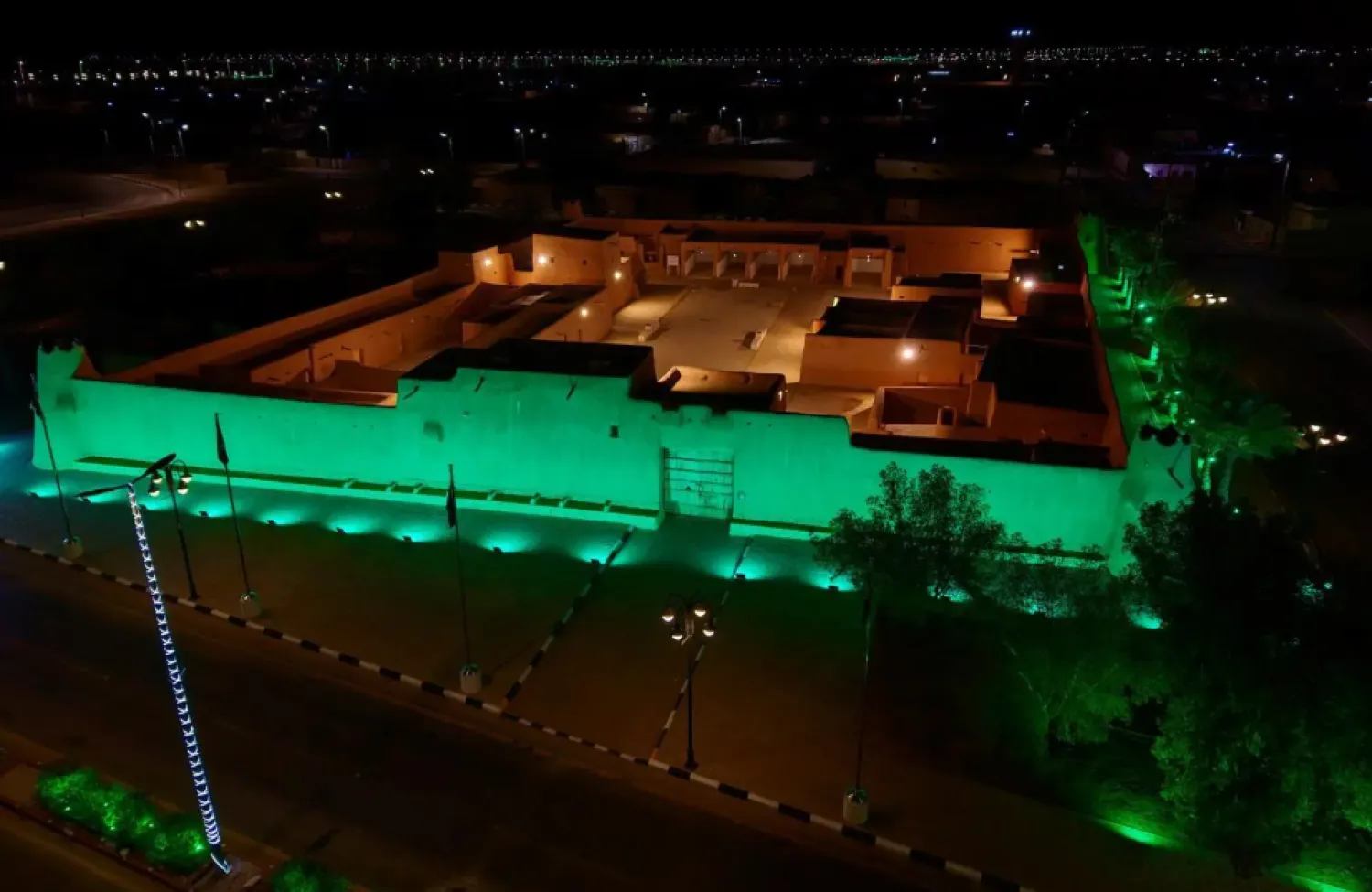

Saudi Heritage Commission Uncovers Over 1,700 Artifacts at Ancient Al-Juhfah Miqat Site

Discoveries included diverse fragments used in daily life, six pottery kilns, a water channel - SPA
TT

Saudi Heritage Commission Uncovers Over 1,700 Artifacts at Ancient Al-Juhfah Miqat Site

Discoveries included diverse fragments used in daily life, six pottery kilns, a water channel - SPA

Saudi Arabia's Heritage Commission completed the first season of its joint scientific mission with the University of Exeter at the ancient Al-Juhfah Miqat site, uncovering more than 1,700 artifacts, including pottery, glass, stone pieces, shells, and worked objects, confirming the site's significance along the Egyptian pilgrimage route.

Discoveries included diverse fragments used in daily life, six pottery kilns, a water channel believed to have served pilgrims and travelers, and 13 tombstones dating to the Umayyad and Abbasid periods. Some finds originated from the Levant, Egypt, and Ethiopia, reflecting the diverse origins of pilgrims who passed through this miqat, SPA reported.

Al-Juhfah Miqat is located 187 kilometers northwest of Makkah and has been an established miqat since the early Islamic period, associated with the Prophet's migration, and is known to have flourished in the second Hijri century, with water facilities and shops serving pilgrims.

These works are part of the Heritage Commission's efforts to survey and document archaeological sites along the Hijrah route between Makkah and Madinah, using advanced technologies to reveal the historical and civilizational depth of the Kingdom.


Makkah Museum Displays Rare Quran Manuscript Dating Back to 1843

The manuscript is distinguished by its precise script written in black ink with full diacritical marks - SPA
TT

Makkah Museum Displays Rare Quran Manuscript Dating Back to 1843

The manuscript is distinguished by its precise script written in black ink with full diacritical marks - SPA

The Holy Quran Museum in the Hira Cultural District in Makkah showcases a collection of rare Quranic artifacts and collectibles that document Muslims’ care for the Holy Quran throughout the ages. Among the most notable exhibits is a rare Quran dating back to 1259 AH, corresponding to 1843 AD, which stands as a historical testament to the beauty of Quranic manuscript writing and ornamentation.

The manuscript is distinguished by its precise script written in black ink with full diacritical marks. Its pages are adorned with gilded borders, golden verse separators, and intricate floral decorations that highlight the advanced craftsmanship achieved in the gilding and embellishment of Quran manuscripts during that historical period, SPA reported.

Information accompanying the artifact indicates that the Quran later underwent restoration and rebinding to protect it from deterioration. This step helped preserve this rare Quranic treasure and maintain it as a witness to a cultural and civilizational legacy spanning more than a century and a half.

The display of this Quran is part of the educational and cultural content presented by the Holy Quran Museum, which enables visitors and pilgrims to explore diverse examples of historical Qurans and rare manuscripts and to learn about the various stages of writing, copying, and decorating Quranic manuscripts across different Islamic eras.

The museum serves as a prominent cultural and educational destination in Makkah, highlighting the historical efforts of Muslims in serving and preserving the Holy Quran. It also promotes awareness of the value of Islamic heritage associated with the Holy Quran through modern museum displays and interactive educational experiences that enrich visitors’ experiences and enhance their connection with the history of the Holy Quran.


Nigerian Museum Revamp Brings Treasures within Reach

Tinuke Odunfa, the interior designer of the gallery, aimed to modernize the space and present Nigerian history in an an 'immersive' environment. OLYMPIA DE MAISMONT / AFP
TT

Nigerian Museum Revamp Brings Treasures within Reach

Tinuke Odunfa, the interior designer of the gallery, aimed to modernize the space and present Nigerian history in an an 'immersive' environment. OLYMPIA DE MAISMONT / AFP

Gazing at two large engraved 16th-century elephant tusks on display at Nigeria's National Museum Lagos, a guide surprised visitors by telling them: "You can touch them gently".

One of the three galleries at the museum in Nigeria's cultural and entertainment hub has been remodeled to allow visitors to interact with some artefacts, reversing the typical ban on touching exhibits, as well as take unrestricted photographs in an effort to engage younger audiences, curator Nkechi Adedeji told AFP.

As the group felt the texture of the elephant tusks to the tune of Afrobeats softly playing on overhead speakers, a young photographer was busy snapping away, likely for a social media post.

According to Tinuke Odunfa, the interior designer of the gallery, the plan was to modernize the space and present Nigerian history in an "intentional" and "immersive" environment.

"Everything was intentional in terms of how the space should be experienced, in terms of the colors, how the space leads you," Odunfa told AFP.

The gallery holds one of the country's most extensive collections, including major archaeological and ethnographic artefacts such as 5th-century terracotta by indigenous Nok people.

Its white walls are lined with artefacts encased in glass, arranged chronologically from the oldest to the newest, each accompanied by brief notes.

A few other items of the permanent exhibition, "Echoes of the Past", especially those made of wood and metal, are laid out in such a way that visitors can touch and "feel them", the museum's head of exhibition Olusegun Adeleye, 51, said.

Low ambient lighting casts a soft glow across the gallery, giving the space a quiet, reflective atmosphere.

Lagos, the vibrant mega city of more than 20 million people, and often described as Nigeria's melting pot, inspired Odunfa's design.

- 'Coming in droves' -

Since the renovated gallery opened to the public in April, it has been drawing more visitors than before, Adedeji said, without giving figures.

Its Instagram-ready spaces are drawing more schoolchildren and young adults, with pictures and videos increasingly shared online, making it a popular destination among "content creators".

"They come here, do content and before you know it, it is all over the place," Adedeji said. "Youths are coming in droves now".

"I love the way the artefacts are displayed," Oyin Isioye, a 25-year-old photographer, visiting the museum for the first time, told AFP. "I learned a lot of things... where the artefacts are from, what they represent."

- Repatriation calls -

In one corner of the gallery, three empty cases contain a sheet of paper bearing the inscription "British museum, how far??" (meaning "what's up?" in Nigerian Pidgin).

The installation sends a message to foreign museums that Nigeria is ready to pursue the repatriation of its looted artefacts.

Western museums, including those in Britain, the Netherlands and Germany, have in recent years returned several hundred artefacts, but countless more remain in galleries in Europe and America.

"This renovation shows that we can protect and preserve our objects ourselves, we do not need any other country to do it for us," said Adedeji.

The remodeling, funded by a private entity, also aimed at creating more display areas for the collection, the bulk of which are kept in storage.

More projects are in the works. Another gallery at the Lagos museum has been shut for renovation, along with other sites nationwide.

And Nigerian authorities are seeking partners to support future upgrades in preparation for more repatriated artefacts.