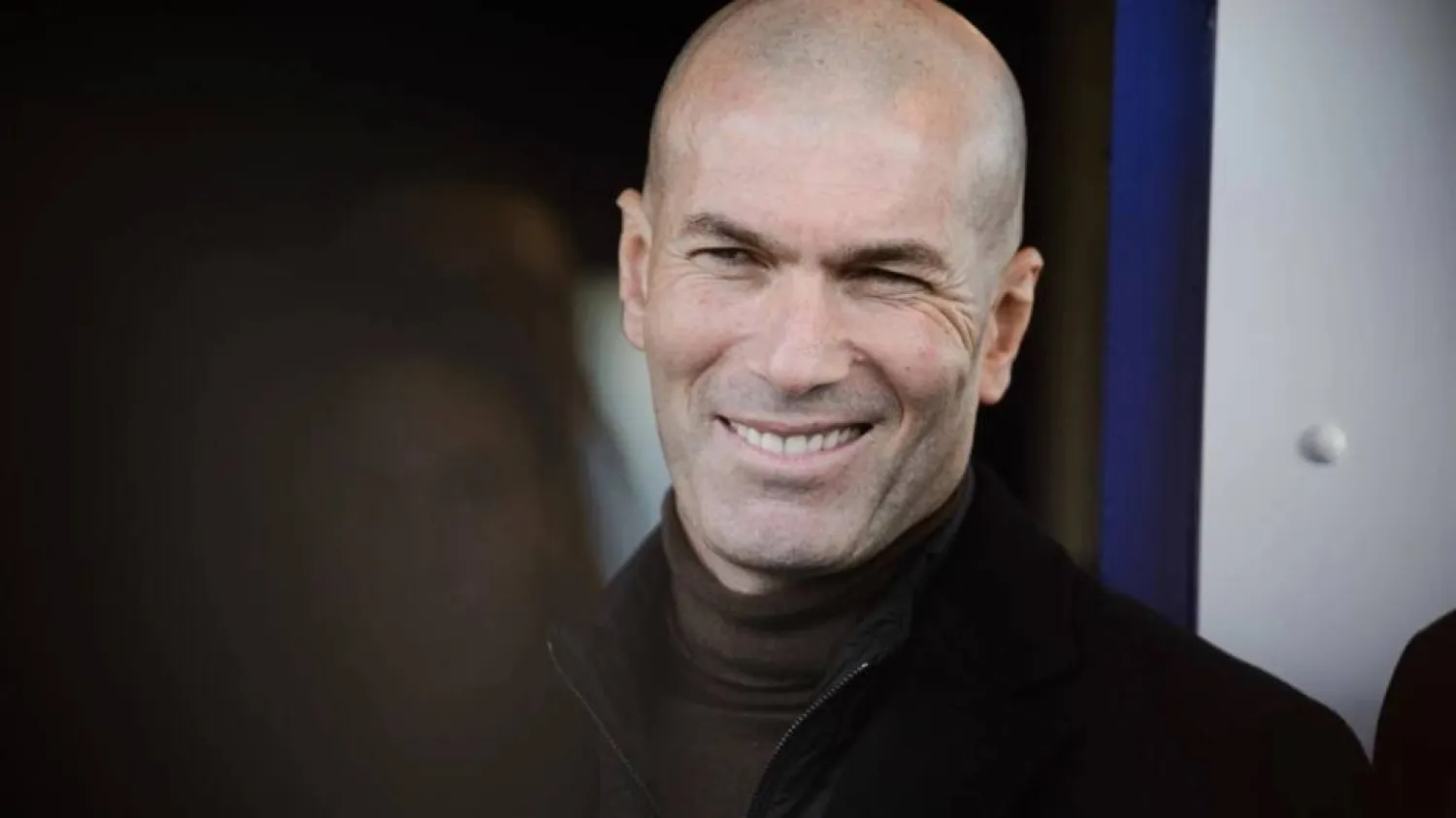
Prince Harry warned Wednesday at the Clinton Global Initiative that artificial intelligence chatbots designed to provide companionship are even more dangerous to young people than social media.
“The technology is more persuasive, more intimate, and more powerful,” the Duke of Sussex said. “AI is learning how to enter our relationships. It doesn’t just want your attention, it wants your attachment.”
Harry's presentation was part of CGI's focus on finding ways to support women and children at a time when funding for their well-being is being cut by several nations.
Former Secretary of State Hillary Clinton told The Associated Press in an interview that they are issues that need to be addressed even more urgently this year because of the cuts.
“What’s happening now under the guise of both stamping out diversity, equity, and inclusion, but also in the name of ‘efficiency,’ like we saw with DOGE when they destroyed government agencies, has our country back in so many ways,” she said.
Clinton said that it has only been in the last year or two that menopause has seen increased attention. “We have begun to make progress because I remember when I was first lady meeting with a group of women senators who told me that the early trials on breast cancer were done on men,” she said. “If you’re gonna do research on women’s health, guess what? You need to research women.”
She said CGI commitments like Tuesday's announcement of a $100 million venture fund by the Breast Cancer Research Foundation to speed potential therapies to patients show how nonprofits are stepping up to the current challenging environment.
“We don’t have time to waste because as you probably know cancer is striking earlier and earlier,” she said. “We feel really strongly about doing the accurate research to actually solve men and women’s problems and to get politics out of science, to get politics out of research.”
Harry's nonprofit faces ‘uphill battle’ working against social media
In 2024, Harry sounded the alarm at CGI about how social media has contributed to an “epidemic” of anxiety, depression and social isolation among today’s youth. Harry and his wife, Meghan, announced the founding of The Parents Network, through their Archewell Foundation.
Harry said that The Parents Network had made progress, but that technological developments had made an already “uphill battle” more difficult.
“There are major signals that families, young people, experts and advocates have finally shaken institutions awake to the reality that this technology can cause harm,” Harry said. “But bans, settlements and payouts are incomplete remedies.”
Last month Meta agreed to pay up to $18 billion and add stronger child-safety measures to its Facebook and Instagram platforms as part of a landmark legal settlement that ended a trial over teen social media addiction and settled claims filed by nearly every state.
The settlement resolved a pivotal case years in the making that sought to hold the tech giant accountable for the role its platforms played in undermining children’s mental health. The effort targeted features designed to hook young people’s attention.
Wednesday marked Prince Harry's first public appearance in the United States since he and his family returned to England in August for an extended stay.
Clinton also discussed the potential dangers of AI at the conference, adding that addressing risk through international agreements is something that President Donald Trump and Chinese President Xi Jinping should discuss this week.
Economic and tech competition is only escalating between the US and China, especially through an artificial intelligence race. Neither expects any grand bargain, but the leaders are expected to play nice in their third meeting since Trump returned to the White House. Still, developing AI technology has emerged as a key battleground, with both sides showing little interest in slowing down despite warnings from tech CEOs about threats that rogue AI could pose to humanity.
Speaking at CGI, LinkedIn co-founder Reid Hoffman said he believes a proposed kill switch, which would require developers to have the capacity to shut down their systems if needed, is a good idea.
“It’s not a natural thing for a company to put in, so it’s a good intervention,” he said.
War Child Alliance announces $100 million plan to improve children's mental health
At CGI on Wednesday, War Child Alliance announced its new $100 million initiative, “Childhood Beyond Conflict,” a commitment to improve the mental health of 10 million children in conflict zones over the next decade.
Laura Miller, War Child's CEO, said that more than 520 million children are currently affected by conflict. The new initiative, she said, is the nonprofit's attempt to build a coalition around children's mental health, expanding the global footprint of its programs to help educate and support young people.
Academy Award-nominated actress Carey Mulligan, who serves as global ambassador for the War Child Alliance, told The Associated Press in an interview that the organization is trying to reverse a shift around the world that the physical survival of a child in a conflict zone was an adequate outcome.
“A child who is traumatized, illiterate, and wounded from an experience in conflict really has their hands tied behind their back for the rest of their lives in terms of rebuilding any kind of real, dignified future for themselves," Mulligan said. “Children deserve more than physical survival. A child who goes through a conflict has the right to proper psychosocial support.”
Mulligan said that the $100 million announcement was special because it can actually solve a problem, despite the issue of a global lack of empathy.
“We are coming to say, ‘Guess what, guys, you don’t need to feel overwhelmed because we’ve got these amazing evidence-based methodologies that have been rigorously, scientifically tested,’” she said. “We know that they work and they improve outcomes for children who’ve been affected by conflict.”