

The European Union agreed a deal on Thursday to slash the use of super-potent greenhouse gasses in fridges and air conditioners, part of the EU's broader plans to cut CO2 emissions and protect the environment.
Negotiators from EU countries and lawmakers reached a deal on the law, under which the EU will completely phase out the use of hydrofluorocarbons (HFC) by 2050, Reuters said.
"Such substances have highly negative impacts on the health of our planet and must be phased down. The agreement is an important step in our common goal to fight climate change," said Spanish climate minister Teresa Ribera.
Talks on how to cut Europe's use of fluorinated gasses (f-gasses) - man-made gasses used as refrigerants in heat pumps and fridges as well as aerosols and foams - had started earlier this year.
The deal will gradually ban sales of products containing f-gasses, with different timelines for different products; a full f-gas ban on split air conditioning and heat pumps will apply from 2035, for example.
"F-gasses are relatively unknown, but have a huge climate impact. With today's agreement we ensure that we quickly get rid of these super greenhouse gasses," said Dutch lawmaker Bas Eickhout, the EU Parliament's lead negotiator on the law.
The law still needs formal approval from a majority of EU lawmakers and countries, but that step is usually a formality on pre-agreed deals.


EU Strikes Deal to Reduce Super-potent Greenhouse Gasses
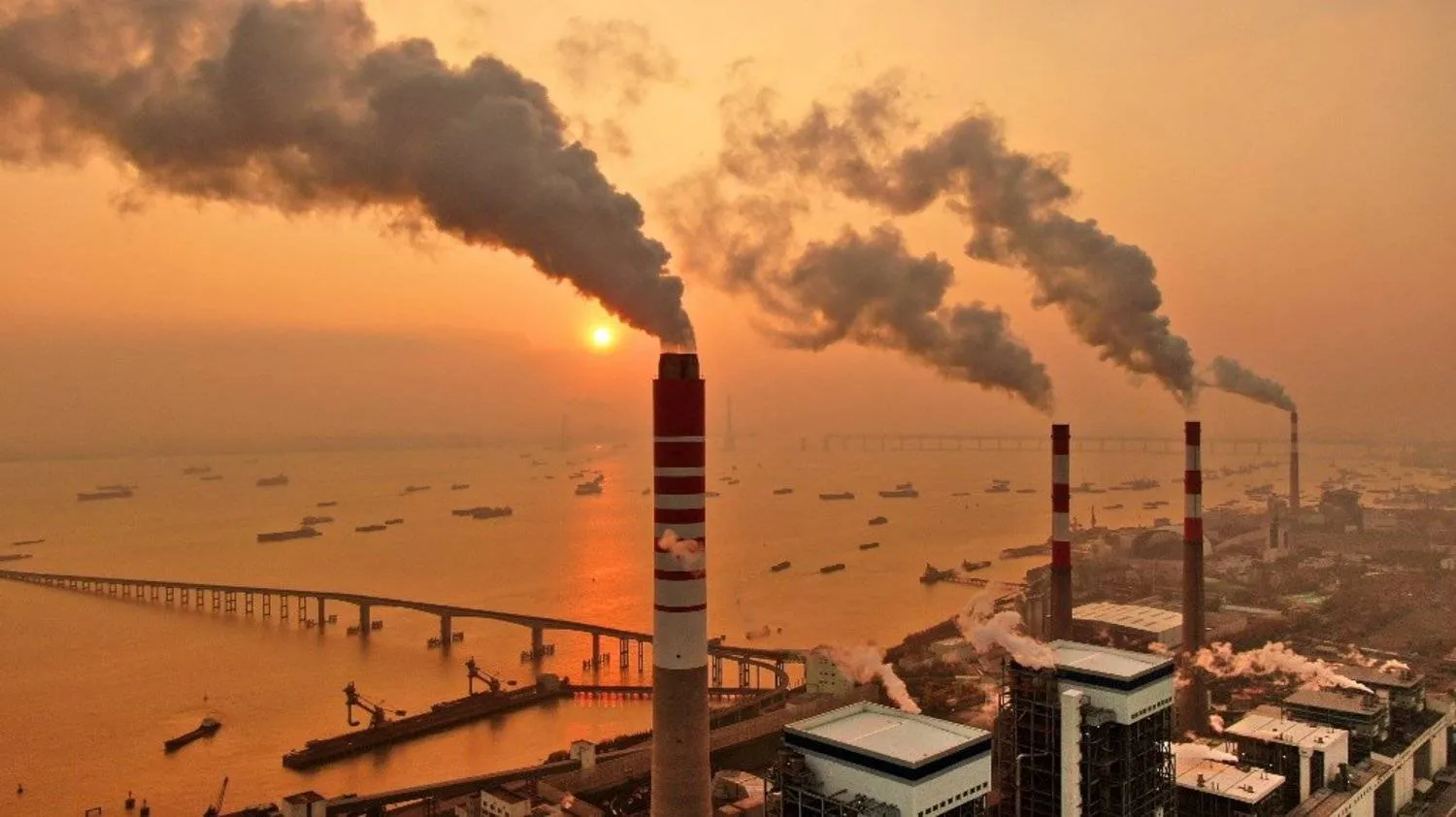
Big cities in China are among the top urban emitters of greenhouse gases, a new global study has found. File photo of a coal power plant in Jiangsu by AFP.

EU Strikes Deal to Reduce Super-potent Greenhouse Gasses
Big cities in China are among the top urban emitters of greenhouse gases, a new global study has found. File photo of a coal power plant in Jiangsu by AFP.



لم تشترك بعد
انشئ حساباً خاصاً بك لتحصل على أخبار مخصصة لك ولتتمتع بخاصية حفظ المقالات وتتلقى نشراتنا البريدية المتنوعة
