


American Tourist Arrested for Smashing Ancient Roman Statues at Museum in Israel

This image released by Israel Police shows two ancient Roman statues toppled at the Israel Museum in Jerusalem, Thursday, Oct. 5, 2023. (Israel Police via AP)
TT

American Tourist Arrested for Smashing Ancient Roman Statues at Museum in Israel

This image released by Israel Police shows two ancient Roman statues toppled at the Israel Museum in Jerusalem, Thursday, Oct. 5, 2023. (Israel Police via AP)

Israeli police have arrested an American tourist at the Israel Museum in Jerusalem after he hurled works of art to the floor, defacing two second-century Roman statues.

The vandalism late Thursday raised questions about the safety of Israel's priceless collections and stirred concern about a rise in attacks on cultural heritage in Jerusalem.

Police identified the suspect as a radical 40-year-old Jewish American tourist and said initial questioning suggested he smashed the statues because he considered them “to be idolatrous and contrary to the Torah.”

The man's lawyer, Nick Kaufman, denied that he had acted out of religious fanaticism.

Instead, Kaufman said, the tourist was suffering from a mental disorder that psychiatrists have labeled the Jerusalem syndrome. The condition — a form of disorientation believed to be induced by the religious magnetism of the city, which is sacred to Christians, Jews and Muslims — is said to cause foreign pilgrims to believe they are figures from the Bible.

The defendant has been ordered to undergo a psychiatric evaluation. Officials did not release his name due to a gag order.

With religious passions burning and tensions simmering during the Jewish holiday season, spitting and other assaults on Christian worshippers by radical ultra-Orthodox Jews have been on the rise, unnerving tourists, outraging local Christians and sparking widespread condemnation. The Jewish holiday of Sukkot, the harvest festival, ends Friday at sundown.

The prominent Israel Museum, with its exhibits of archaeology, fine arts, and Jewish art and life, described Thursday's vandalism as a “troubling and unusual event,” and said it “condemns all forms of violence and hopes such incidents will not recur.”

Museum photos showed the marble head of the goddess Athena knocked off its pedestal onto the floor and a statue of a pagan deity shattered into fragments. The damaged statues were being restored, museum staff said. The museum declined to offer the value of the statues or cost of destruction.

The Israeli government expressed alarm over the defacement, which officials also attributed to Jewish iconoclasm in obedience to early prohibitions against idolatry.

“This is a shocking case of the destruction of cultural values,” said Eli Escusido, director of the Israel Antiquities Authority. “We see with concern the fact that cultural values are being destroyed by religiously motivated extremists.”

The vandalism appeared to be the latest in a spate of attacks by Jews against historical objects in Jerusalem. In February, a Jewish American tourist damaged a statue of Jesus at a Christian pilgrimage site in the Old City, and in January, Jewish teenagers defaced historical Christian tombstones at a prominent Jerusalem cemetery.

On Friday morning, about 16 hours after the defacement at the museum, the doors opened to the public at the regularly scheduled time.


Saudi Arabia: King Abdulaziz Library to Launch 26th Free Reading Festival

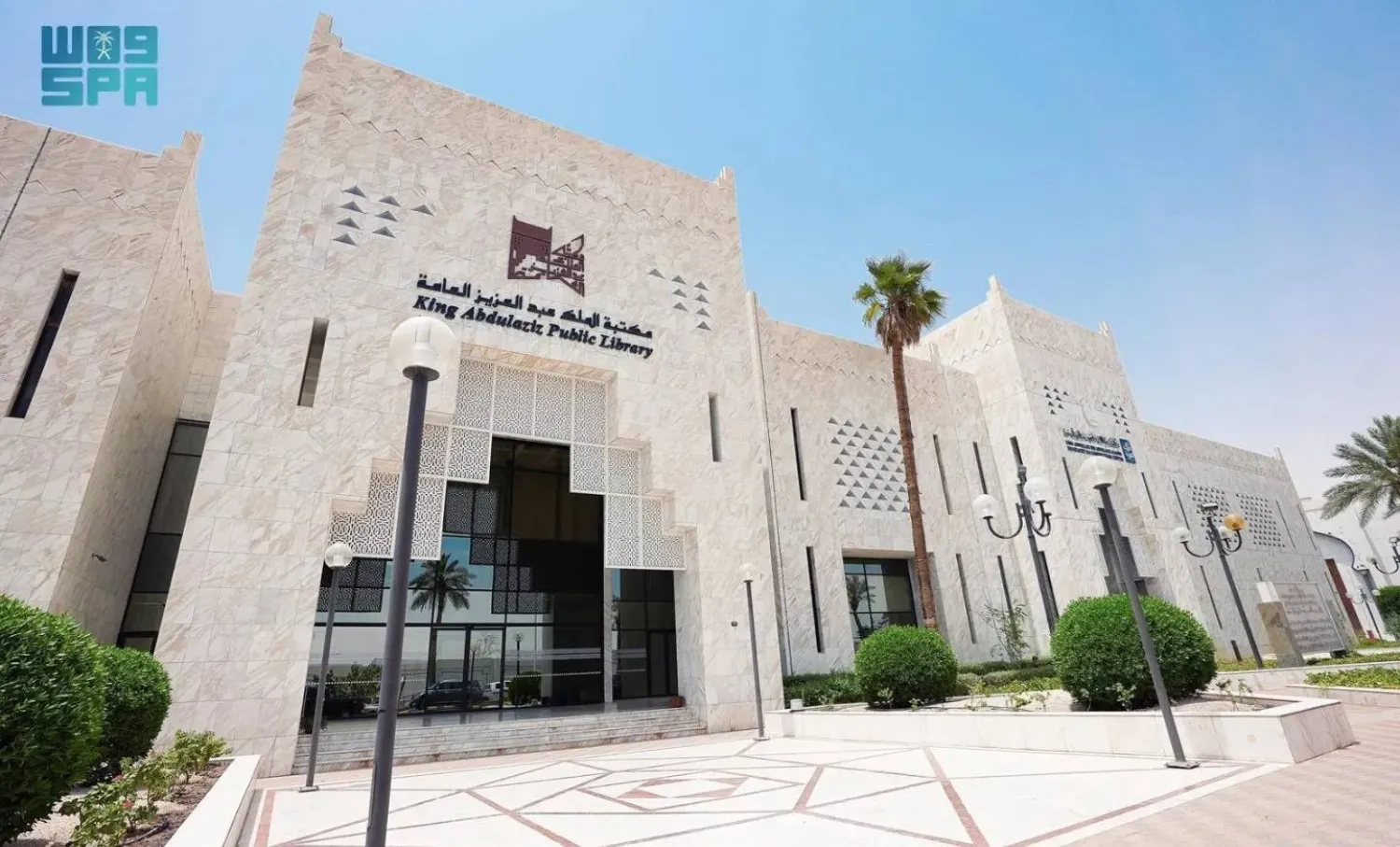
The King Abdulaziz Public Library. SPA
TT

Saudi Arabia: King Abdulaziz Library to Launch 26th Free Reading Festival

The King Abdulaziz Public Library. SPA

The King Abdulaziz Public Library, in cooperation with the Riyadh Education Department, will launch its 26th annual Free Reading Festival for public school students on Sunday.

Running from May 10 to 14 in Riyadh, the festival will bring together more than 100 schools, over 1,550 students, and a number of educators and teachers.

It aims to foster a love of reading and learning, expand students’ literary, scientific, and cultural horizons, and encourage teachers to promote independent reading. It will also provide a platform to showcase student talents and strengthen Arabic language skills.

Through initiatives like this festival, the King Abdulaziz Public Library promotes reading through diverse programs and a wide range of books that foster pride in the Kingdom’s heritage.


Qassim's Monday Market Retains Heritage Role as Economic and Cultural Hub

The Monday market in the governorate of Uyun Al-Jiwa. (SPA)
TT

Qassim's Monday Market Retains Heritage Role as Economic and Cultural Hub

The Monday market in the governorate of Uyun Al-Jiwa. (SPA)

The Monday market in the governorate of Uyun Al-Jiwa, north of Qassim Region, stands as one of the oldest traditional weekly markets, enduring through changing times while maintaining its role as a vibrant economic and cultural hub.

The market draws a growing number of visitors from across Qassim and beyond, supported by the governorate’s strategic location.

During a field tour, the Saudi Press Agency observed lively activity throughout the market, with stalls displaying a diverse range of products. These include agricultural goods such as almonds and dried figs; animal products like ghee and milk, for which the region is renowned; as well as handicrafts and natural items such as henna and sidr.

Visitors noted that the market has retained its authentic character, continuing to serve as a vital source of income for small vendors and families working in the cottage industry, reinforcing its role as a key platform for preserving traditional culture while supporting the local rural economy.


Heritage Commission Revives Al-Nasb Heritage District as Abha Cultural Tourism Destination

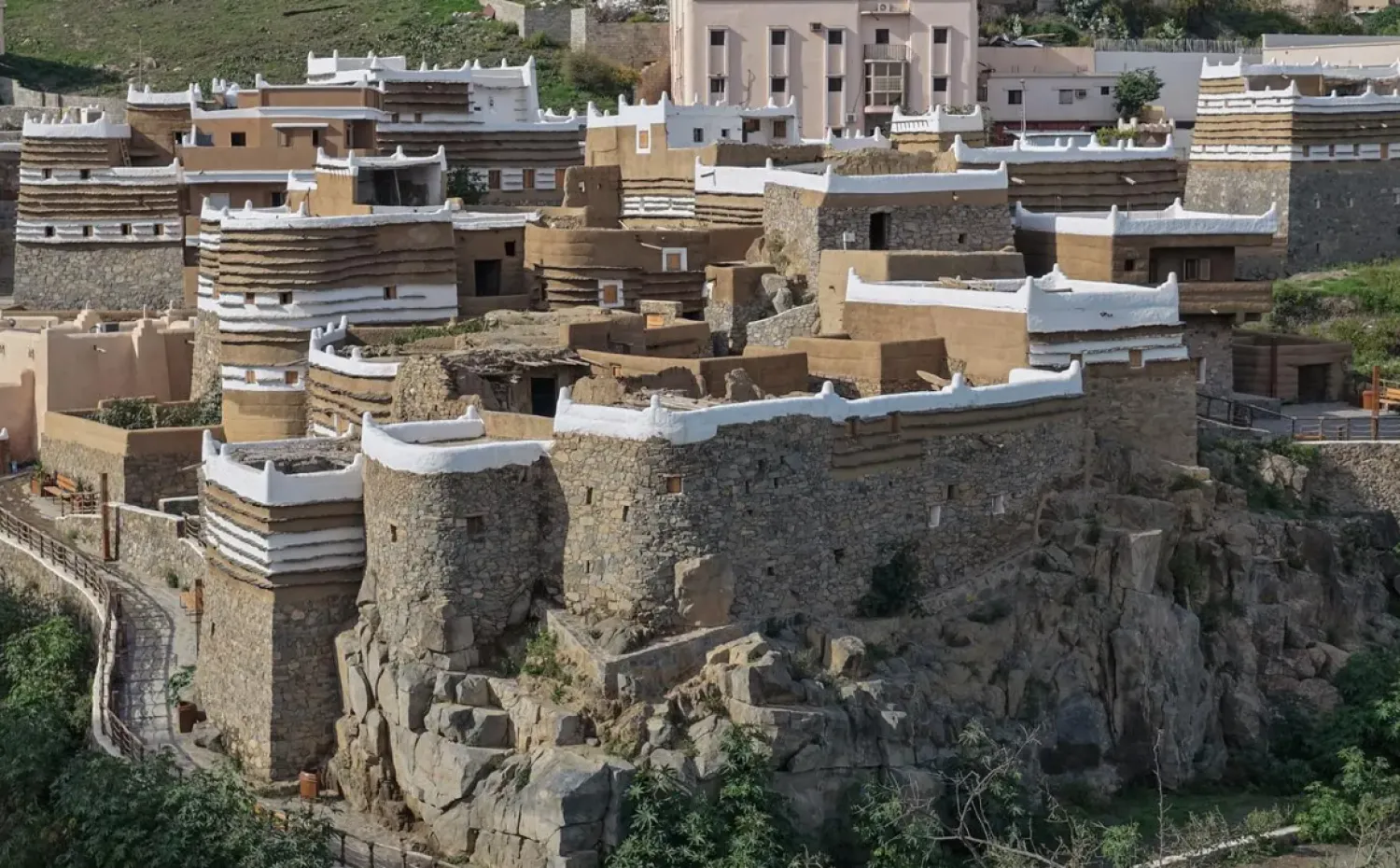
The district’s significance lies in its unique architectural composition - SPA
TT

Heritage Commission Revives Al-Nasb Heritage District as Abha Cultural Tourism Destination

The district’s significance lies in its unique architectural composition - SPA

Al-Nasb Heritage District in Abha is one of the most prominent living examples of traditional architecture in Aseer Region, preserving its long history and architectural details that embody people’s connection to their local environment and document the social and cultural patterns that have shaped the identity of the place across generations.

The district’s significance lies in its unique architectural composition, where mud and stone buildings stand side by side in visual harmony. They were built using local materials such as stone, clay, and juniper trunks, while the narrow alleyways and closely set buildings give the district a cohesive social character that reflects the spirit of past communities in the region and the close relationship between people and place.

The Heritage Commission has revived the district through an integrated restoration and rehabilitation project aimed at preserving its original elements and enhancing its sustainability, as part of national efforts to protect urban heritage and highlight it as a cultural and tourism asset, SPA reported.

The site is also distinguished by its natural setting, as the district overlooks the banks of Abha Valley and surrounding farms, giving it a distinctive visual and aesthetic dimension. Its narrow passageways and closely set buildings illustrate a traditional urban pattern that strengthens ties among residents and captures the nature of social life in that era.

The district is now a growing destination for culture and tourism in Abha, attracting visitors and heritage enthusiasts who come to explore the details of authentic architecture and learn about the traditional ways of life that have shaped Aseer Region’s identity across generations. The project helps raise awareness of the importance of preserving archaeological sites as a key pillar in forming national memory.

The project is part of the Kingdom’s efforts to protect and effectively manage cultural heritage, in line with the targets of Saudi Vision 2030, which gives special attention to the cultural sector. It seeks to turn heritage sites into vibrant spaces that support cultural tourism and sustainable development while reconnecting society with its historical roots.