Alkhorayef: Saudi Arabia Raises Mining Sector’s Economic Contribution Target to $80B

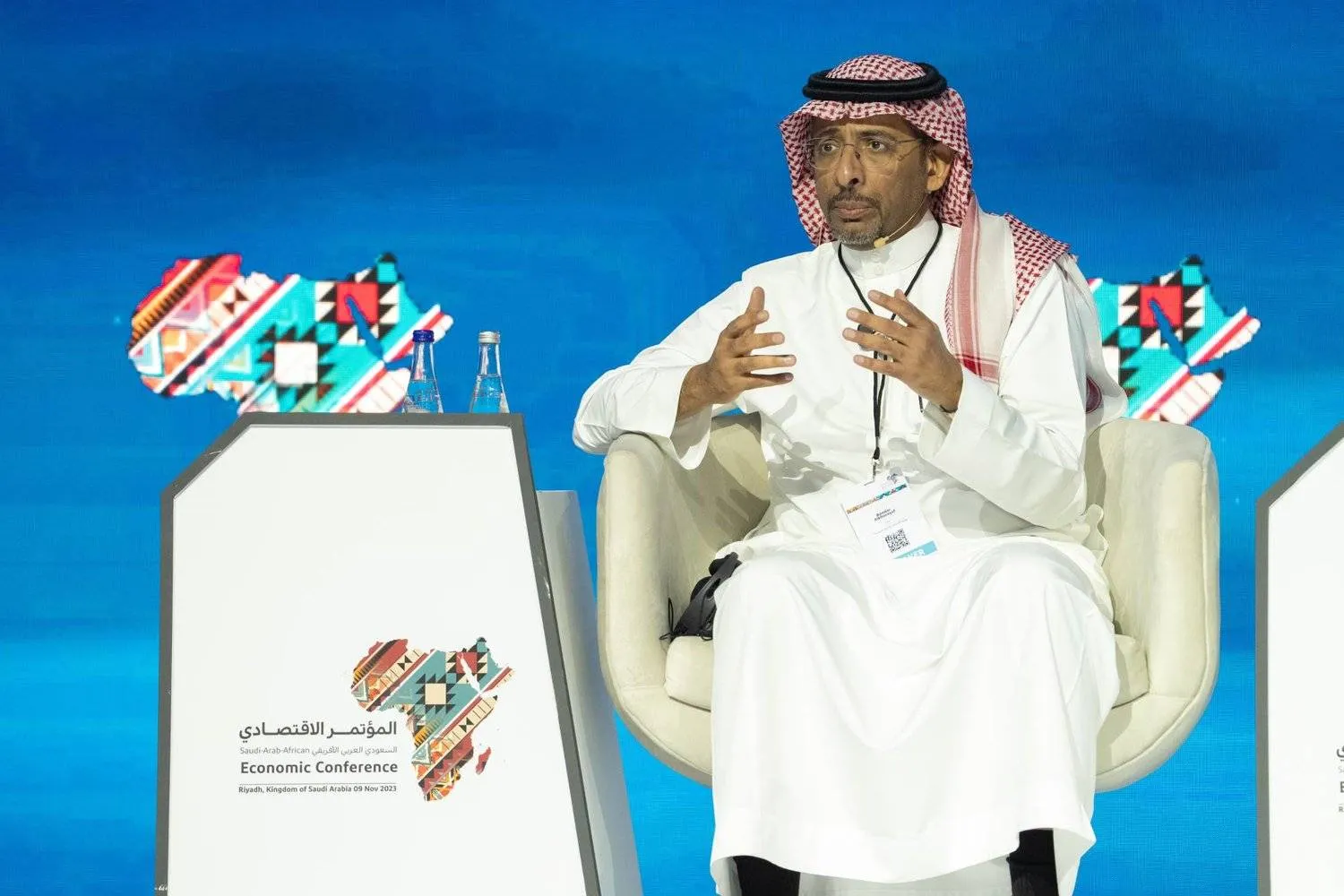
Bandar Alkhorayef, the Saudi Minister of Industry and Mineral Resources (Asharq Al-Awsat)
TT

Alkhorayef: Saudi Arabia Raises Mining Sector’s Economic Contribution Target to $80B

Bandar Alkhorayef, the Saudi Minister of Industry and Mineral Resources (Asharq Al-Awsat)

Bandar Alkhorayef, the Saudi Minister of Industry and Mineral Resources, revealed that the Kingdom has raised its target for the contribution of the mining sector to its Gross Domestic Product (GDP) to a range between $70 billion and $80 billion by 2030.

Previous estimates indicated that the contribution of the mining sector to Saudi Arabia's GDP would reach $64 billion by 2030.

Alkhorayef explained during a session on the sidelines of the Saudi-African Economic Conference that the Kingdom will update its expectations regarding the size of mineral reserves, currently standing at $1.3 trillion, in January of next year.

He also disclosed ongoing efforts to conduct further geological surveys across the Kingdom.

He pointed out that the economic value of minerals exceeds their monetary value, emphasizing that this allows the Kingdom to utilize its natural resources and benefit from its geographical location.

Alkhorayef clarified that the geological nature of Saudi Arabia and African countries is similar.

“There is work underway on exchanging information and experiences, as well as engaging in extraction and refining activities with Africa,” said the minister.

He mentioned the identification of three handling areas in Africa.

“We will use them to reach a larger number of African countries in transportation, distribution, and some light industries,” noted Alkhorayef.


China's May Fuel Oil Exports Rise 42% Year-on-year

An attendant holds a petrol nozzle after refuelling a car at a PetroChina gas station in Beijing, China, March 10, 2026. REUTERS/Florence Lo
TT

China's May Fuel Oil Exports Rise 42% Year-on-year

An attendant holds a petrol nozzle after refuelling a car at a PetroChina gas station in Beijing, China, March 10, 2026. REUTERS/Florence Lo

China's exports of fuel oil, mainly for low-sulphur marine fuel bunkering, rose 42% year-on-year in May, customs data showed on Saturday.

Volumes totaled 1.76 million metric tons, or about 360,695 barrels per day (bpd), up 4% from April, according to General Administration of Customs data.

Some marine fuel demand had been diverted from regional hub Singapore to China's Zhoushan due to cheaper prices at Chinese ports during most of ⁠May, market sources ⁠said.

Fuel oil imports in May extended declines after plummeting last month to what was then the lowest level since customs data for them began in 2021.

Imports of fuel oil totaled 559,346 tons ⁠in May, down 43% from April and 57% from a year earlier.

The imports, mostly purchased by refineries for use as feedstock, remained capped this quarter as China's independent refineries trimmed runs amid weak domestic demand for products, market sources said, according to Reuters.


Saudi Arabia Expands Investment Prospects in Military Industries

The Saudi pavilion reinforced the Kingdom’s position as a leading investment destination in the military industry sector. (Asharq Al-Awsat)
TT

Saudi Arabia Expands Investment Prospects in Military Industries

The Saudi pavilion reinforced the Kingdom’s position as a leading investment destination in the military industry sector. (Asharq Al-Awsat)

Saudi Arabia used the Eurosatory 2026 defense and security show to open new investment horizons, showcasing promising opportunities and a regulatory environment designed to attract capital.

The participation helped sharpen the appeal of the Kingdom’s military industries and drew the attention of major global companies seeking strategic partnerships that support Saudi localization targets.

The Saudi pavilion, held at the Paris exhibition from June 15 to 19, reinforced the Kingdom’s position as a leading investment destination in the military industry sector.

Organized by the General Authority for Military Industries (GAMI), the pavilion brought together 10 government and private entities alongside the authority.

The participation underlined Saudi Arabia’s welcome to investors from around the world seeking opportunities in the military industries sector. It also highlighted the Kingdom’s efforts to localize more than 50% of military spending by 2030.

On the sidelines of the exhibition, GAMI Governor Ahmad Al-Ohali met Patrick Pailloux, French Director General for Armament (DGA), as well as representatives of major global defense companies.

The meetings focused on ways to strengthen cooperation in military industries and exchange expertise, supporting the development of a sustainable sector, improving the readiness of military equipment, boosting self-sufficiency and contributing to the national economy.

The Saudi participation also saw the signing of several agreements and memorandums of understanding, part of GAMI’s efforts to develop military industries, strengthen supply chains and enable strategic partnerships.

The authority organized a workshop titled “Developing Supply Chains in Military Industries,” which discussed how an attractive investment environment for local and international investors can help build a diversified and prosperous economy in the sector.

The pavilion showcased the integration of government efforts, national industrial and service capabilities, and the innovative technologies presented by participating Saudi companies. It also highlighted the country’s attractive investment environment and the rapid growth of its military industries sector.

The sector’s contribution to GDP rose from 2.2 billion riyals, or about $587 million, in 2021 to 6.6 billion riyals, or about $1.76 billion, in 2024. The localization rate of military spending also climbed to nearly 25% in 2024, as the Kingdom works toward localizing more than 50% of military spending by 2030.

GAMI said the Saudi pavilion’s participation strengthened the Kingdom’s position as a trusted international partner, expanded its network of relations with major global companies and enabled national firms to showcase their capabilities while exploring opportunities for growth and expansion in global markets.



Iraq Raises Southern Oil Output to 1.75 Million bpd

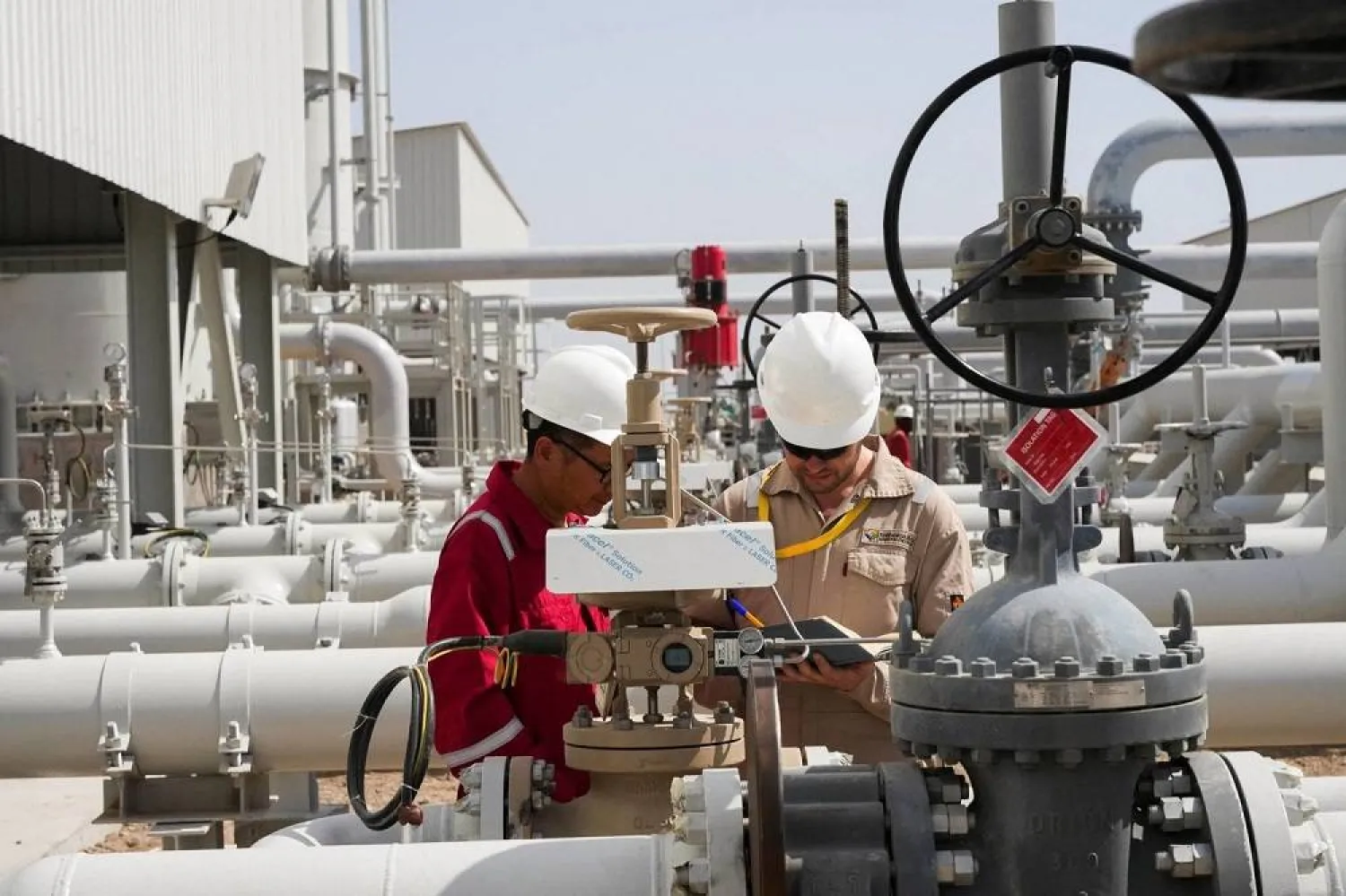
Technicians working at the Majnoon oil field in Basra, Iraq. (Reuters)
TT

Iraq Raises Southern Oil Output to 1.75 Million bpd

Technicians working at the Majnoon oil field in Basra, Iraq. (Reuters)

Iraq has increased crude oil production from its southern fields by 250,000 barrels per day to around 1.75 million barrels per day as more tankers load crude from the country's ports, Iraqi oil officials told Reuters on Friday, Reuters reported.


The officials said Iraq plans to raise production further to two million barrels per day in the coming few days.


Iraq, like other Gulf oil producers, has suffered the biggest drop in oil revenue as a result of the effective closure of the Strait of Hormuz amid the US-Iran War.