
UNESCO Adopts Saudi ‘Atlas’ Initiative to Preserve Food Methods

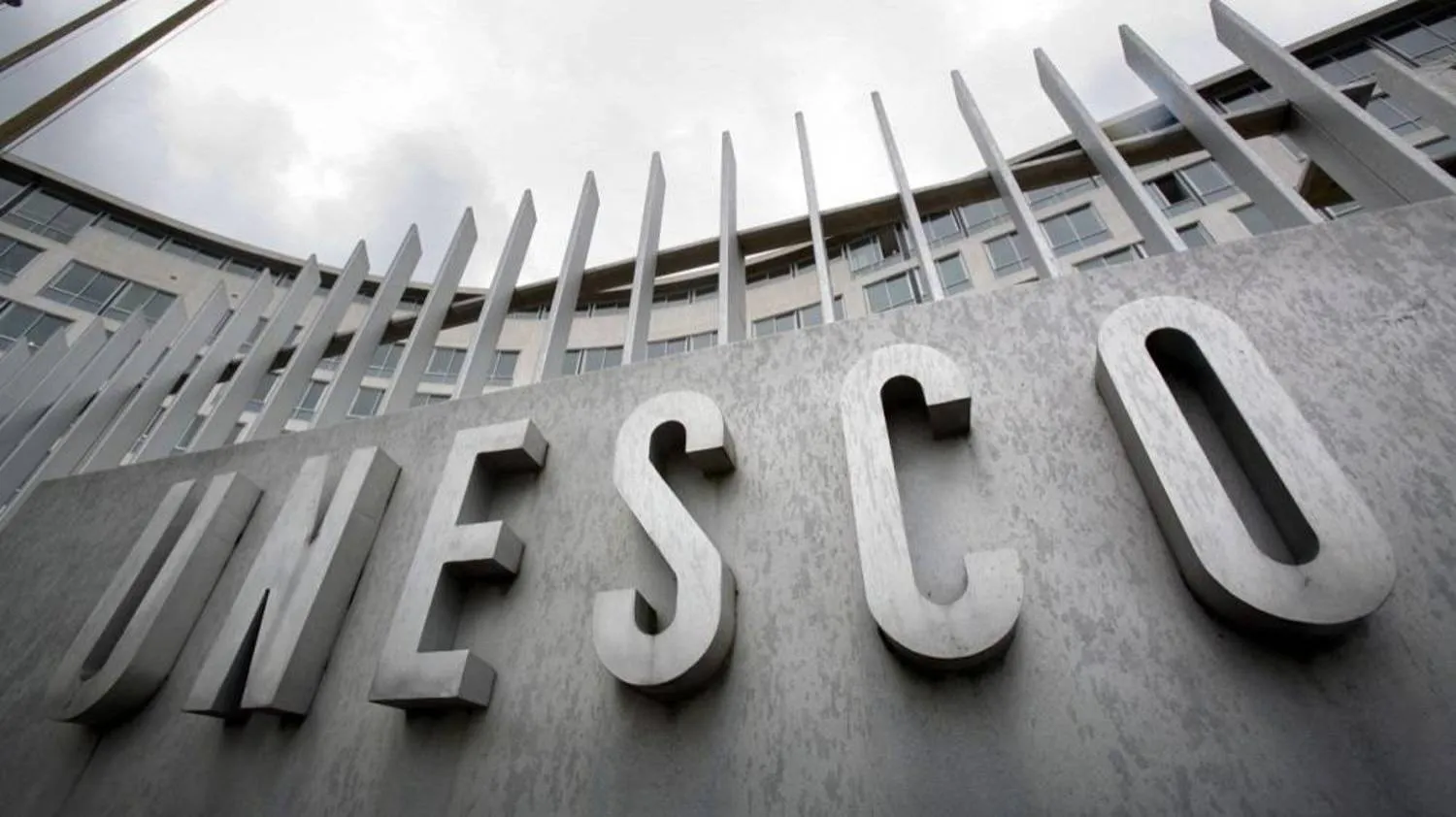
UNESCO has endorsed Saudi Arabia’s “Atlas” initiative that aims to preserve food methods. (Getty Images/AFP)
TT

UNESCO Adopts Saudi ‘Atlas’ Initiative to Preserve Food Methods

UNESCO has endorsed Saudi Arabia’s “Atlas” initiative that aims to preserve food methods. (Getty Images/AFP)

The United Nations Educational, Scientific and Cultural Organization (UNESCO) has endorsed Saudi Arabia’s “Atlas” initiative that aims to preserve food methods, reported the Saudi Press Agency on Monday.

Saudi Arabia’s Culinary Arts Commission had developed the initiative, called "The International Food Atlas and Digital Platform for Preserving, Promoting and Transmitting Foodways to Tomorrow's Generations."

This initiative seeks to preserve and document cultural heritage to ensure its sustainable transmission across generations.

The initiative will be officially launched during the 18th session of the Intergovernmental Committee for the Safeguarding of the Intangible Cultural Heritage in Botswana in December.

Cultural heritage plays a vital role in the identity of local communities as it reflects their historical roots and showcases the cultural diversity among different groups.

The initiative is the result of collaborative efforts between the Ministry of Culture, the Saudi Fund at UNESCO, and the Culinary Arts Commission. Together, they aim to establish a digital platform in partnership with UNESCO.

The platform will facilitate the registration of traditional foods from local communities in member states, following the principles and standards outlined by the 2003 Convention for the Safeguarding of Intangible Cultural Heritage.

The ultimate goal is to share and disseminate the Kingdom's experience in documenting traditional foods, customs, and practices, making it accessible to member states.
Students Discover 1,800-Year-Old Roman Villa Beneath School Gym

Students' curiosity uncovered what had lain hidden beneath the earth for centuries. (Special Superintendency of Rome)
TT

Students Discover 1,800-Year-Old Roman Villa Beneath School Gym

Students' curiosity uncovered what had lain hidden beneath the earth for centuries. (Special Superintendency of Rome)

Archaeologists in Rome have uncovered the remains of a luxury Roman residence dating to the second century CE beneath a high school near the Colosseum, after students' curiosity about mysterious underground rooms led to a formal excavation of the site.

According to Live Science, students at Liceo Scientifico Cavour, located just steps from the Colosseum, had long shared stories about hidden chambers beneath the school's gymnasium. What began as rumors ultimately led to a remarkable archaeological discovery.

During unofficial explorations of the underground spaces, students came across evidence of an ancient structure beneath the school.

After informing a teacher, who alerted the relevant authorities, archaeologists were called in to investigate the site. Excavations carried out earlier this year revealed that the dark passageways and partially lit rooms formed part of an elaborate Roman residence dating back nearly 1,800 years.

Liceo Scientifico Cavour occupies a building near the Colosseum that originally served as the headquarters of a Catholic missionary organization. When the complex was constructed in the late nineteenth century, preliminary excavation work uncovered part of an ancient domus, the term used for a large Roman urban residence.

The area is among the most historically significant parts of ancient Rome. Prominent figures including Cicero, Pompey and Octavian, later known as Augustus, are known to have lived there. Yet the district remains only partially understood by archaeologists because layers of modern construction cover much of the ancient landscape.

Researchers say the discovery offers a rare opportunity to study a section of ancient Rome that has remained largely inaccessible, while shedding new light on the city's residential life during the height of the Roman Empire.


Saudi, Malaysian Translation Associations Sign MoU to Promote Cultural Exchange

The MoU aims to enhance cooperation in the fields of translation and publishing, promote cultural and knowledge exchange, and support scientific and academic efforts of mutual interest. SPA
TT

Saudi, Malaysian Translation Associations Sign MoU to Promote Cultural Exchange

The MoU aims to enhance cooperation in the fields of translation and publishing, promote cultural and knowledge exchange, and support scientific and academic efforts of mutual interest. SPA

The Saudi Arabian Translation Association and the Malaysian Translators Association have signed a memorandum of understanding (MoU) at Saudi Arabia's pavilion, the guest of honor at the 2026 Kuala Lumpur International Book Fair.

The MoU aims to enhance cooperation in the fields of translation and publishing, promote cultural and knowledge exchange, and support scientific and academic efforts of mutual interest.

It also seeks to facilitate the exchange of expertise and specialized consultations, contributing to advancing the translation sector and strengthening its presence on the international cultural scene.

The memorandum represents an important step toward building sustainable professional and cultural partnerships that contribute to strengthening civilizational dialogue between Saudi Arabia and Malaysia, while opening the door to joint projects and initiatives that support translation activities and expand the exchange of literature and knowledge between the two languages.

The MoU comes as part of the cultural momentum witnessed by the Kingdom’s pavilion at the 2026 Kuala Lumpur International Book Fair, led by the Literature, Publishing and Translation Commission through a diverse cultural and knowledge-based program that highlights the growing stature of Saudi culture and its presence in international forums.

This underscores the importance of international book fairs as effective platforms for enhancing cultural cooperation and signing agreements and partnerships that contribute to expanding prospects for joint work among cultural and knowledge institutions around the world.


Saudi Heritage Commission Uncovers Over 1,700 Artifacts at Ancient Al-Juhfah Miqat Site

Discoveries included diverse fragments used in daily life, six pottery kilns, a water channel - SPA
TT

Saudi Heritage Commission Uncovers Over 1,700 Artifacts at Ancient Al-Juhfah Miqat Site

Discoveries included diverse fragments used in daily life, six pottery kilns, a water channel - SPA

Saudi Arabia's Heritage Commission completed the first season of its joint scientific mission with the University of Exeter at the ancient Al-Juhfah Miqat site, uncovering more than 1,700 artifacts, including pottery, glass, stone pieces, shells, and worked objects, confirming the site's significance along the Egyptian pilgrimage route.

Discoveries included diverse fragments used in daily life, six pottery kilns, a water channel believed to have served pilgrims and travelers, and 13 tombstones dating to the Umayyad and Abbasid periods. Some finds originated from the Levant, Egypt, and Ethiopia, reflecting the diverse origins of pilgrims who passed through this miqat, SPA reported.

Al-Juhfah Miqat is located 187 kilometers northwest of Makkah and has been an established miqat since the early Islamic period, associated with the Prophet's migration, and is known to have flourished in the second Hijri century, with water facilities and shops serving pilgrims.

These works are part of the Heritage Commission's efforts to survey and document archaeological sites along the Hijrah route between Makkah and Madinah, using advanced technologies to reveal the historical and civilizational depth of the Kingdom.