


France Riled by EU Camembert Box Ban

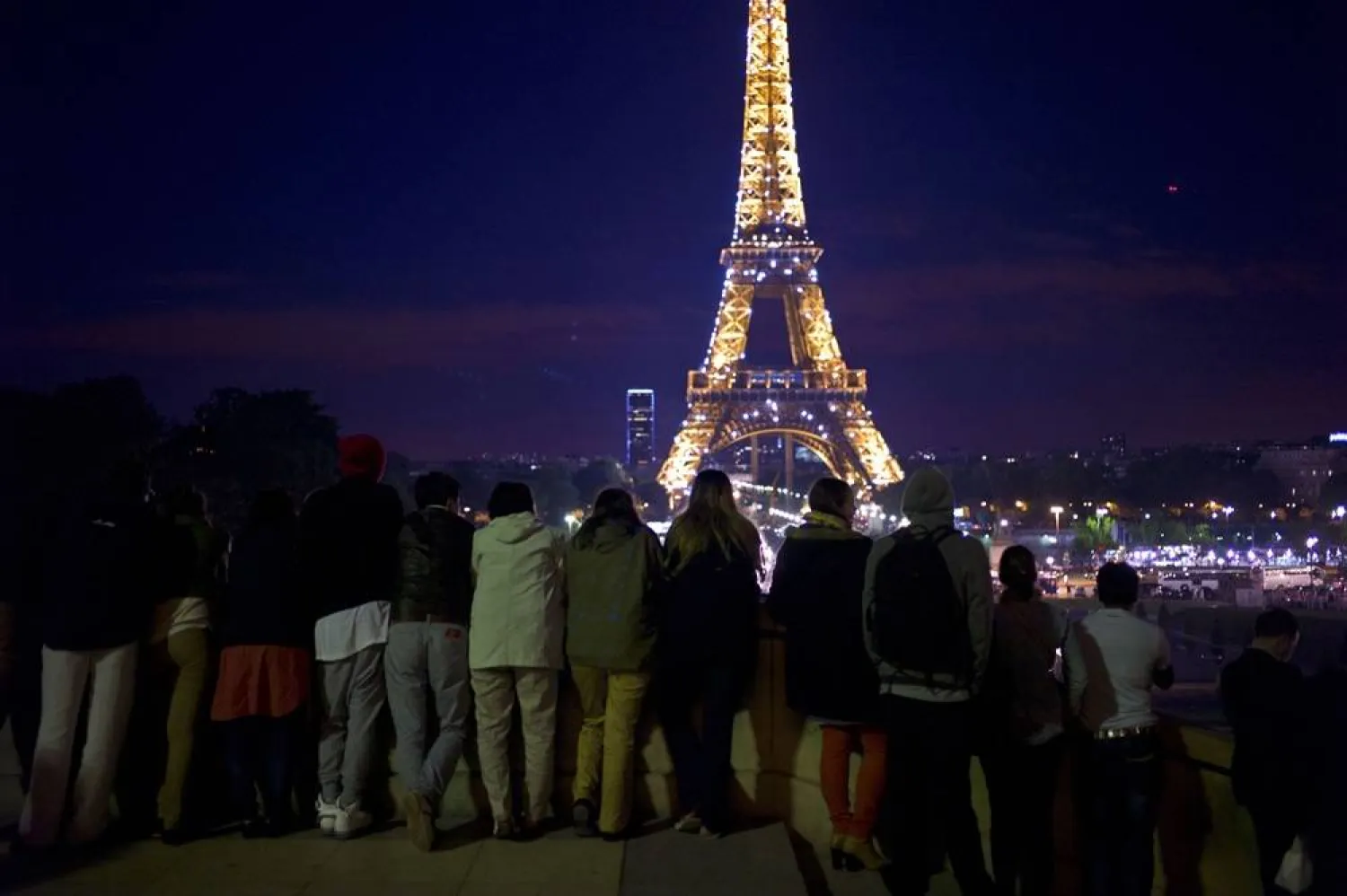
Tourists look at the illuminated Eiffel Tower in Paris, on June 13, 2013. (AP)
TT

France Riled by EU Camembert Box Ban

Tourists look at the illuminated Eiffel Tower in Paris, on June 13, 2013. (AP)

The European Union has long known that the way to France's heart is through its stomach. So, don't touch the Camembert — never, ever.

On Wednesday, legislators at the European Parliament will vote to make sure it doesn't happen.

In one of the many legal proposals on streamlining and optimizing waste management throughout the 27-nation bloc, some French cheese producers sniffed out something and turned it into a culinary stink.

They claimed that the proposal would make it illegal for Camembert to be cradled into the wooden packaging for its final weeks of ripening and, eventually, sale. The round box is as essentially Camembert as its onctuous texture and pungent smell.

Suddenly, there was a frenzied flutter that something fundamentally French would fall foul of the Brussels bureaucrats — derisively known by many as Eurocrats — who are all too often blamed for flaws real and false.

"It is a matter of common sense. Don’t touch our Camemberts!" said Jean-Paul Garraud, a member of the European Parliament for France's far right Rassemblement National.

If forced into something easier to recycle like plastic, the perfect breathing of the cheese through wood might otherwise get sweaty and flabby. Wood, though, is very hard to recycle sustainably, so the EU plans to move it out of food packaging as much as possible.

Even Gen. Charles de Gaulle, French World War II hero and later president of the nation, knew all about the cheese issue. "How do you want to run a country that has 246 kinds of cheese," he was quoted as complaining.

The center-right European People's Party, the biggest group in the European Parliament with a traditional farming electorate and penchant for heritage protection, came to the defense of the wooden boxes for Camembert and other cheeses.

"Our French cheeses are loved all over the world. But who can imagine a Camembert or a Mont d’Or without its wooden strapping? Packaging them in plastic would be a gustatory and environmental aberration," said French MEP Laurence Sailliet.

"Europe must know how to protect the environment, but never to the detriment of the specific characteristics of its member states," she added.

And food is one of the touchiest characteristics for sure.

The British used anti-EU food foment to the extreme in the years leading up to Brexit, with former Prime Minister Boris Johnson, then still a Brussels journalist, leading the tabloid assault with stories that the EU would insist that bananas would have to be straight and eliminate beloved British biscuits.

It helped turn the United Kingdom against the EU, and voters decided in a referendum to leave.

France is very far from that stage, but Environment Commissioner Virginijus Sinkevicius said Tuesday the EU would make sure that the raw-milk specialized non-industrial Camemberts — those that have a controlled designation of origin — will be exempt from any regulation.

The vote on Wednesday will include such an exemption.

"Indeed, in the EU, certain food packaging made of wood, textiles, ceramics are placed on the market in very small quantities, and many of them protected by the food quality legislation," Sinkevicius said. "Such packaging may have difficulties to be recycled at scale and is open for specific exemptions."

Saudi Arabia, Syria Underline Depth of their Cultural Ties

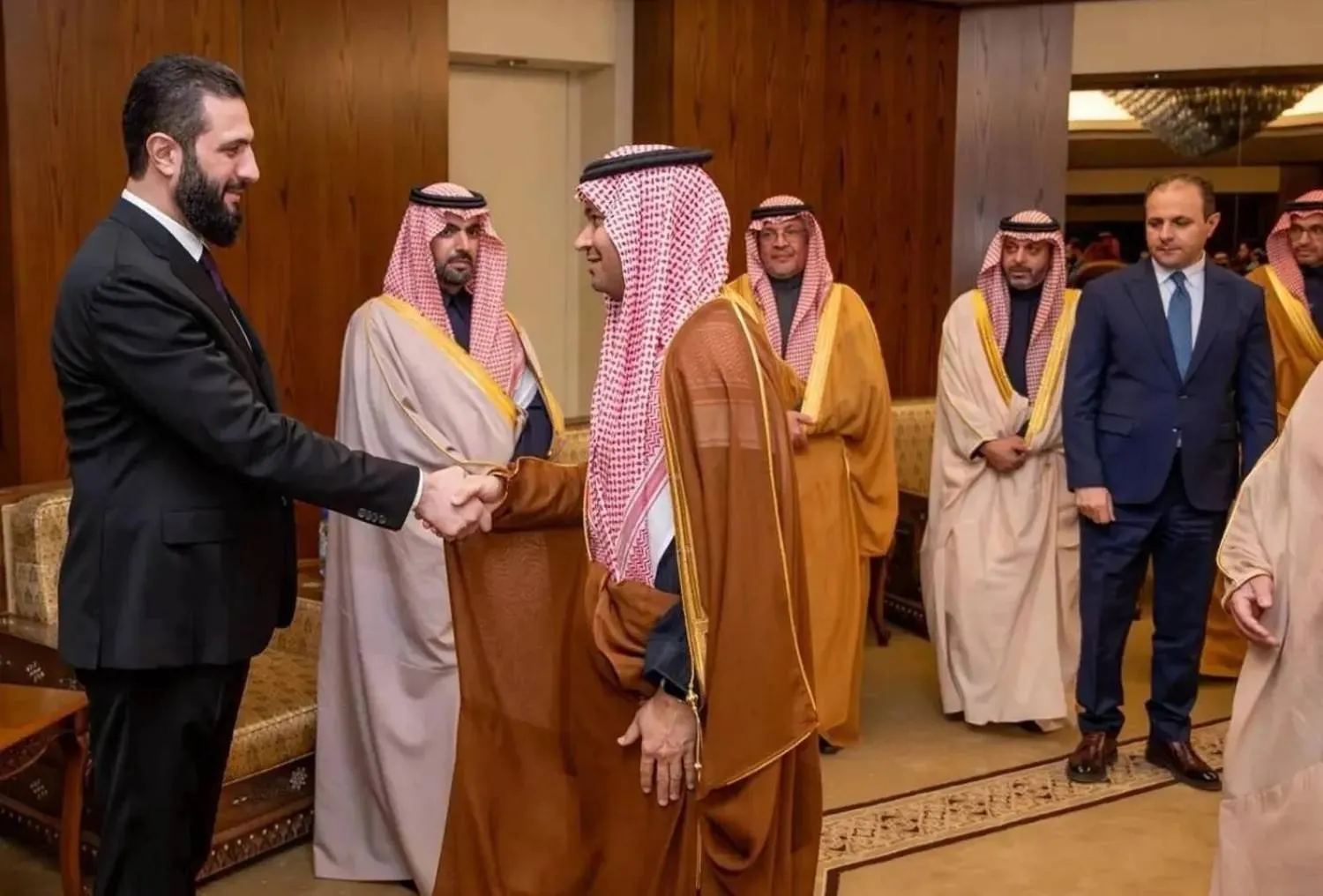
Syrian President al-Sharaa receives the Saudi minister of culture and the accompanying delegation at the Conference Palace in Damascus on Thursday. (SPA)
TT

Saudi Arabia, Syria Underline Depth of their Cultural Ties

Syrian President al-Sharaa receives the Saudi minister of culture and the accompanying delegation at the Conference Palace in Damascus on Thursday. (SPA)

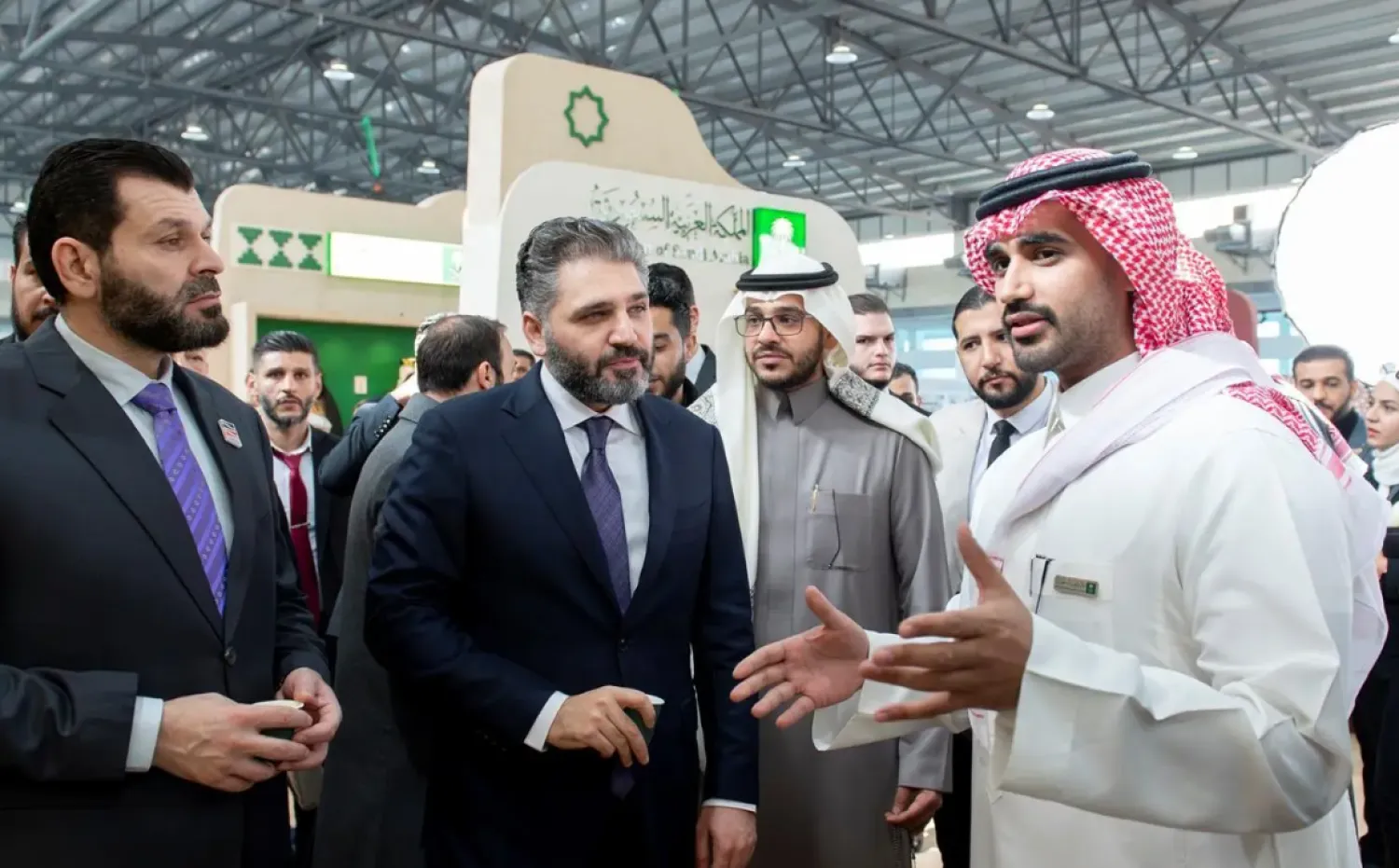
Saudi Arabia and Syria underlined the strength of their cultural relationship during high-level meetings held in Damascus on Thursday, on the sidelines of the opening of the Damascus International Book Fair 2026, where the Kingdom is participating as guest of honor.

Syrian President Ahmad al-Sharaa received Saudi Minister of Culture Prince Badr bin Abdullah bin Farhan at the Conference Palace in the capital.

Earlier the same day, Prince Badr met with his Syrian counterpart, Minister of Culture Mohammad Yassin Saleh, during an official visit to attend the fair. T

he Saudi minister congratulated Syria on hosting the exhibition and expressed his wishes for continued prosperity, progress, and stability for the Syrian government and people.

Both meetings highlighted the depth of cultural relations between the two countries, the importance of expanding joint cultural cooperation across various fields, and the alignment of positions on issues of mutual interest in a way that serves both nations.

The Saudi delegation included senior officials and advisers, among them representatives from the Royal Court, the Ministry of Culture, and the King Abdulaziz Public Library, reflecting broad institutional engagement in the visit.

In the evening, Prince Badr attended the opening ceremony of the fair’s special session, held under the patronage and in the presence of al-Sharaa. The event drew wide official and cultural participation, including Arab ministers, political and intellectual figures, and a distinguished group of writers and cultural figures.

In a post on the X platform, Prince Badr thanked “our brothers in Syria for their generous hospitality and their efforts in organizing the Damascus International Book Fair.”

The minister also inaugurated the Kingdom’s pavilion at the fair in the presence of the Syrian minister of culture and the Qatari minister of culture.

Saudi Arabia’s guest-of-honor participation continues until Feb. 16 and reflects its growing prominence and leadership in the Arab and global cultural landscape.

This participation aligns with Saudi Vision 2030, which places culture at the heart of national development, viewing it as a space for dialogue, a bridge for civilizational communication, and a tool for strengthening ties among Arab peoples.

The Saudi Literature, Publishing and Translation Commission is leading the Kingdom’s participation, highlighting the development of the cultural sector and reaffirming the central role of books as carriers of knowledge and awareness.

The Saudi pavilion boasts a comprehensive cultural program featuring intellectual seminars, poetry evenings, a manuscript exhibition, traditional Saudi fashion displays, hospitality corners, archaeological replicas, and performing arts that express the depth of the Kingdom’s cultural heritage.

On the sidelines of the visit, Prince Badr, accompanied by Minister Saleh, toured the National Museum of Damascus, which houses rare artifacts spanning prehistoric eras, ancient Syrian civilizations, classical and Islamic periods, as well as traditional and modern art.


UNESCO Honors Al-Bisht Al-Hasawi as Thousands Flock to Al-Ahsa Festival

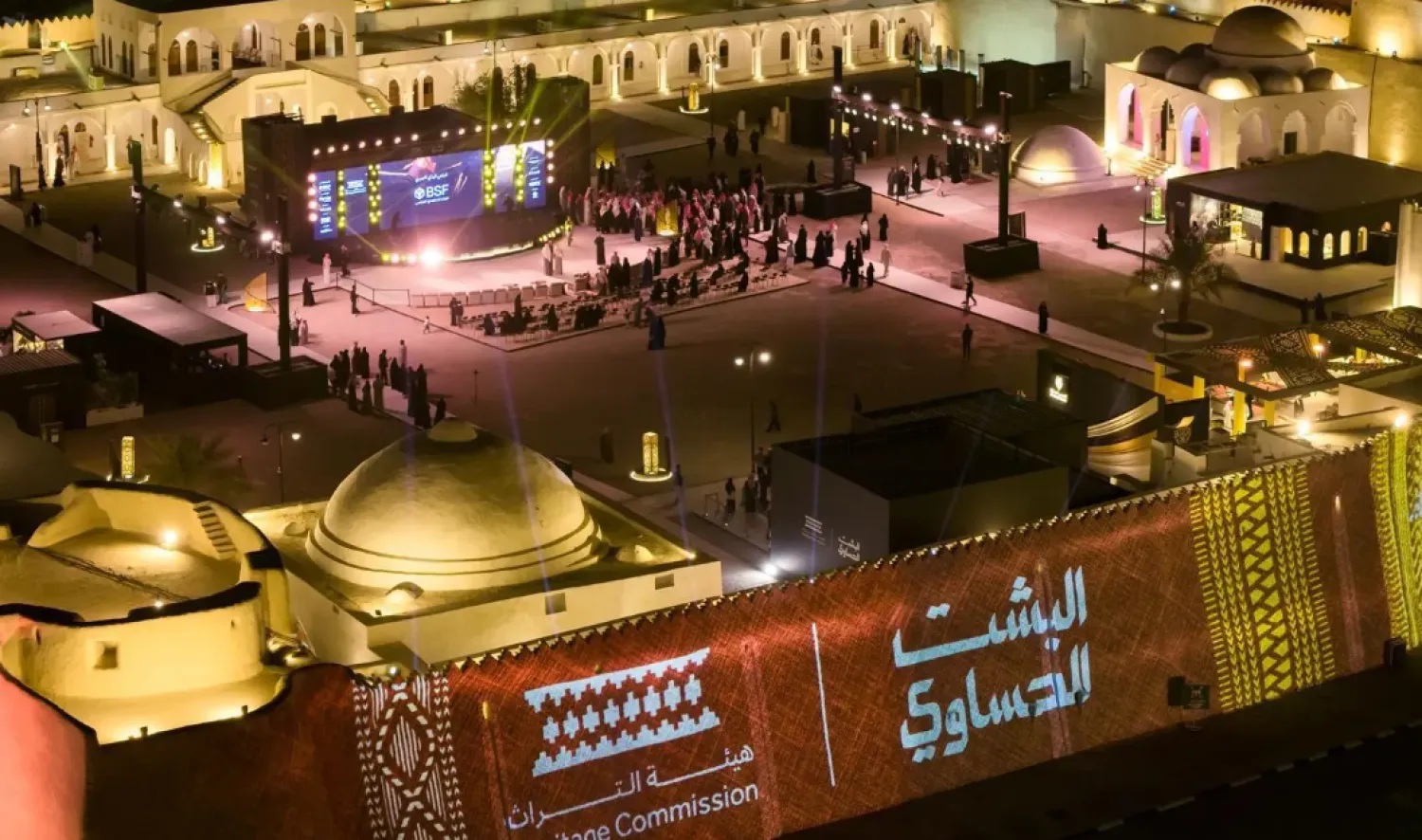
Visitors can explore interactive displays, participate in live workshops, and witness the meticulous process of tailoring this iconic symbol of prestige - SPA
TT

UNESCO Honors Al-Bisht Al-Hasawi as Thousands Flock to Al-Ahsa Festival

Visitors can explore interactive displays, participate in live workshops, and witness the meticulous process of tailoring this iconic symbol of prestige - SPA

The third edition of Al-Bisht Al-Hasawi Festival is drawing thousands of regional and international visitors to Ibrahim Palace in historic Al-Hofuf.

Organized by the Heritage Commission, this year’s festival celebrates the inscription of the Bisht on UNESCO’s Representative List of the Intangible Cultural Heritage of Humanity.

The event showcases Al-Ahsa’s centuries-old tradition of hand-weaving and gold embroidery, a craft passed down through generations of local families, SPA reported.

Visitors can explore interactive displays, participate in live workshops, and witness the meticulous process of tailoring this iconic symbol of prestige.

With UNESCO's participation and representatives from six countries, the festival has evolved into a global platform for cultural dialogue, cementing the Bisht’s status as a world-class cultural treasure.


Saudi, Syrian Culture Ministers Tour National Museum of Damascus

The ministers observed the museum’s extensive collections spanning prehistoric eras to modern art. SPA
TT

Saudi, Syrian Culture Ministers Tour National Museum of Damascus

The ministers observed the museum’s extensive collections spanning prehistoric eras to modern art. SPA

Saudi Minister of Culture Prince Badr bin Abdullah bin Farhan and his Syrian counterpart, Mohammed Yassin Saleh, have toured the National Museum of Damascus during the Kingdom’s participation as guest of honor at the 2026 Damascus International Book Fair.

The ministers observed on Thursday the museum’s extensive collections spanning prehistoric eras to modern art.

A particular focus was placed on the Arab-Islamic wing, featuring significant artifacts from the Umayyad period.

The Kingdom's participation as guest of honor at the 2026 Damascus International Book Fair, which runs until February 16, stems from the role culture plays within Saudi Vision 2030.