Crown Prince Performs Funeral Prayer for Prince Mamdouh bin Abdulaziz at Grand Mosque in Makkahhttps://english.aawsat.com/4702636-crown-prince-performs-funeral-prayer-prince-mamdouh-bin-abdulaziz-grand-mosque-makkah
Crown Prince Performs Funeral Prayer for Prince Mamdouh bin Abdulaziz at Grand Mosque in Makkah
Prince Mohammed bin Salman bin Abdulaziz Al Saud, Crown Prince and Prime Minister, performs the funeral prayer for late Prince Mamdouh bin Abdulaziz. (SPA)
TT
TT
Crown Prince Performs Funeral Prayer for Prince Mamdouh bin Abdulaziz at Grand Mosque in Makkah
Prince Mohammed bin Salman bin Abdulaziz Al Saud, Crown Prince and Prime Minister, performs the funeral prayer for late Prince Mamdouh bin Abdulaziz. (SPA)
Prince Mohammed bin Salman bin Abdulaziz Al Saud, Crown Prince and Prime Minister, performed on Friday the funeral prayer after the Asr prayer at the Grand Holy Mosque in Makkah for late Prince Mamdouh bin Abdulaziz Al Saud.
Several princes, ministers, senior officials, and citizens also attended the funeral prayer.
كيف يفرض وكلاء الذكاء الاصطناعي قواعد جديدة للهوية والصلاحيات داخل المؤسسات؟
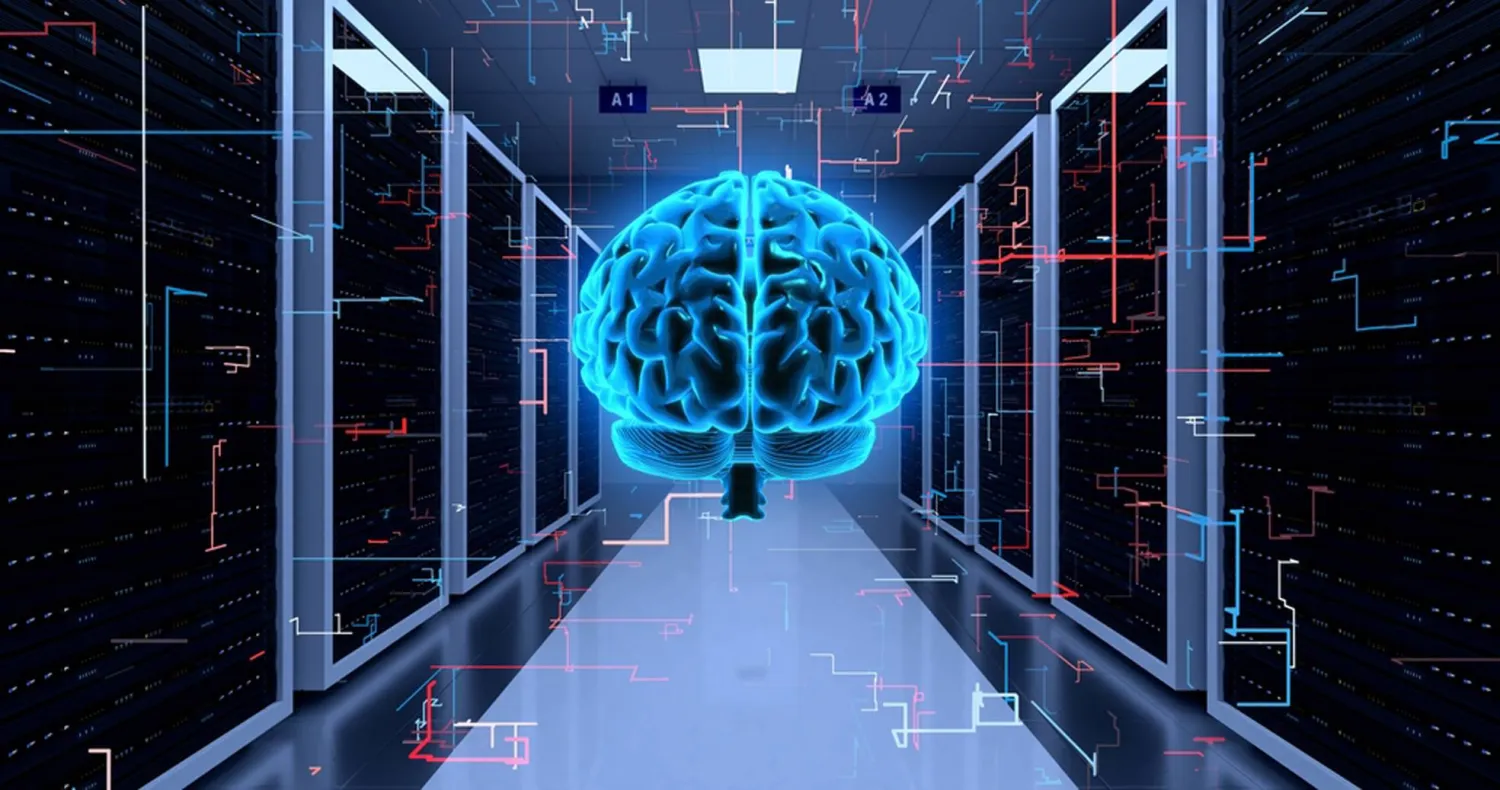
يقلل منح الوكلاء صلاحيات محدودة حسب المهمة مخاطر الوصول الواسع إلى البيانات والأنظمة الحساسة (شاترستوك)
قبل أن تسمح المؤسسة لأول وكيل ذكاء اصطناعي باتخاذ إجراء داخل أنظمتها الفعلية، ينبغي أن تتمكن من الإجابة عن أربعة أسئلة عملية؛ من يتحمل مسؤولية سلوكه؟ ما الذي يُسمح له بالوصول إليه؟ هل يمكن إعادة بناء كل قرار اتخذه لاحقاً؟ وهل توجد وسيلة مجرّبة لإيقافه إذا انحرف عن المهمة؟
تصبح هذه المتطلبات، بحسب نيبو فارغيز، المدير الأول للأمن السيبراني في شركة «إف تي آي كونسلتنج» (FTI Consulting)، أكثر إلحاحاً مع انتقال المؤسسات من استخدام الذكاء الاصطناعي لتقديم الإجابات والتوصيات إلى نشر وكلاء قادرين على الوصول إلى الأنظمة واستدعاء الأدوات وتنفيذ الإجراءات بأنفسهم.
تتزامن هذه النقاشات مع انطلاق النسخة الرابعة من «منتدى اليونسكو العالمي لأخلاقيات الذكاء الاصطناعي» في الرياض، الاثنين، الذي يستمر حتى 17 سبتمبر (أيلول). ويجمع المنتدى مسؤولين وصناع قرار وخبراء وأكاديميين وممثلين عن منظمات دولية وقطاعات حكومية وخاصة، لبحث حوكمة الذكاء الاصطناعي وكيفية تحويل المبادئ الأخلاقية إلى سياسات وضوابط عملية تواكب تسارع استخدام الأنظمة الأكثر استقلالية.
ويشرح فارغيز أن المشكلة لا تكمن في أن الوكيل مجرد «مستخدم آلي» جديد يحتاج إلى حساب دخول آخر. فأنظمة الهوية والصلاحيات التقليدية صُممت أساساً للتعامل مع شخص بشري أو برنامج يتصرف بطريقة متوقعة ومتكررة. أما وكيل الذكاء الاصطناعي فيتصرف بالنيابة عن شخص، لكنه يستطيع أيضاً تحديد خطوته التالية بصورة ديناميكية، ما يجعل نمط سلوكه أقل قابلية للتوقع مسبقاً.
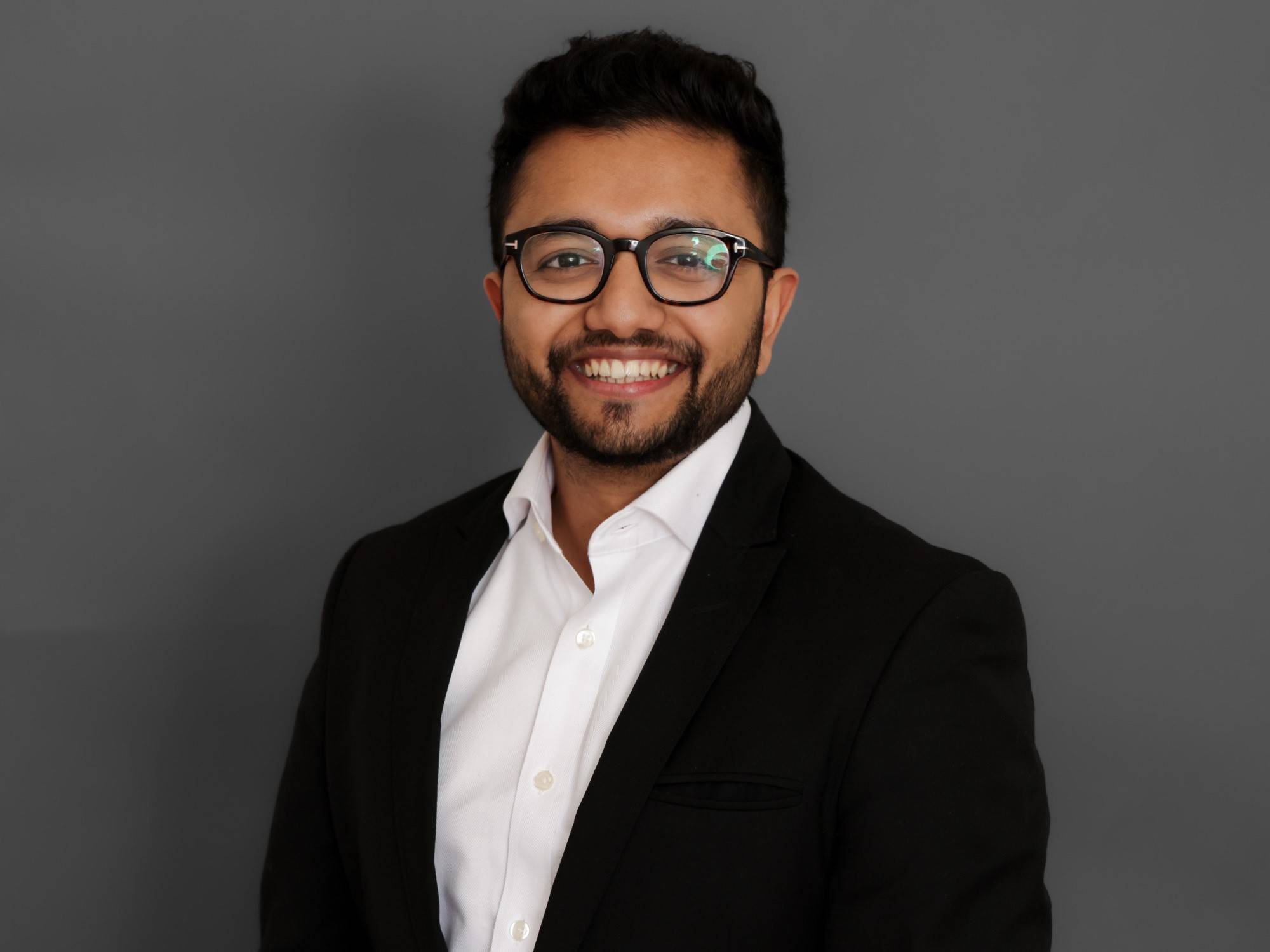
نيبو فارغيز المدير الأول للأمن السيبراني في شركة «إف تي آي كونسلتنج» (الشركة)
الصلاحيات الواسعة تتحول إلى نقطة ضعف
يضع هذا الاختلاف مسألة الصلاحيات في قلب المشكلة الأمنية. ويحذر فارغيز من التعامل مع الوكيل كما لو كان حساب خدمة تقليدياً يحمل مجموعة ثابتة من الصلاحيات ويدخل إلى أنظمة معروفة سلفاً.
فالوكيل قد يستدعي سلسلة من الأدوات والأنظمة أثناء محاولته إنجاز هدف معين، فيما يؤثر السياق الذي جمعه في بداية المهمة على القرارات التي يتخذها لاحقاً. ولهذا يرى أن الضوابط الموضوعة للبرمجيات التقليدية لن تكون كافية وحدها لإدارة المخاطر الجديدة.
ويطرح بديلاً يقوم على مبدأ «أقل قدر من الصلاحيات»، بحيث يحصل الوكيل على ما يحتاج إليه فقط لإنجاز المهمة المحددة، على أن تتغير صلاحياته عندما تتغير المهمة. ويشير إلى أن أحد الأخطاء الشائعة يتمثل في منح الوكيل منذ البداية كامل مجموعة الصلاحيات التي قد يحتاج إليها مستقبلاً، بدلاً من الحد الأدنى اللازم للعمل الحالي.
وتتزايد حساسية هذه المسألة مع ضغوط إثبات العائد من الاستثمار في الذكاء الاصطناعي. فكلما زادت البيانات والأنظمة التي يستطيع الوكيل الوصول إليها، بدا أكثر قدرة على إنجاز المهام؛ إلا أن الصلاحيات ذاتها يمكن أن تتحول إلى مصدر خطر إذا تعرض الوكيل للتلاعب أو الاختراق.
ويضرب فارغيز مثالاً بوكيل يمتلك صلاحية الكتابة في قواعد بيانات حساسة أو الوصول إلى مفاتيح أنظمة، إذ يستطيع تنفيذ إجراءات واسعة النطاق قبل أن يلاحظ أحد ما يحدث. وينوه أن تكون كل صلاحية ممنوحة قراراً متعمداً يرتبط بمالك محدد داخل المؤسسة.
هوية صحيحة... وفعل ضار
لا يكفي التحقق من أن الوكيل الذي نفذ الإجراء يحمل هوية صحيحة حيث إن المهاجم لا يحتاج في بعض السيناريوهات إلى انتحال هوية الوكيل أصلاً، إذ يمكنه التأثير في سلوكه بواسطة تعليمات خبيثة مخفية داخل محتوى يبدو موثوقاً، لتخرج النتيجة في سجلات المؤسسة وكأنها عملية مشروعة نفّذها وكيل مخول.
ولهذا يدعو فارغيز إلى تحليل مصدر الفعل وتوقيته والبيانات التي وصل إليها الوكيل، ومدى توافقها مع المهمة الموكلة إليه. ويشير إلى أن عملية مشروعة وأخرى خبيثة قد تبدوان متطابقتين عند النظر إلى سجل الوصول وحده، بينما تظهر الفروق عند جمع السياق والسلوك والنية المحيطة بالفعل. كما يدعو فرق الأمن إلى اختبار الوكلاء بالطريقة نفسها التي قد يستخدمها المهاجم، من خلال إدخال تعليمات خبيثة بصورة متعمدة ومراقبة ما إذا كانت أنظمة الرصد ستكتشفها أم ستسمح بمرورها باعتبارها نشاطاً طبيعياً.
تصبح مراقبة سلوك الوكلاء واكتشاف الانحرافات آلياً أكثر أهمية مع زيادة سرعة وعدد العمليات التي ينفذونها.
عندما تصبح سرعة الآلة مشكلة أمنية
يرى فارغيز أن الاعتماد على محلل بشري يراجع السجلات بعد وقوع الحدث لم يعد نموذجاً عملياً في مثل هذه البيئات. ويلفت أن الحل هو بناء خط أساس للسلوك الطبيعي لكل وكيل يشمل حجم النشاط وتسلسله وتوقيته والأدوات التي يستخدمها، ثم اكتشاف الانحرافات آلياً. فإذا بدأ وكيل مالي، على سبيل المثال، في الاستعلام عن أنظمة الموارد البشرية، أو شرع وكيل اعتاد العمل خلال ساعات الدوام في تنفيذ عمليات عند الثالثة صباحاً، فهذه إشارات تستحق التحقيق حتى لو كانت كل عملية منفردة تبدو مسموحاً بها تقنياً.
متى يجب أن يتدخل الإنسان؟
على الرغم من الاتجاه نحو زيادة الاستقلالية، لا يرى فارغيز أن كل قرار يجب أن يُترك للوكيل. ويفيد بأن العمليات التي يصعب التراجع عنها أو التي يمكن أن تسبب ضرراً كبيراً عند الخطأ ينبغي أن تبقى مرتبطة بموافقة بشرية، خصوصاً عندما تتعلق ببيانات العملاء، أو التزامات مالية، أو تغييرات في الوضع الأمني للمؤسسة، مثل تعديل الصلاحيات أو تعطيل الضوابط الأمنية.
ويتجاوز الإيقاف مجرد الضغط على زر يعطل الوكيل، إذ ينبغي حفظ حالته عند التعليق لفهم ما فعله، إلى جانب تحديد الإجراءات التي بدأ تنفيذها بالفعل قبل الإيقاف وما إذا كان بالإمكان التراجع عنها. كما يوصي بأن تُختبر آلية التعليق بواسطة أشخاص لم يشاركوا في تطوير الوكيل نفسه.
لا يكفي التحقق من الهوية وحده لأن التلاعب قد يحدث عبر تعليمات خبيثة داخل محتوى يبدو موثوقاً (رويترز)
سجل يعيد بناء القرار كاملاً
مع الوكلاء المستقلين، لا يكفي تسجيل النتيجة النهائية، بل يجب حفظ المعلومات الكافية لإعادة بناء القرار بالكامل بدءاً من التعليمات التي بدأت العملية، ومن أصدرها، والبيانات والأدوات التي استخدمها الوكيل، وصولاً إلى الصلاحيات التي نُفذت تحتها كل خطوة، والنتيجة النهائية.
ويشير فارغيز إلى أن بعض منصات الوكلاء بدأت بالفعل بتخصيص هوية وسجل دخول وتاريخ تدقيق لكل وكيل، مع إمكانية ربط الإجراء بالشخص أو القالب الذي يقف خلفه. لكن هذه القدرات ما زالت مرتبطة بالمنصات الفردية، ولا يوجد حتى الآن معيار واسع التبني لتسجيل هذه المعلومات ومشاركتها بصورة متسقة بين الأنظمة المختلفة.
وتصبح المشكلة أكثر تعقيداً عندما يعمل عدة وكلاء معاً، إذ قد لا يظهر الخلل عند تقييم كل واحد منها منفرداً، بل في عمليات التسليم والتفاعل بينها. ولذلك، يعدّ فارغيز أن اختبارات المحاكاة والهجوم أكثر فاعلية من مراجعة السياسات وحدها في اكتشاف المخاطر الكامنة بين الوكلاء.
الشرق الأوسط أمام فرصة للبناء منذ البداية
يرى فارغيز أن وتيرة نشر الذكاء الاصطناعي تتسارع، مشيراً إلى خطط في الإمارات للانتقال بخدمات حكومية نحو الذكاء الاصطناعي المستقل خلال العامين المقبلين، وإلى توجه مركز دبي المالي العالمي نحو بناء مركز مالي «مولود للذكاء الاصطناعي» بحلول 2027، إلى جانب زخم مماثل في السعودية ضمن «رؤية 2030».
ويعتبر أن سرعة التبني في المنطقة لا تعني بالضرورة أن الحوكمة يجب أن تأتي لاحقاً، بل قد تمنح المؤسسات فرصة لبناء ضوابط الهوية والمراقبة والأمن منذ البداية، قبل أن يصبح الوكلاء جزءاً واسع الانتشار من البنية التشغيلية.
ولهذا يعود فارغيز إلى أربعة شروط قبل السماح لأي وكيل بالعمل فعلياً؛ يجب أن يكون مسؤولاً تنفيذياً معروفاً يمتلك سلطة إيقافه، وله صلاحيات مصممة وفق احتياجات المهمة، وسجلات كافية لإعادة بناء كل فعل، وآلية تعليق جرى اختبارها بصورة مستقلة.
ويؤكد فارغيز أن الاختبار الحقيقي لهذه الضوابط لا يكون على الورق، بل عندما تتعرض لمحاولة إساءة استخدام متعمدة، وأن المؤسسات بحاجة إلى الانتقال من مراجعة وكلائها نظرياً إلى اختبارهم تحت ظروف تحاكي هجوماً حقيقياً قبل منحهم القدرة على التصرف داخل الأنظمة الإنتاجية.
«لا ليغا»: التغيير الفني يؤتي ثماره... فالنسيا يهزم ألافيس بملعبه
فالنسيا هزم ألافيس في فيتوريا غاستيز (إ.ب.أ)
يبدو أن التغيير الفني في فالنسيا أثمر، إذ حقق «الخفافيش» فوزهم الأول في الموسم الجديد من الدوري الإسباني لكرة القدم، وجاء على حساب مضيّفهم ألافيس 1-0 الثلاثاء في المرحلة السادسة.
وقرر فالنسيا فسخ عقد مدربه كارلوس كوربيران الذي استلم منصبه في ديسمبر (كانون الأول) 2024، بعدما وجد نفسه في ذيل الترتيب بنقطة واحدة بعد خمس مراحل.
وتولى أوسكار سانشيز، مدرب الفريق الرديف، المهمة بشكل مؤقت إلى حين تعيين مدرب جديد، وقد نجح في منح «الخفافيش» انتصارهم الأول بفضل هدف سجّله في الدقيقة 78 لويس رويخا في مرمى الفريق الذي دافع عن ألوانه من 2019 حتى 2024.
وبذلك، تعرّض ألافيس لهزيمته الثانية وتجمّد رصيده عند 10 في المركز الرابع مؤقتاً بفارق الأهداف أمام أتلتيكو مدريد وإشبيلية ونقطة أمام ديبورتيفو لا كورونيا.
وحقق رايو فايكانو فوزه الثاني للموسم وجاء على حساب ضيفه إسبانيول 2-1، في لقاء أكمل النادي الكاتالوني ثوانيه الأخيرة بعشرة لاعبين بعد طرد مدافعه المغربي عمر الهلالي.
فاز فريق جنوا بصعوبة بالغة على ضيفه سودتيرول، الناشط بالدرجة الثانية، بنتيجة 1 / صفر ضمن منافسات دور الـ32 لكأس إيطاليا لكرة القدم الثلاثاء.
أحرز المدافع المكسيكي جون فاسكيز الهدف الوحيد لجنوا في الدقيقة 87.
وأنقذ فاسكيز فريقه بعد سبع دقائق فقط من مشاركته بديلاً.
وواصل المدافع المكسيكي الدولي تألقه للمباراة الثانية على التوالي، حيث سجل هدف التعادل لجنوا أمام فروزينوني بنتيجة 1 / 1 في الدوري الإيطالي، يوم السبت الماضي.
وتأهل جنوا لدور الـ16 ليضرب موعداً مع بطل الدوري الإيطالي الموسم الماضي، إنتر ميلان، في مباراة ستقام على ملعب «سان سيرو».