


Saudi-Kuwaiti Relations Firmly Established, Shaped by Founding Fathers

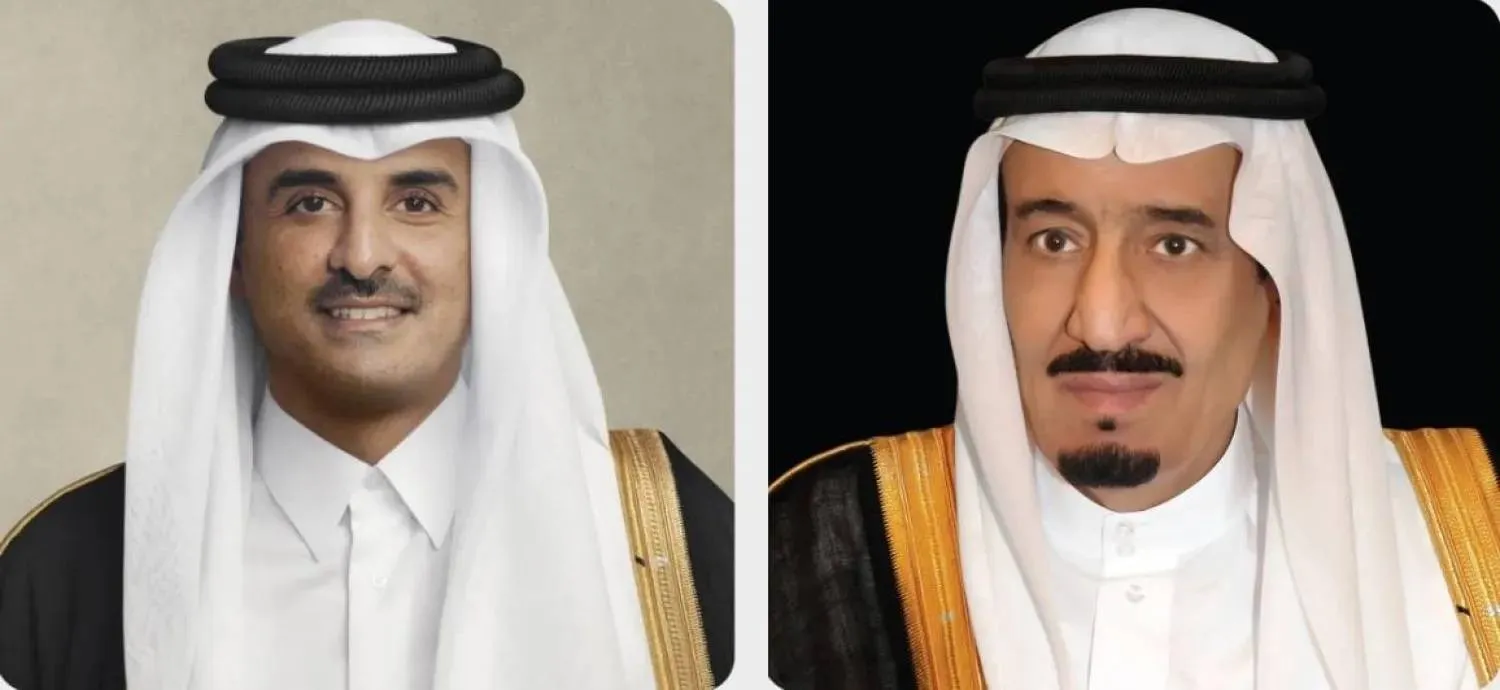
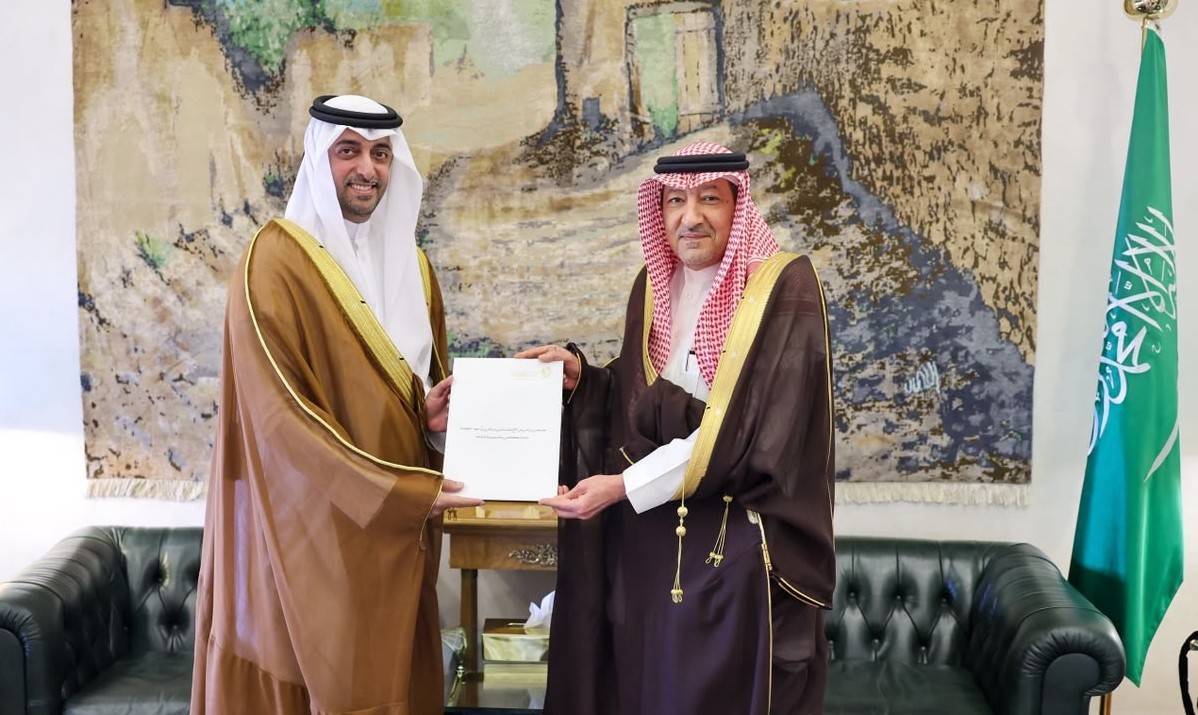
Over the course of more than 130 years, Saudi-Kuwaiti relations have solidified (SPA)
TT

Saudi-Kuwaiti Relations Firmly Established, Shaped by Founding Fathers

Over the course of more than 130 years, Saudi-Kuwaiti relations have solidified (SPA)

For over 130 years, the Saudi-Kuwaiti relations have solidified, intertwining the two nations with a close historical bond characterized by a distinctive nature.

These ties are built upon deep-rooted foundations forged by shared commonalities and historical stances that have been shaped over decades.

Relations between the two Gulf nations are distinguished by their profound historical depth and shared characteristics.

The founding fathers of both nations laid principles that had a significant impact on shaping the Saudi-Kuwaiti political approach.

The historical depth of the Saudi-Kuwaiti relations can be traced back to 1891 when Imam Abdul Rahman Al Faisal Al Saud and his son King Abdulaziz bin Abdul Rahman (may they rest in peace) visited Kuwait.

This visit occurred just before King Abdulaziz reclaimed Riyadh in 1902.

The significance of Saudi-Kuwaiti relations transcends the conventional bounds of international relations between two neighboring countries linked by geographical proximity.

Instead, these ties embrace the concept of “brotherhood, familial bonds, and a shared destiny towards any issues affecting the two nations and the Gulf region as a whole.”

The robust bond between Imam Abdul Rahman Al Faisal and Kuwait’s Sheikh Mubarak Sabah, also known as Mubarak “the Great,” strengthened Saudi-Kuwaiti relations, particularly after Saudi Arabia’s unification under King Abdulaziz.

King Abdulaziz, following in his father’s footsteps, looked to enhance fraternal ties with Kuwait, focusing on political, economic, and cultural development.

Commitment to diverse forms of cooperation with Kuwait endured through the reigns of King Abdulaziz’s successors.

While deep-rooted relations date back to the founding of both Kuwait and Saudi Arabia, Kuwait’s invasion in the 1990s underscored the shared destiny binding the two nations.

Saudi Arabia provided a unique model in international relations when it devoted all resources to rallying the world for the liberation of Kuwait.

In 2018, Saudi Arabia and Kuwait signed the establishment of the “Saudi-Kuwaiti Coordination Council,” an entity encompassing all areas of cooperation and joint efforts between the two countries.

The body aims to translate the strong relations between the two nations into integration, working towards achieving the security, prosperity, and happiness of both peoples.

Established in July 2018, the council seeks to develop a common vision that deepens and sustains the relations between Saudi Arabia and Kuwait, aligning with the goals of the Gulf Cooperation Council (GCC).

It also aims to enhance the integrated economic system, find innovative solutions for optimal utilization of current resources, and build an effective and comprehensive educational system based on the strengths of both nations.

Beyond strengthening cooperation and integration between Riyadh and Kuwait in political, security, and military realms, the council works to ensure the effective implementation of collaboration and partnership opportunities.

Saudi Arabia Condemns RSF Attacks on Civilians and Aid Convoys in Sudan

 An elderly man picks up his food aid ration at the Umdulu Camp, in Engpung County, Sudan, January 30, 2026. (Karl Schembri/Norweigan Refugee Council/Handout via Reuters)
An elderly man picks up his food aid ration at the Umdulu Camp, in Engpung County, Sudan, January 30, 2026. (Karl Schembri/Norweigan Refugee Council/Handout via Reuters)
TT

Saudi Arabia Condemns RSF Attacks on Civilians and Aid Convoys in Sudan

 An elderly man picks up his food aid ration at the Umdulu Camp, in Engpung County, Sudan, January 30, 2026. (Karl Schembri/Norweigan Refugee Council/Handout via Reuters)
An elderly man picks up his food aid ration at the Umdulu Camp, in Engpung County, Sudan, January 30, 2026. (Karl Schembri/Norweigan Refugee Council/Handout via Reuters)

Saudi Arabia strongly condemned on Saturday the Rapid Support Forces’ attack against a humanitarian aid convoy in Sudan’s Kordofan.

A Foreign Ministry statement said the Kingdom expressed its strong condemnation of the attack against Al-Kuweik Military Hospital, a humanitarian aid convoy affiliated with the World Food Program, and a vehicle transporting displaced civilians.

“These acts are unjustifiable under any circumstances and are flagrant violations of all humanitarian norms and relevant international agreements,” it stressed.

“The Kingdom called on the RSF to immediately cease these violations and to fulfill their moral and humanitarian obligations by ensuring the safe and unhindered delivery of humanitarian assistance to those in need, in accordance with international humanitarian law and the Jeddah Declaration signed on May 11, 2023,” it added.

The Kingdom reiterated its firm position in support of Sudan’s unity, security, and stability, the need to preserve its legitimate institutions.

It voiced its rejection of “foreign interference and the continued actions of certain parties in supplying illicit weapons, mercenaries, and foreign fighters, despite their stated support for a political solution,” saying such “conduct is a primary factor in prolonging the conflict and exacerbating the suffering of the Sudanese people.”

A drone attack by the RSF hit a vehicle carrying displaced families in central Sudan Saturday, killing at least 24 people, including eight children, a doctors’ group said, a day after a World Food Program aid convoy was targeted.

The attack occurred close to the city of Rahad in North Kordofan province, said the Sudan Doctors Network, which tracks the country’s ongoing war. The vehicle was transporting displaced people who fled fighting in the Dubeiker area, the group said in a statement. Among the dead children were two infants.


OIC Condemns Terrorist Bombing of Mosque in Islamabad

A Pakistani man reacts as people attend a protest against the suicide bomb blast that killed dozens of people, in Peshawar, Pakistan, 07 February 2026. (EPA)
TT

OIC Condemns Terrorist Bombing of Mosque in Islamabad

A Pakistani man reacts as people attend a protest against the suicide bomb blast that killed dozens of people, in Peshawar, Pakistan, 07 February 2026. (EPA)

The Organization of Islamic Cooperation (OIC) General Secretariat strongly condemned on Saturday the terrorist bombing that targeted a mosque in Islamabad.

The secretariat stressed its categorical rejection of terrorism in all its forms, especially those targeting places of worship.

It underlined its firm stance in condemning these criminal acts, which are contrary to human values and religious principles.

The OIC offered its sincere condolences to the government and people of Pakistan and to the families of the victims.

It also reiterated its full solidarity with Pakistan in its efforts to combat terrorism and boost its security and stability.

At least 30 people killed in a suicide bombing at a Muslim mosque during Friday prayers.


Bahrain, France Sign Defense Cooperation Agreement

Sheikh Nasser bin Hamad Isa Al Khalifa, Bahrain's King Hamad bin Isa Al Khalifa, France's President Emmanuel Macron and Junior Minister at the Ministry of Defense, Alice Rufo, pose after signing a bilateral agreement at the Elysee Palace in Paris, France, February 6, 2026. (Thibault Camus/Pool via Reuter)
TT

Bahrain, France Sign Defense Cooperation Agreement

Sheikh Nasser bin Hamad Isa Al Khalifa, Bahrain's King Hamad bin Isa Al Khalifa, France's President Emmanuel Macron and Junior Minister at the Ministry of Defense, Alice Rufo, pose after signing a bilateral agreement at the Elysee Palace in Paris, France, February 6, 2026. (Thibault Camus/Pool via Reuter)

Bahrain and France signed on Friday a joint defense cooperation agreement during talks between King Hamad bin Isa Al Khalifa met with President Emmanuel Macron in Paris.

The French presidency said the agreement consolidates cooperation in the field of defense, training and exchange of strategic information.

“This agreement will ⁠also open ‌up ‍new ‍opportunities for industrial ‍cooperation in defense, and strengthen solidarity between our two countries in a ⁠global and regional geopolitical context marked by increasing tensions,” it added.

The agreement was signed by Bahrain’s National Security Adviser and Secretary General of the Supreme Defense Council Sheikh Nasser bin Hamad Al Khalifa and France’s Minister Delegate to the Minister of the Armed Forces and Veterans Alice Rufo.

Macron highlighted the depth of the historical relations between Bahrain and France, as well as the progress achieved across various domains in support of common interests, reported Bahrain’s state news agency (BNA).

For his part, King Hamad commended the French president’s keenness to strengthen relations between the two countries.

The talks also addressed means to bolster bilateral relations across all sectors to achieve shared interests.

Both sides commended the efforts of the Joint Bahraini-French High Committee. They highlighted the positive outcomes achieved in advancing cooperation and underlined the importance of continuing the committee’s work to expand cooperation across various domains.

The talks addressed regional and international developments, and efforts aimed at resolving conflicts through dialogue and diplomatic solutions and reducing tensions.
