


NY’s Met Museum Plans Growing Focus on African Art

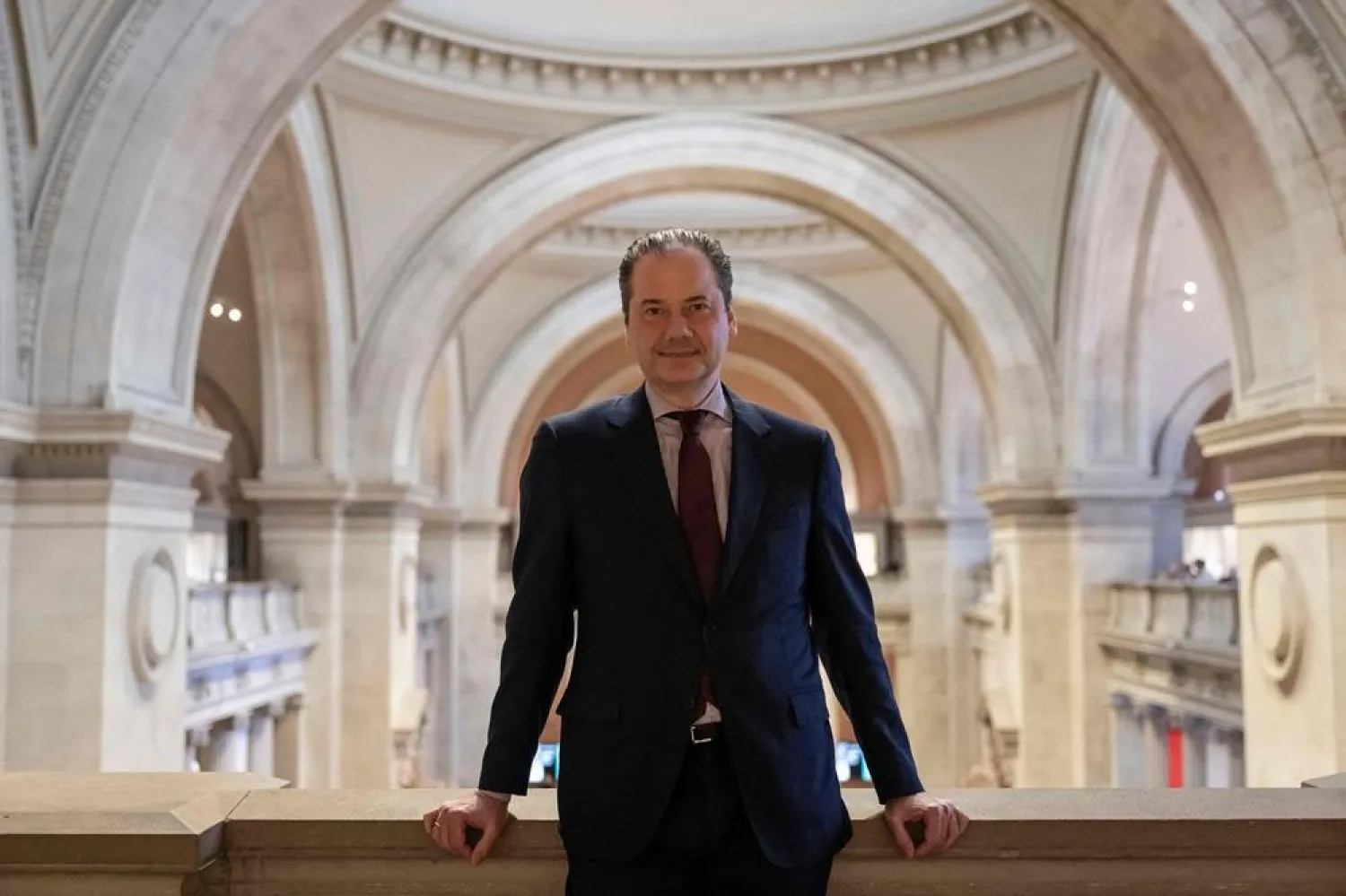
Max Hollein, CEO and Director of the Metropolitan Museum of Art, poses for a portrait at The Met in New York on April 4, 2024. (AFP)
TT

NY’s Met Museum Plans Growing Focus on African Art

Max Hollein, CEO and Director of the Metropolitan Museum of Art, poses for a portrait at The Met in New York on April 4, 2024. (AFP)

New York's prestigious Metropolitan Museum of Art wants to offer its millions of visitors a less Western-centered view of the world, a shift that will highlight works from Africa and the continent's 3,000 years of cultural history.

That shift in perspective will also help the world's fourth most-visited museum -- behind the Louvre, the British Museum and the museums of the Vatican -- attract more African American and diaspora visitors, Met CEO and executive director Max Hollein told AFP in an interview.

The iconic museum, situated on Fifth Avenue across from Central Park since 1870, thus hopes to shine a brighter light on its 4,000 African works, produced by more than 200 cultures from what today are nearly 40 sub-Saharan African countries.

After spending tens of millions on renovations, the Met in spring 2025 will reopen its Michael C. Rockefeller wing, which houses not just African art but also works from the South Pacific and the early Americas.

"We wanted to have a completely new architecture and scenography in showing this work of art, and especially African art," said Hollein, a 54-year-old Austrian art historian and the first European to lead the Met.

He took the Met's reins in July 2023 as it was recovering from a collapse in visitorship during the pandemic. It drew 5.4 million visitors last year, a figure actually 10 percent higher than the pre-Covid 2019 number.

Hollein said the Rockefeller wing, which opened in 1982, already represented a major shift to a "much broader perspective" for the museum, founded and financed by wealthy art lovers, businessmen and collectors of works from Europe, Asia and the Middle East, as well as from ancient Greece and Rome.

A less Eurocentric view

But once the renovated and reimagined African galleries open in 2025, they will mark "another milestone."

The museum wants "to make sure that we don't have just a Western-centric or Eurocentric perspective," Hollein said.

The Met has also extended its reach by negotiating agreements with African counterparts, such as a 2023 accord with Nigeria's National Commission for Museums and Monuments to help it with the digitization and cataloging of its holdings.

Working with African countries, the Met in 2020 organized an ambitious exhibit on the arts of the Sahelian empires of the Middle Ages (Ghana, Mali, Songhai and Segu) and a smaller one, which ended last month, on 1,000 years of influence by the Byzantine empire on the art of the Christians of Egypt, Tunisia, Ethiopia and Sudan.

Hollein said it is time to step back from a Eurocentric view -- to stop "just looking at these objects because they've influenced European modernism so much" or studying Maori sculptures only because "they fascinated French artists of the early 20th century."

African art, American heritage

To deepen his connection to African art and better understand its works in their local context, Hollein traveled in late March to South Africa, Zimbabwe and Tanzania, meeting with museum curators, art historians and contemporary artists.

He also visited some rare archeological sites: Great Zimbabwe, the ruins of a medieval city in that country's south, and the Tanzanian island of Kilwa Kisiwani, where the remains of another medieval city are now recognized as a World Heritage Site by UNESCO.

Videos with updated information on the sites will be shown in the Met's Rockefeller wing.

Eager, like other American and European museums, to appeal to a younger and more diverse public, the Met has turned its attention to the multicultural mosaic that is New York City -- and in particular its population descended from enslaved peoples, as well as more recent arrivals from Africa and the Caribbean.

"It's the art of Africa, but it is basically also the cultural heritage of African Americans in the United States," Hollein said.


Jazan Festival 2026 Kicks Off Thursday with Grand Parade

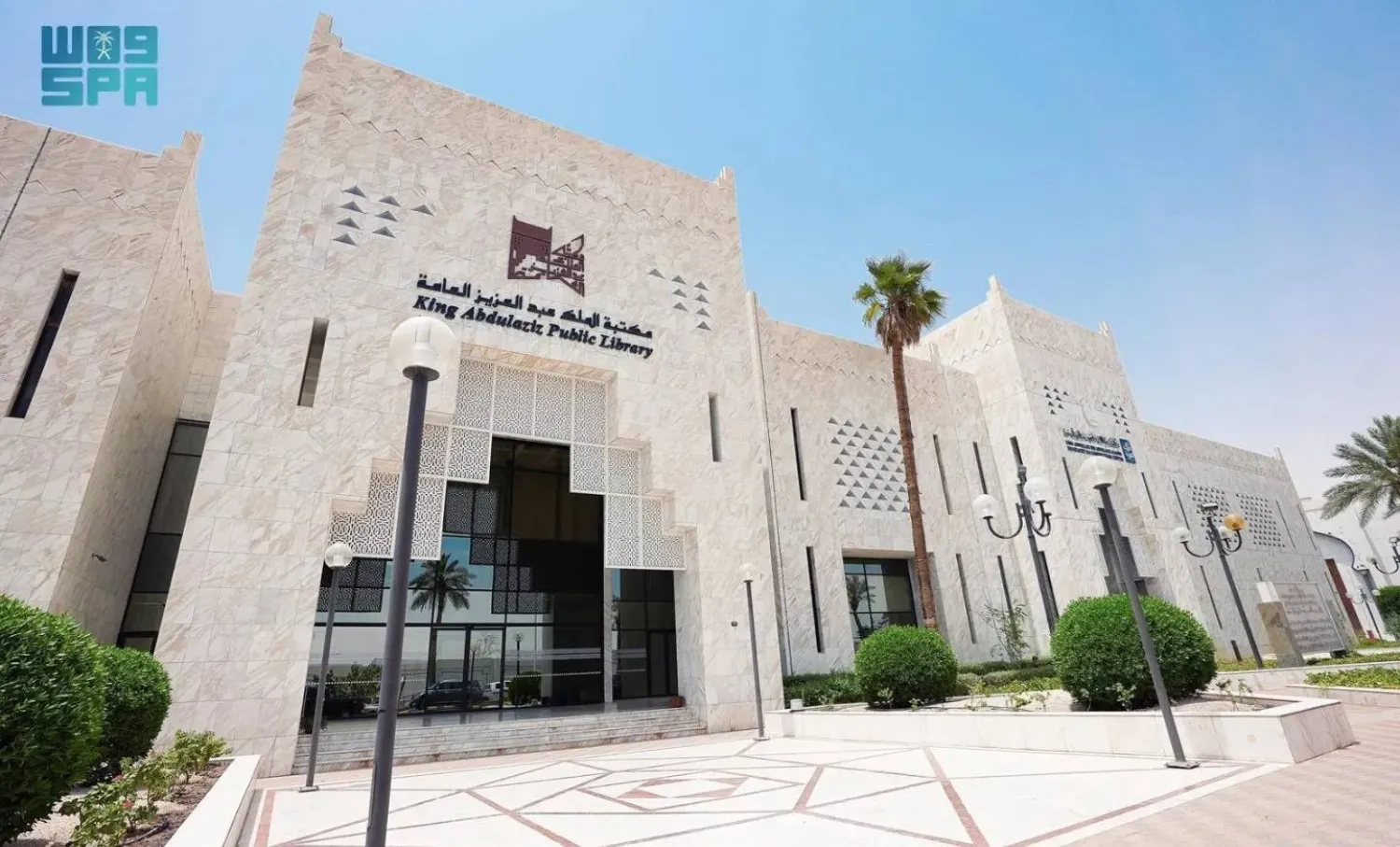
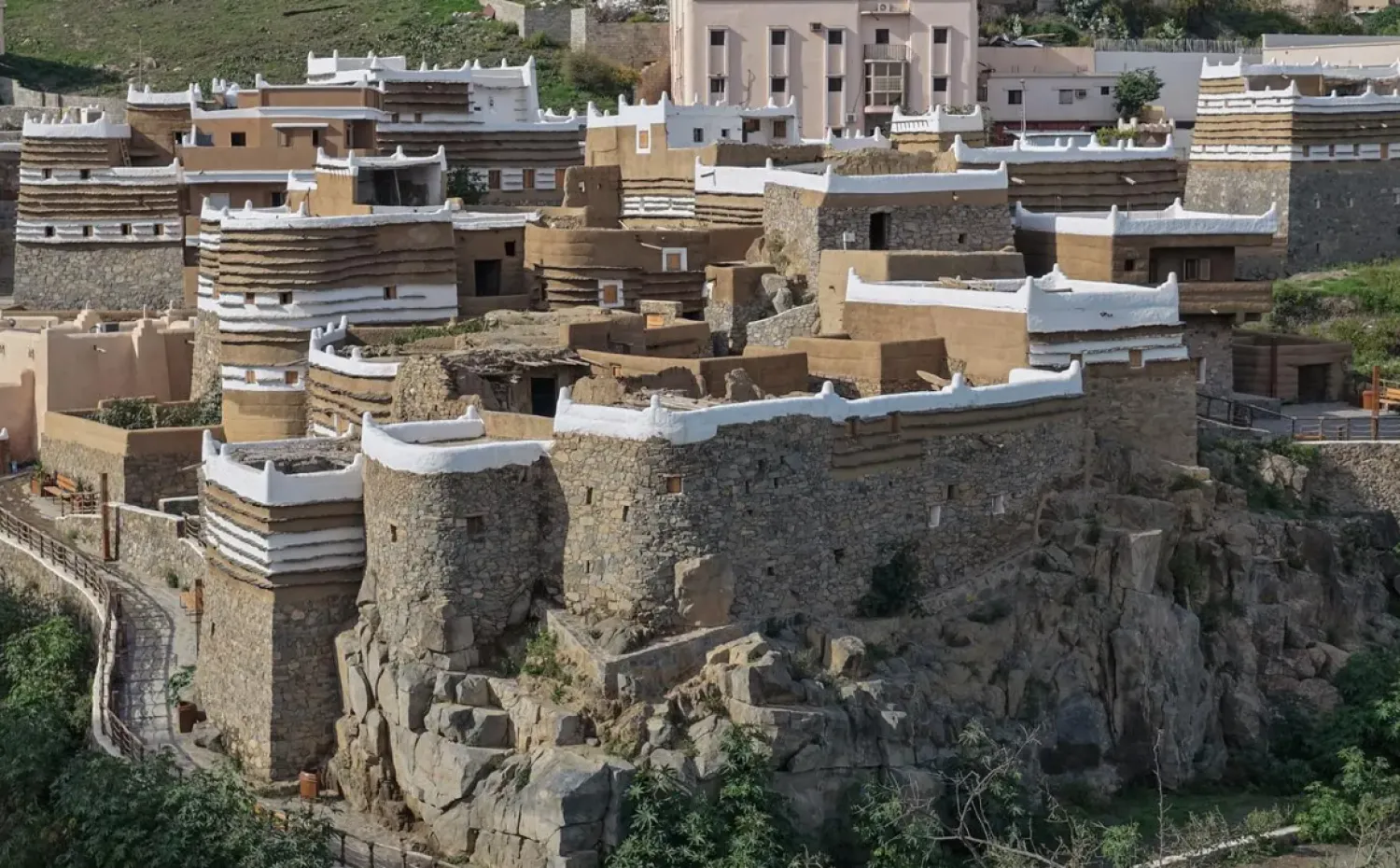
his year’s festival offers an unprecedented experience that brings together the charm of the region’s unique geographic diversity - SPA
TT

Jazan Festival 2026 Kicks Off Thursday with Grand Parade

his year’s festival offers an unprecedented experience that brings together the charm of the region’s unique geographic diversity - SPA

The Jazan Festival 2026 will launch on Thursday in a carnival anticipated by thousands of visitors from within the region and beyond.

The festival will open with a grand celebratory parade starting at 3:45 p.m. along the Jazan city waterfront, signaling the start of an entertainment and cultural season that will extend for several months, according to SPA.

This year’s festival offers an unprecedented experience that brings together the charm of the region’s unique geographic diversity, from its towering green mountains and golden beaches to its picturesque islands, alongside the authenticity of its rich heritage, complemented by modern touches in entertainment programs designed to meet the aspirations of all age groups.

Performing arts inspired by local folklore will add an authentic dimension, while moving installations will flow in harmonious rhythm.

Completing the visual spectacle, integrated light and sound shows will create an enchanting atmosphere before the festivities conclude with a dazzling fireworks display lighting up the Jazan sky in vibrant colors.


UNESCO Chair in Translating Cultures Hosts Lectures on Safeguarding Intangible Cultural Heritage

The program was presented as an advanced knowledge initiative that combined theoretical perspectives with practical application - SPA
TT

UNESCO Chair in Translating Cultures Hosts Lectures on Safeguarding Intangible Cultural Heritage

The program was presented as an advanced knowledge initiative that combined theoretical perspectives with practical application - SPA

The United Nations Educational, Scientific and Cultural Organization (UNESCO) Chair in Translating Cultures at the King Faisal Center for Research and Islamic Studies (KFCRIS), with support from the Literature, Publishing, and Translation Commission, organized a training course and a series of specialized lectures on the translation and safeguarding of intangible cultural heritage, SPA reported.

The program was presented as an advanced knowledge initiative that combined theoretical perspectives with practical application, opening space for in-depth discussion of the challenges of translating intangible heritage as a living, evolving form of culture closely tied to its cultural, social, and performative contexts.

The course and lectures adopted a comprehensive approach that views translation as a cultural tool for preserving oral memory and building bridges between local specificity and the global sphere.

This approach was reflected through applied models, field experiences, and contemporary conceptual frameworks.


Ancient Egyptian Pharaoh’s Boat Is Being Reassembled in Public at Grand Egyptian Museum

People walk next to King Khufu's boat gem, also known as the Solar Boat, as work to restore the second solar boat has started with wooden planks part of the 1,650-piece structure being installed on a metal frame through Egyptian-Japanese cooperation with two Japanese universities, marking the start of preparations for the second boat's public display at the Grand Egyptian Museum (GEM), near the Giza Pyramid Complex, in Giza, Egypt, December 23, 2025.
TT

Ancient Egyptian Pharaoh’s Boat Is Being Reassembled in Public at Grand Egyptian Museum

People walk next to King Khufu's boat gem, also known as the Solar Boat, as work to restore the second solar boat has started with wooden planks part of the 1,650-piece structure being installed on a metal frame through Egyptian-Japanese cooperation with two Japanese universities, marking the start of preparations for the second boat's public display at the Grand Egyptian Museum (GEM), near the Giza Pyramid Complex, in Giza, Egypt, December 23, 2025.

A boat belonging to an Egyptian pharaoh is being assembled in full view at the Grand Egyptian Museum’s exhibition hall.

Staff began piecing together the cedarwood boat, one of two that were found that belong to King Khufu, Tuesday morning as dozens of visitors watched.

The assembly of the 42-meter (137-foot) -long vessel, which sits next to its already-assembled twin that has been on display, is expected to take around four years, according to Issa Zeidan, head of restoration at the Grand Egyptian Museum. It contains 1,650 wooden pieces.

King Khufu ruled ancient Egypt more than 4,500 years ago and built the Great Pyramid of Giza.

“You’re witnessing today one of the most important restoration projects in the 21st century,” said Tourism and Antiquities Minister Sherif Fathy, who attended the event.

The $1 billion museum, also known as GEM, was touted as the world’s largest when it was lavishly inaugurated last month. It's home to nearly 50,000 artifacts, including the collection of treasures from the tomb of the famed King Tutankhamun, which was discovered in 1922. The museum, located near the pyramids at the edge of Cairo, is expected to boost Egypt’s tourism revenues and help bolster its economy.

The boat was one of two discovered in 1954, opposite the southern side of the Great Pyramid. The excavation of its wooden parts began in 2014, according to the museum’s website.

The exact purpose of the boats remains unclear, but experts believe they were either used to transport King Khufu’s body during his funeral or were meant to be used for his afterlife journey with the sun god Ra, according to the museum.