Saudi Arabia Implements Second Phase of Human Trafficking Protection Agreements

Hala bint Mazyad Al-Tuwaijri, President of the Saudi Human Rights Commission, interviewed by the editor-in-chief of Independent Arabia in a seminar on combating human trafficking (SPA)
TT

Saudi Arabia Implements Second Phase of Human Trafficking Protection Agreements

Hala bint Mazyad Al-Tuwaijri, President of the Saudi Human Rights Commission, interviewed by the editor-in-chief of Independent Arabia in a seminar on combating human trafficking (SPA)

Saudi Arabia has started putting into action the second phase agreements of its project to boost efforts in protecting victims of human trafficking.

This initiative is in partnership with the United Nations Office on Drugs and Crime (UNODC) and the International Organization for Migration (IOM).

The announcement came from Hala bint Mazyad Al-Tuwaijri, President of the Saudi Human Rights Commission and Chair of the Committee to Combat Trafficking in Persons, during a seminar in Riyadh.

The seminar, focused on enhancing cooperation in combating human trafficking, gathered local and international experts to discuss challenges and global best practices in fighting these crimes.

It’s part of Saudi Arabia’s efforts, with government and international organization participation, to find better ways to combat and prevent human trafficking.

The seminar looked at laws and institutions, both nationally and internationally, designed to fight human trafficking. It also discussed regional and global agreements that set standards for fighting these crimes.

The goal was to raise awareness about common patterns of trafficking, recent developments, best ways to protect against it, and how to learn from successful global efforts to combat it.

Speakers stressed the need to work together to fight human trafficking and find new ways beyond the usual methods. They talked about the importance of having better ways to identify trafficking and help victims quickly, while also protecting their dignity.

They pointed out that trafficking crosses borders, violates human rights, and takes away freedom and dignity.

They said it’s crucial to have policies that focus on human rights, treat victims equally, and provide them with the care and support they need to integrate back into society.

They also talked about the importance of addressing the reasons behind trafficking and fixing gaps that let traffickers escape punishment, leaving victims without justice.


Saudi Defense Minister, Commander of US Central Command Discuss Defense Cooperation

Saudi Minister of Defense Prince Khalid bin Salman bin Abdulaziz. SPA
TT

Saudi Defense Minister, Commander of US Central Command Discuss Defense Cooperation

Saudi Minister of Defense Prince Khalid bin Salman bin Abdulaziz. SPA

Saudi Minister of Defense Prince Khalid bin Salman bin Abdulaziz met in Riyadh on Thursday with Commander of US Central Command Admiral Brad Cooper.

During the meeting, they discussed defense cooperation between the two countries, efforts to promote security, stability, and peace in the region, and issues of mutual interest.

Several officials attended the meeting.


Saudi Arabia Condemns Israeli Violations in the Region

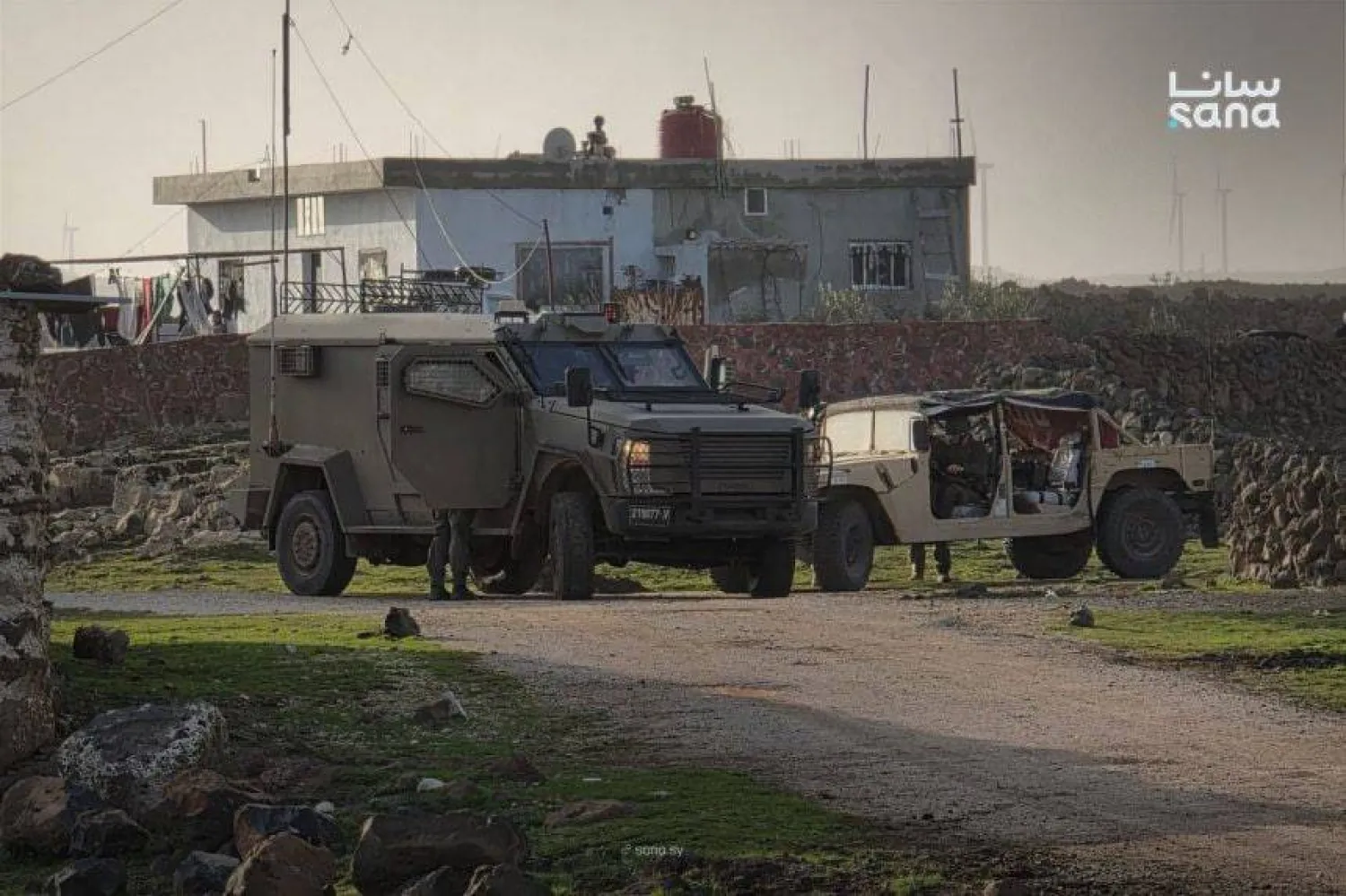
Israeli forces are seen during an incursion in Syria. (SANA file)
TT

Saudi Arabia Condemns Israeli Violations in the Region

Israeli forces are seen during an incursion in Syria. (SANA file)

Saudi Arabia condemned on Wednesday Israel's continued blatant violations in the region, most recently the incursions into the rural areas of Syria's Quneitra and Daraa governorates.

In a statement, the foreign ministry said: "Saudi Arabia expresses its categorical rejection of the Israeli forces' intimidation of peaceful civilians and violations of international laws and norms.”

“It stresses the importance of halting Israeli infringements on the sovereignty of Syrian territory and adhering to the 1974 Disengagement Agreement to preserve security and stability in the region,” it added.

The Kingdom reiterated its support for Syria's sovereignty and territorial integrity.


Saudi Arabia Condemns Iran Attacks on Bahrain, Kuwait, UAE Tanker

Vehicles move on a highway in Kuwait. (AFP)
TT

Saudi Arabia Condemns Iran Attacks on Bahrain, Kuwait, UAE Tanker

Vehicles move on a highway in Kuwait. (AFP)

Saudi Arabia strongly condemned on Wednesday Iran’s attacks on Bahrain, Kuwait and an oil tanker belonging to the United Arab Emirates.

A Foreign Ministry statement underlined Saudi Arabia’s “complete rejection of Iran’s continued aggression against brotherly countries and its threats to freedom of maritime navigation and trade routes.”

It reiterated its call “for an end to such acts of aggression, respect for international law and the principles of good neighborliness, and support for diplomatic efforts aimed at achieving peace and resolving the crisis through negotiations, to safeguard the security and stability of the region and its peoples.”

Secretary-General of the Gulf Cooperation Council (GCC) Jasem Albudaiwi also strongly condemned the attack on Kuwait.

He said Iran’s continuation of its attacks “reflects its persistence in undermining de-escalation efforts, as well as a flagrant disregard for the principles of good neighborliness, the rules of international law, and the United Nations Charter.”

He called on the international community “to assume its responsibilities toward these grave and repeated Iranian assaults and to take effective measures to halt them, ensuring respect for state sovereignty and preserving peace and security in the region.”

Albudaiwi reiterated the GCC states’ “full and steadfast solidarity with Kuwait, standing united by its side and backing all measures it takes to protect its security and stability, safeguard its sovereignty and assets, and ensure the safety of its citizens and residents on its territory.”