
Leader of Iraq’s Ansar al-Marjaiya faction Hamid al-Yasiri called on Friday for new protests in the city of Samawah in the al-Muthanna province near the border with Saudi Arabia.
The province is Iraq’s least populated and most impoverished, with nearly 50 percent of the population living in poverty, according to official figures.
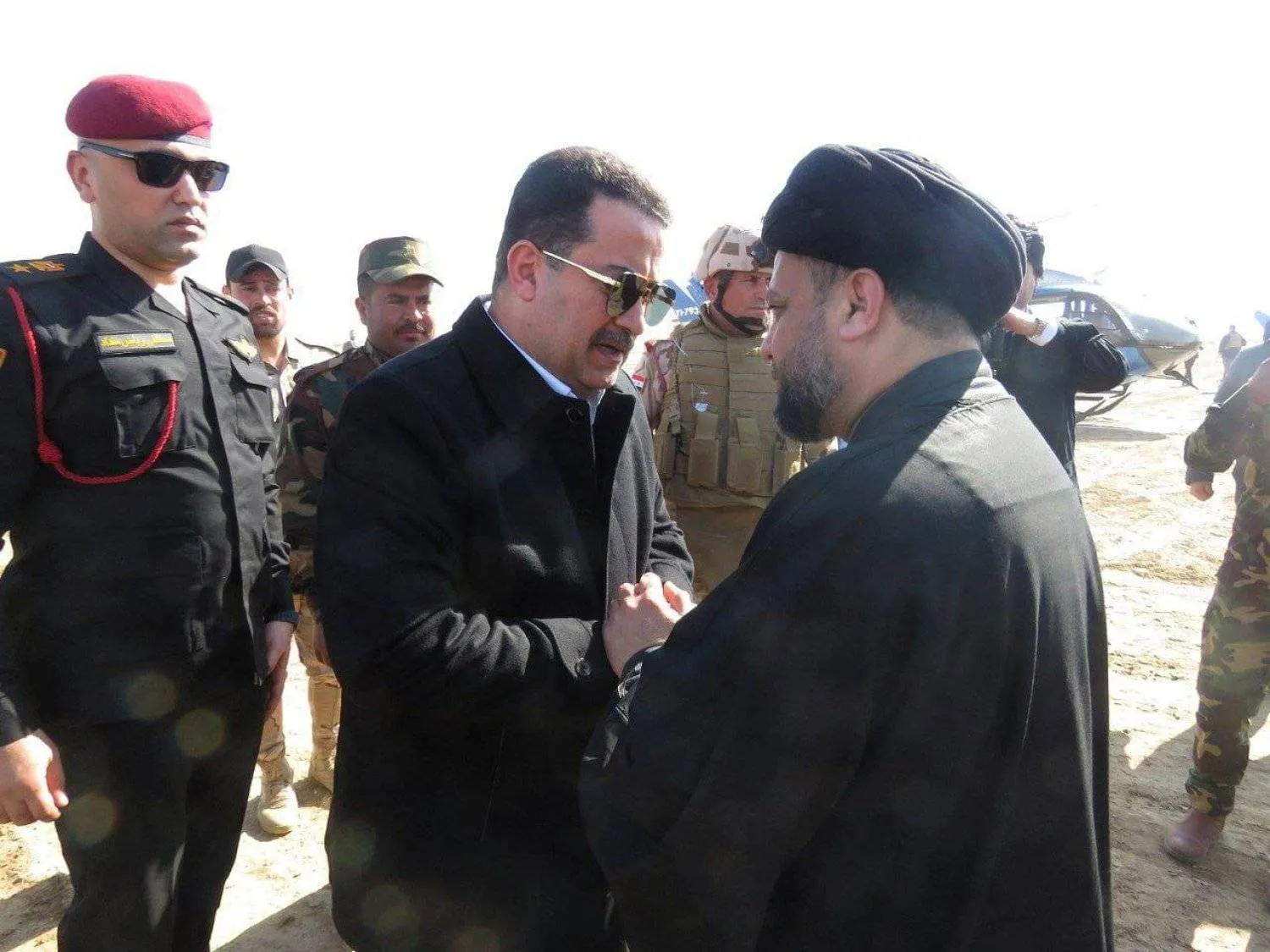
Yasiri, a senior cleric, was close to Shiite Authority Ali al-Sistani, before joining the fight against ISIS in wake of a religious fatwa, or edict, issued by Sistani to fight the extremist group in 2014.
An informed source told Asharq Al-Awsat that Yasiri left his position as a senior religious authority after joining the fight because he could no longer maintain this position while also leading an armed unit against ISIS.
The source added that Yasiri still boasts “close” ties with Sistani, while others said he now takes decisions without returning to him first, as demonstrated by his call for protests.
Yasiri called on the federal parliament and Prime Minister Mohammed Shi al-Sudani to “dispatch” an honest military ruler to run al-Muthanna.
The development took place some six months after the province formed its local government. The governor is loyal to former PM Nouri al-Maliki's State of Law coalition.
Yasiri explained that his call for a military ruler stems from the need to fight corruption in the province and throughout Iraq.
“The call was not the product of a moment. (...) I have spent my whole life fighting the corrupt and corruption,” he declared, referring to his support to the October 2019 anti-government protests.
Yasiri pledged that the new protests will be lawful and protected by the security forces. They will be held in front of the provincial council building.
He set Wednesday as a deadline for “expelling” corrupt officials from office, namely the governor and council, whom he said “don’t represent the masses and only work for their parties.”
Activist and lawyer Aqeel al-Arad said Yasiri’s protest call was prompted by reports that economic committees affiliated with various parties had returned to resume their work in wake of the formation of the provincial council and appointment of a new governor. They both have since imposed new fees on projects in the province.
In remarks to Asharq Al-Awsat, al-Arad said Yasiri was seeking to exert pressure to put an end to corruption because ultimately, the appointment of a military ruler is unconstitutional.
He revealed that several figures in Baghdad contacted Yasiri to discourage him from going ahead with the protests, vowing that they would fulfill his demands for reform and combating corruption.
Yasiri, however, dismissed them, saying the rallies will be held as scheduled, adding that he enjoys popular support in the province given his good reputation and lack of affiliation with any ruling party.
Al-Arad said it remains to be seen if the protests will spread to other provinces, but the leaders of the former protests have thrown their support behind Yasiri.
Yasiri’s Ansar al-Marjaiya broke away from the pro-Iran Popular Mobilization Forces (PMF) due his strained relations with them and started following the commander of the armed forces years ago.
In 2020, he launched a scathing criticism of these groups and the majority of powerful parties in Iraq, saying the country was a “victim of conspiracies of the damned corrupt ruling elite. Their religion is heresy, their slogan corruption and ideology is violating the rights of the people.”