


GACA Reports Significant Growth in Air Travel in Saudi Arabia

GACA Reports Significant Growth in Air Travel in Saudi Arabia
TT

GACA Reports Significant Growth in Air Travel in Saudi Arabia

GACA Reports Significant Growth in Air Travel in Saudi Arabia

Saudi Arabia's General Authority of Civil Aviation (GACA) released air-traffic statistics showing significant growth in the number of passengers and flights in the Kingdom during the first half of 2024 compared to the same period in 2023.

According to the figures, there was a 17% increase in the number of passengers over the past six months, reaching around 62 million, compared to 53 million during the same period last year.

The number of flights also reached approximately 446,000, marking a 12% increase compared to 399,000 flights during the same period last year.

The airfreight volume in the first six months of 2024 witnessed a 41% increase, reaching 606,000 tons compared to 430,000 in the same period of 2023.

During the first half of this year, GACA launched several development projects, including the development and expansion of Prince Mohammad bin Abdulaziz International Airport, the inauguration of the development and expansion of Al-Ahsa International Airport, the launch of the new additional international departure terminal at Taif International Airport, and the introduction of the self-driving air taxi experience for the first time during the Hajj season.

Furthermore, the authority granted the first operating permit for building cleaning using drones, which illustrates its commitment to enabling safe and innovative advanced air mobility solutions. It also launched a knowledge-testing center for aviation personnel and the first phase of electronic gates at King Khalid International Airport in Riyadh.

GACA won two gold awards for Best Customer Service and Best Public Service Center in Europe, the Middle East, and Africa (EMEA) region, the Consumer Protection Association award for excellence in protecting passengers' rights, and the certificate in the quality management system for monitoring flight safety and environmental sustainability.

The aviation sector saw several achievements in the past six months, including 16 Saudi airports obtaining the Airports Council International (ACI) Airport Service Quality (ASQ) accreditation for 2024.

Saudi airports continued their progress in ranking among the top 50 airports worldwide, as announced in the evaluation results of the international air transport rating organization Skytrax. Prince Mohammad bin Abdulaziz International Airport in Madinah won the first-place award as the best regional airport in the Middle East during the Skytrax World Airport Awards ceremony held in Frankfurt, Germany.

The King Abdulaziz International Airport in Jeddah achieved the highest ratings on the Airports Council International list for 2023. The King Fahd International Airport in Dammam won three of the Saudi Airports Awards for 2023, including the award for the best airport in the category 5-15 million passengers, the award for the best customs inspection area, and the award for the best services for people with disabilities.

SAUDIA also received recognition, winning awards for being the most advanced airline in the world and having the best economy-class catering for 2024 in the Skytrax global ranking.

According to Skytrax, Flynas was crowned the fourth-best low-cost airline in the world for the second consecutive year and the first in the Middle East for the seventh consecutive year, the most important global benchmark for measuring airline performance.

All these achievements are part of the initiatives and programs launched by GACA, aiming to contribute to the development of the air transport industry locally, regionally, and internationally, in line with the National Strategy for the Civil Aviation Sector.

The strategy aims to make the aviation sector in the Kingdom the first in the Middle East by reaching 330 million passengers, increasing air freight capacity to 4.5 million tons, and raising air connectivity to reach 250 destinations to and from Saudi airports by 2030.

Saudi Aramco Achieves 70% Local Content Target through iktva Program

Saudi Aramco Achieves 70% Local Content Target through iktva Program
TT

Saudi Aramco Achieves 70% Local Content Target through iktva Program

Saudi Aramco Achieves 70% Local Content Target through iktva Program

Saudi Aramco announced on Wednesday that its supply chain transformation program, iktva (In-Kingdom Total Value Add), has achieved its target of reaching 70% local content.

Building on this milestone, the company said that it plans to increase local content in its goods and services procurement to 75% by 2030.

Since its launch, the iktva program has contributed more than $280 billion to the Kingdom’s gross domestic product, reinforcing its role as a key driver of industrial development, economic diversification, and long-term financial resilience.

Through the localization of goods and services, the program has strengthened the resilience and reliability of Aramco’s supply chains, enhanced operational continuity, reduced supply chain vulnerabilities, and provided protection against global cost inflation - capabilities that proved critical during periods of disruption.

Aramco President and CEO Amin Nasser expressed pride in the scale of transformation achieved through iktva and its positive impact on the Kingdom’s economy, noting that the announcement represents a major milestone in the program’s journey and reflects a significant leap in Saudi Arabia’s industrial development, fully aligned with the Kingdom’s national vision.

“iktva is a core pillar of Aramco’s strategy to build a competitive national industrial ecosystem that supports the energy sector while enabling broader economic growth and creating thousands of job opportunities for Saudi nationals,” he stressed.

By localizing supply chains, the program ensures operational reliability and mitigates disruptions that may affect global supply chains, he added, noting that its cumulative impact over a decade demonstrates the sustained value it continues to generate.

Over the past decade, iktva has emerged as a leading example of supply-chain-driven economic transformation, converting Aramco’s project spending into domestic economic multipliers that have created jobs, improved productivity, stimulated exports, and strengthened supply chain resilience.

The program has identified more than 200 localization opportunities across 12 key sectors, representing an annual market value of $28 billion. These opportunities have translated into tangible investment outcomes, catalyzing more than 350 investments from 35 countries in new manufacturing facilities within the Kingdom, supported by approximately $9 billion in capital. These investments have enabled the local manufacture of 47 strategic products in Saudi Arabia for the first time.

iktva has also contributed to the creation of more than 200,000 direct and indirect jobs across the Kingdom, further strengthening the local industrial base and national capabilities. To support continued growth, the program organized eight regional supplier forums worldwide in 2025, in addition to its biennial forum. These events helped connect global investors, manufacturers, and suppliers with localization opportunities in Saudi Arabia.


AirAsia X Unveils Kuala Lumpur-Bahrain-London Route

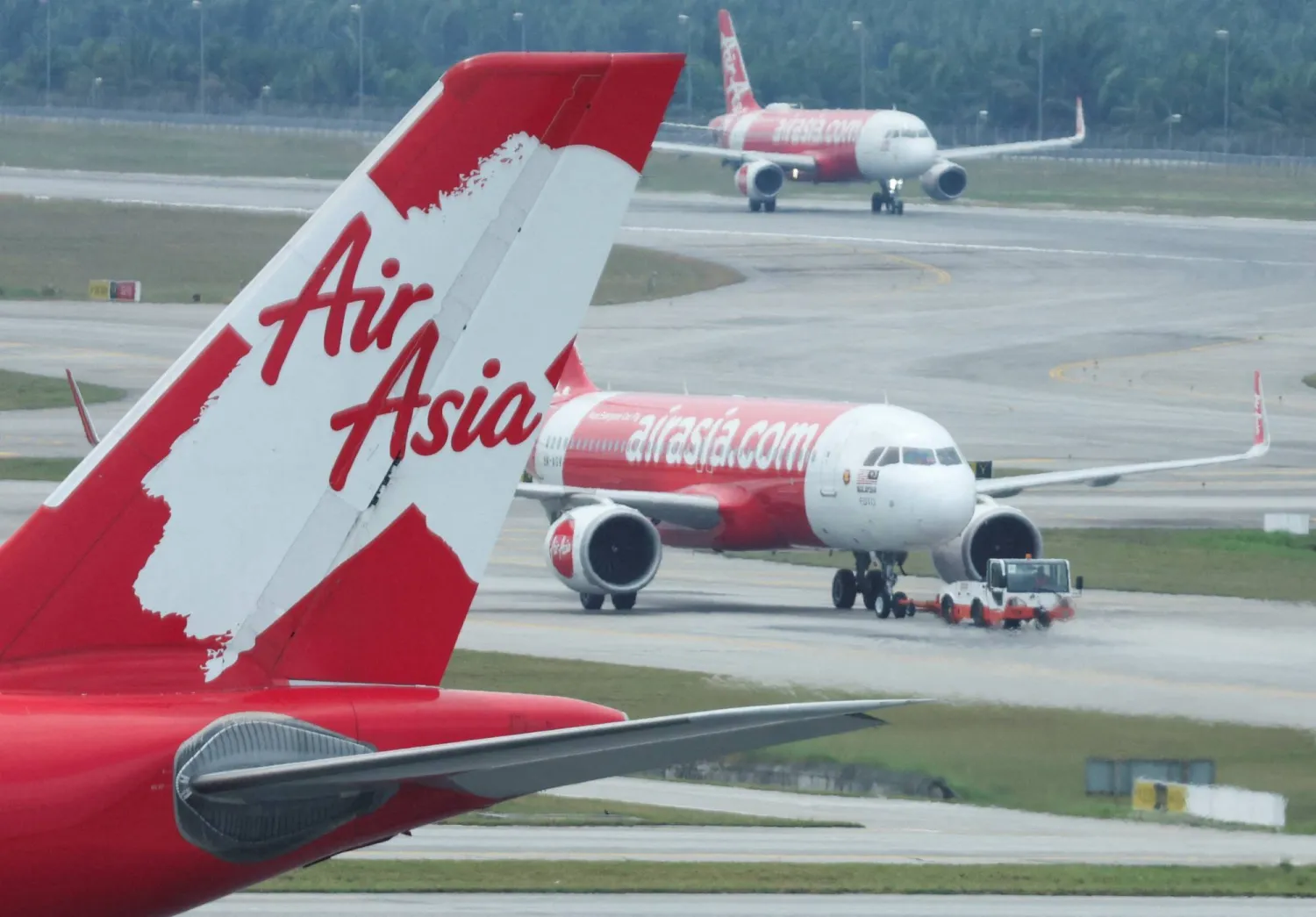
FILE PHOTO: Planes from AirAsia are seen on the tarmac of Kuala Lumpur International Airport Terminal 2 (KLIA2) in Sepang, Malaysia, February 26, 2024. REUTERS/Hasnoor Hussain/File Photo
TT

AirAsia X Unveils Kuala Lumpur-Bahrain-London Route

FILE PHOTO: Planes from AirAsia are seen on the tarmac of Kuala Lumpur International Airport Terminal 2 (KLIA2) in Sepang, Malaysia, February 26, 2024. REUTERS/Hasnoor Hussain/File Photo

Malaysian budget carrier AirAsia X on Wednesday unveiled plans to resume flights from Kuala Lumpur to London via a new hub in Bahrain, using the extended range of narrow-body jets to stitch fresh routes alongside established carriers.

The service, due to start in June, would make Bahrain AirAsia X's first hub outside Asia, placing it within reach of busy markets in Southeast Asia, the Middle East and Europe.

It also marks a ‌return to ‌the British capital more than a decade after the airline suspended ‌non-stop ⁠flights from Kuala Lumpur ⁠and retired its Airbus A340 jets.

Co-founder Tony Fernandes said Bahrain could become a regional gateway for underserved secondary cities across Asia, Africa and Europe.

"While ... of course London is a very emotional destination for many people in Southeast Asia, the real aim is to have a bunch of A321s flying maybe 15 times a day to Bahrain," he told Reuters in an interview.

"From Bahrain, you connect to Africa and Europe with a big emphasis ⁠on creating connectivity that doesn't exist."

The move follows Asia's ‌largest low-cost carrier completing its acquisition of the short-haul ‌aviation business from parent Capital A, bringing the group's seven airlines under one umbrella.

Fernandes, also CEO ‌of Capital A, stressed the importance of the Airbus A321XLR, an extra-long-range narrow-body aircraft ‌he said would let the airline replicate its Asian low-cost model on intercontinental routes.

"That aircraft enables me to start thinking we can do what we did in Asia to Europe and Africa," he said, citing potential secondary routes such as Penang to Cologne or Prague.

AirAsia plans to ‌redeploy its larger A330s to longer routes while building up the Bahrain hub, with possible African destinations including the Maghreb region, Egypt, ⁠Morocco, Tanzania and Kenya. ⁠A Bangkok-to-Europe route is also under consideration.

Fernandes played down direct competition with Gulf carriers such as Emirates and Qatar Airways, positioning AirAsia X as a budget option aimed at a different market.

"I'm all about stimulating a new market," he said. "We've got into our little playground (of) 3 billion people, most of them have not been to Europe."


Von der Leyen: EU Must 'Tear Down Barriers' to Become 'Global Giant'

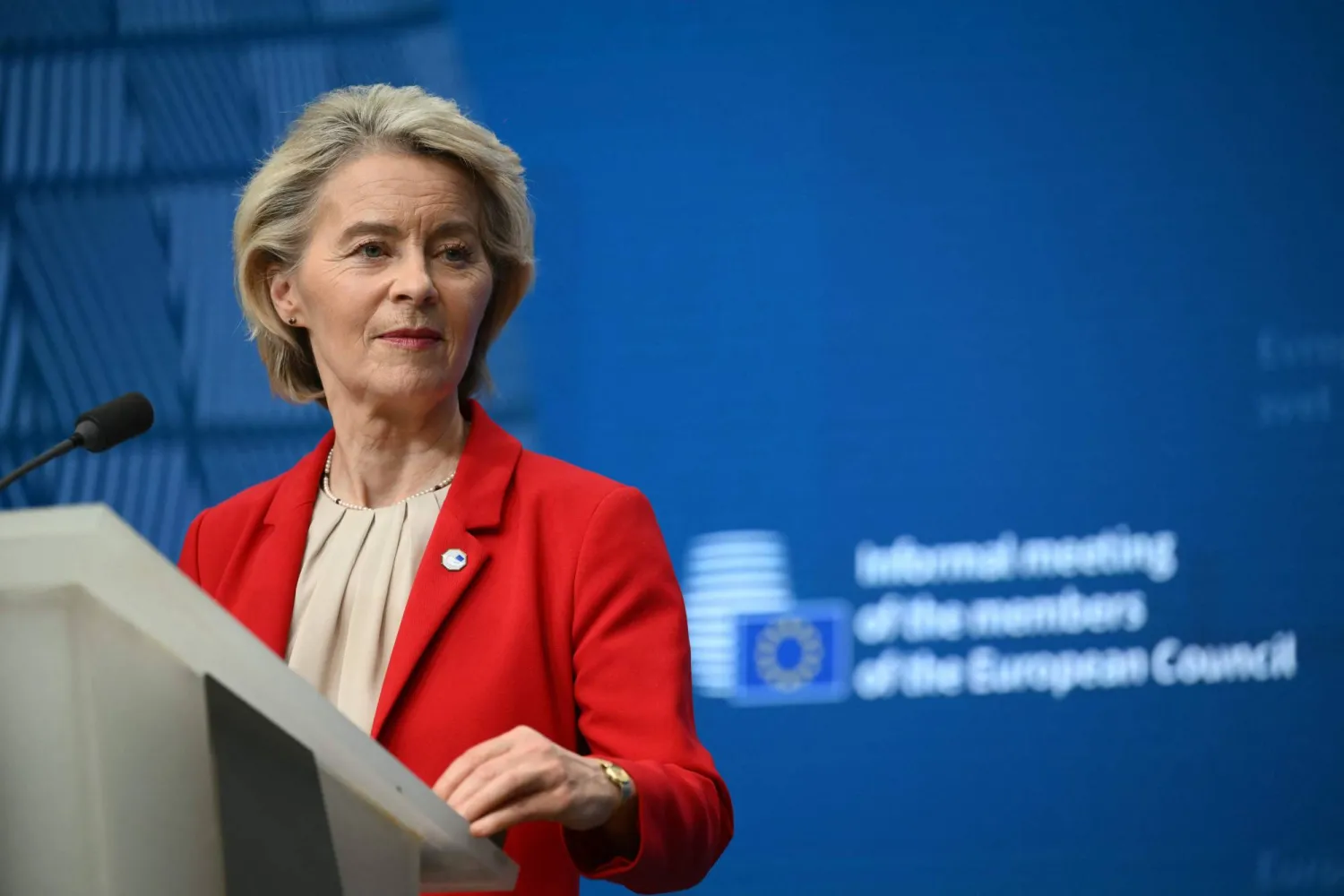
(FILES) European Commission President Ursula von der Leyen delivers a speech in Brussels, on January 22, 2026. (Photo by NICOLAS TUCAT / AFP)
TT

Von der Leyen: EU Must 'Tear Down Barriers' to Become 'Global Giant'

(FILES) European Commission President Ursula von der Leyen delivers a speech in Brussels, on January 22, 2026. (Photo by NICOLAS TUCAT / AFP)

The EU must "tear down the barriers" that prevent it from becoming a truly global economic giant, European Commission chief Ursula von der Leyen said Wednesday, ahead of leaders' talks on making the 27-nation bloc more competitive.

"Our companies need capital right now. So let's get it done this year," the commission president told EU lawmakers as she outlined key steps to bridging the gap with China and the United States.

"We have to make progress one way or the other to tear down the barriers that prevent us from being a true global giant," she said, calling the current system "fragmentation on steroids."

Reviving the moribund EU economy has taken on greater urgency in the face of geopolitical shocks, from US President Donald Trump's threats and tariffs upending the global trading to his push to seize Greenland from Denmark.

AFP said that Von der Leyen delivered her message before heading with EU leaders including France's Emmanuel Macron and Germany's Friedrich Merz to a gathering of industry executives in Antwerp, held on the eve of a summit on bolstering the bloc's economy.

A key issue identified by the EU is the fact that European companies face difficulties accessing capital to scale up, unlike their American counterparts.

To tackle this, Plan A would be to advance together as 27 states, von der Leyen said, but if they cannot reach agreement, the EU should consider "enhanced cooperation" between those countries that want to.

Von der Leyen said Europe should ramp up its competitiveness by "stepping up production" on the continent and "by expanding our network of reliable partners", pointing to the importance of signing trade agreements.

After recent deals with South American bloc Mercosur and India, she said more were on their way -- with Australia, Thailand, the Philippines and the United Arab Emirates.

One of the biggest -- and most debated -- proposals for boosting the EU's economy is to favor European firms over foreign rivals in "strategic" fields, which von der Leyen supports.

"In strategic sectors, European preference is a necessary instrument... that will contribute to strengthen Europe's own production base," she said -- while cautioning against a "one-size-fits-all" approach.

France has been spearheading the push, but some EU nations like Sweden are wary of veering into protectionism and warn Brussels against going too far.

The EU executive will also next month propose the 28th regime, also known as "EU Inc", a voluntary set of rules for businesses that would apply across the European Union and would not be linked to any particular country.

Brussels argues this would make it easier for companies to work across the EU, since the fragmented market is often blamed for why the economy is not better.

The commission is also engaged in a massive effort to cut red tape for firms, which complain EU rules make it harder to do business -- drawing accusations from critics that Brussels is watering down key legislation on climate in particular.