
Hamas Official Slams Israeli 'Refusal' of Gaza Deal Over Border Troops

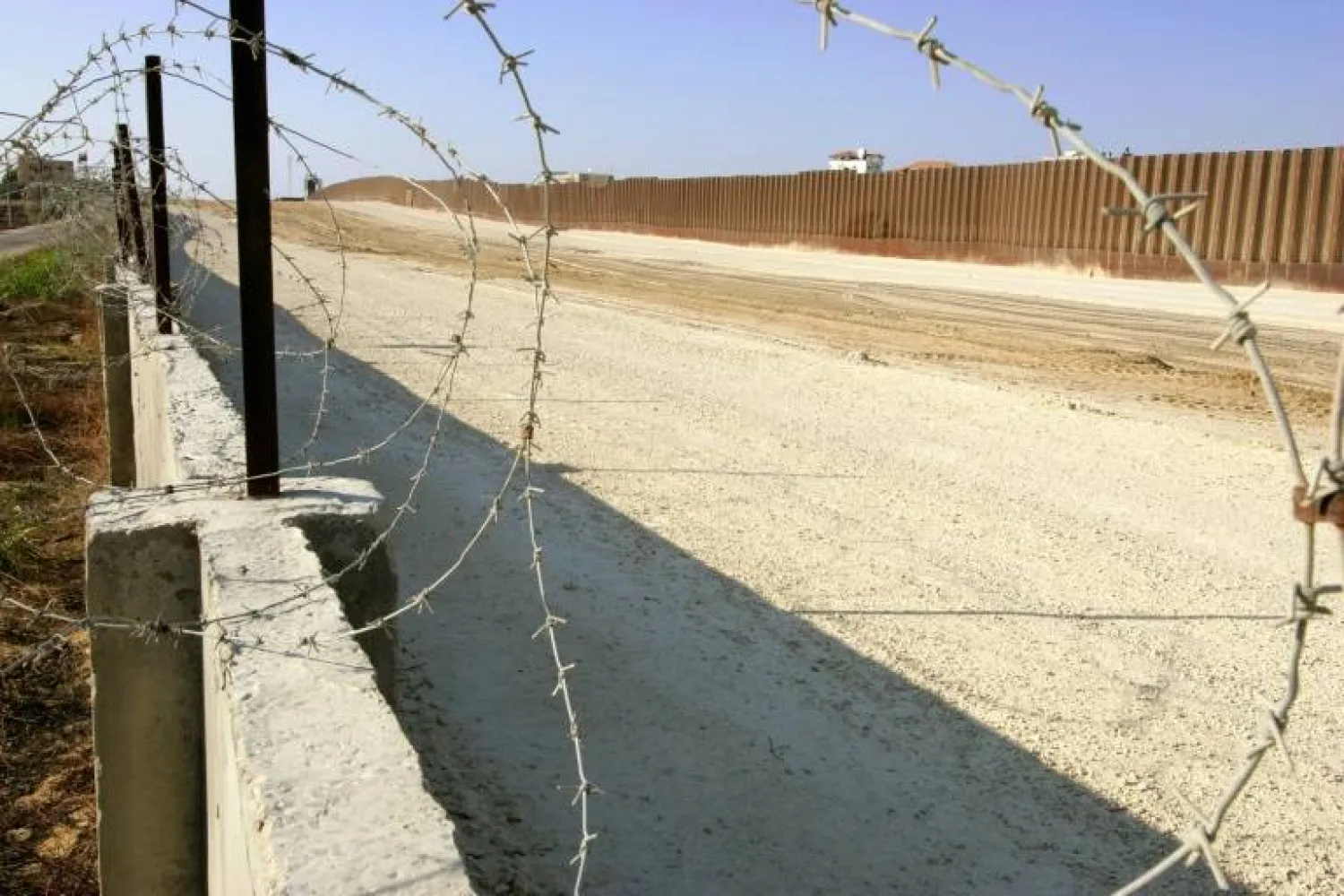
The Philadelphi Corridor, pictured here in 2005, has become a sticking point in Gaza truce talks - AFP
TT

Hamas Official Slams Israeli 'Refusal' of Gaza Deal Over Border Troops

The Philadelphi Corridor, pictured here in 2005, has become a sticking point in Gaza truce talks - AFP

A Hamas official on Friday accused Israel's prime minister of refusing to agree to a final truce accord for Gaza, where the presence of Israeli troops on the Egyptian border remained a major sticking point.

An Israeli team was in Cairo "negotiating to advance a hostage (release) agreement", Prime Minister Benjamin Netanyahu's spokesman Omer Dostri told AFP late on Thursday.

But Hamas representatives were not taking part and an official from the Islamist movement, Hossam Badran, told AFP on Friday that Netanyahu's insistence that troops remain on the Philadelphi border strip reflects "his refusal to reach a final agreement".

Egypt with fellow mediators Qatar and the United States have for months tried to reach a deal to end more than 10 months of war between Israel and the Palestinian movement Hamas in Gaza.

Top US diplomat Antony Blinken visited the region this week to emphasise the urgency of an agreement.

Witnesses on Friday reported combat in the territory's north, heavy shelling in the centre, and tank fire in the far south near Rafah city.

The United Nations said tens of thousands of civilians have been on the move again this week from Deir el-Balah and the southern city of Khan Yunis after Israeli military evacuation orders, which precede military operations.

The war has displaced about 90 percent of Gaza's population, often multiple times, leaving them deprived of shelter, clean water and other essentials as disease spreads, the UN says.

"Civilians are exhausted and terrified, running from one destroyed place to another, with no end in sight," Muhannad Hadi, the UN humanitarian coordinator for the Palestinian territories, said late Thursday.

"This cannot continue," he said.

Israel's military on Friday said that over the past day troops had "eliminated dozens" of militants around Khan Yunis and Deir el-Balah, in central Gaza.

In April the military had pulled troops out of Khan Yunis after months of devastating fighting, yet has found itself having to resume operations there, leaving civilians feeling they have nowhere to turn.

"This is no way to live," said Haitham Abdelaal.

ommand said on Thursday.


Atrocities in Sudan's El-Fasher were 'Preventable Human Rights Catastrophe'

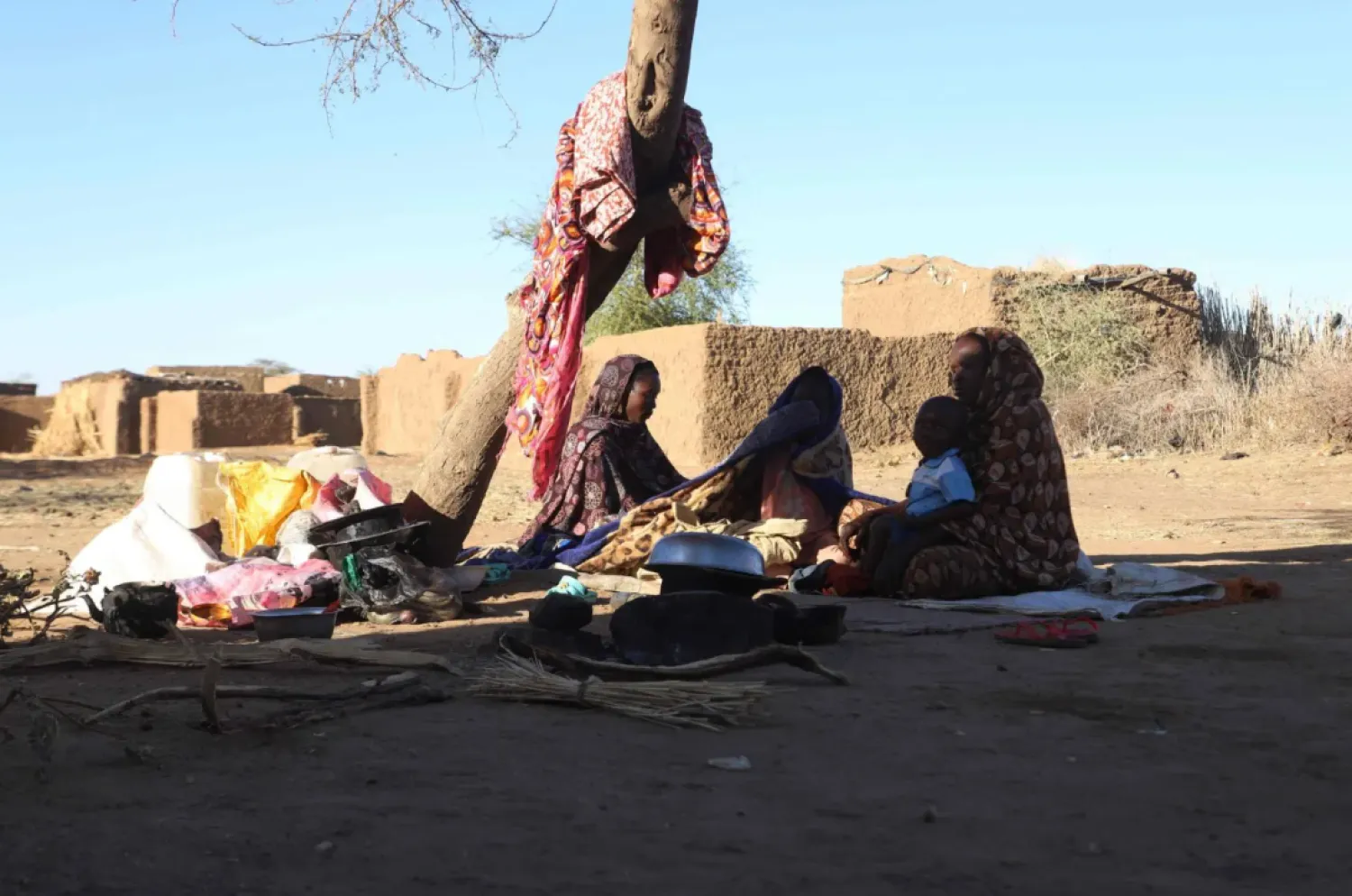
Sudanese displaced people who left El Fasher after its fall, sit in the shade in Tawila at the Rwanda camp reception point on December 17, 2025. (Photo by AFP)
TT

Atrocities in Sudan's El-Fasher were 'Preventable Human Rights Catastrophe'

Sudanese displaced people who left El Fasher after its fall, sit in the shade in Tawila at the Rwanda camp reception point on December 17, 2025. (Photo by AFP)

The atrocities unleashed on El-Fasher in Sudan's Darfur region last October were a "preventable human rights catastrophe", the United Nations said Monday, warning they now risked being repeated in the neighbouring Kordofan region.

"My office sounded the alarm about the risk of mass atrocities in the besieged city of El-Fasher for more than a year ... but our warnings were ignored," UN rights chief Volker Turk told the Human Rights Council in Geneva.

He added that he was now "extremely concerned that these violations and abuses may be repeated in the Kordofan region".


Arab League Condemns Israel's Decisions to Alter Legal, Administrative Status of West Bank

A general view shows the opening session of the meeting of Arab foreign ministers at the Arab League Headquarters (Reuters)
TT

Arab League Condemns Israel's Decisions to Alter Legal, Administrative Status of West Bank

A general view shows the opening session of the meeting of Arab foreign ministers at the Arab League Headquarters (Reuters)

The General Secretariat of the Arab League strongly condemned decisions by Israeli occupation authorities to impose fundamental changes on the legal and administrative status of the occupied Palestinian territories, particularly in the West Bank, describing them as a dangerous escalation and a flagrant violation of international law, international legitimacy resolutions, and signed agreements, SPA reported.

In a statement, the Arab League said the measures include facilitating the confiscation of private Palestinian property and transferring planning and licensing authorities in the city of Hebron and the area surrounding the Ibrahimi Mosque to occupation authorities.

It warned of the serious repercussions of these actions on the rights of the Palestinian people and on Islamic and Christian holy sites.

The statement reaffirmed the Arab League’s firm support for the legitimate rights of the Palestinian people, foremost among them the establishment of their independent state on the June 4, 1967 borders, with East Jerusalem as its capital.


UN: 53 Migrants Dead or Missing in Shipwreck Off Libya

(FILES) Migrants sit on board a RHIB (Rigid inflatable boat) after being evacuated by crew members of the “Ocean Viking” rescue ship from the oil tanker the 'Maridive 703' in the search-and-rescue zone of the international waters between Malta and Tunisia, on December 31, 2025. (Photo by Sameer Al-DOUMY / AFP)
TT

UN: 53 Migrants Dead or Missing in Shipwreck Off Libya

(FILES) Migrants sit on board a RHIB (Rigid inflatable boat) after being evacuated by crew members of the “Ocean Viking” rescue ship from the oil tanker the 'Maridive 703' in the search-and-rescue zone of the international waters between Malta and Tunisia, on December 31, 2025. (Photo by Sameer Al-DOUMY / AFP)

The UN migration agency on Monday said 53 people were dead or missing after a boat capsized in the Mediterranean Sea off the Libyan coast. Only two survivors were rescued.

The International Organization for Migration said the boat overturned north of Zuwara on Friday.

"Only two Nigerian women were rescued during a search-and-rescue operation by Libyan authorities," the IOM said in a statement, adding that one of the survivors said she lost her husband and the other said "she lost her two babies in the tragedy.”

According to AFP, the IOM said its teams provided the two survivors with emergency medical care upon disembarkation.

"According to survivor accounts, the boat -- carrying migrants and refugees of African nationalities departed from Al-Zawiya, Libya, at around 11:00 pm on February 5. Approximately six hours later, it capsized after taking on water," the agency said.

"IOM mourns the loss of life in yet another deadly incident along the Central Mediterranean route."

The Geneva-based agency said trafficking and smuggling networks were exploiting migrants along the route from north Africa to southern Europe, profiting from dangerous crossings in unseaworthy boats while exposing people to "severe abuse.”

It called for stronger international cooperation to tackle the networks, alongside safe and regular migration pathways to reduce risks and save lives.