


Israel Battles Hamas in Gaza as Space for Displaced Families Narrows 

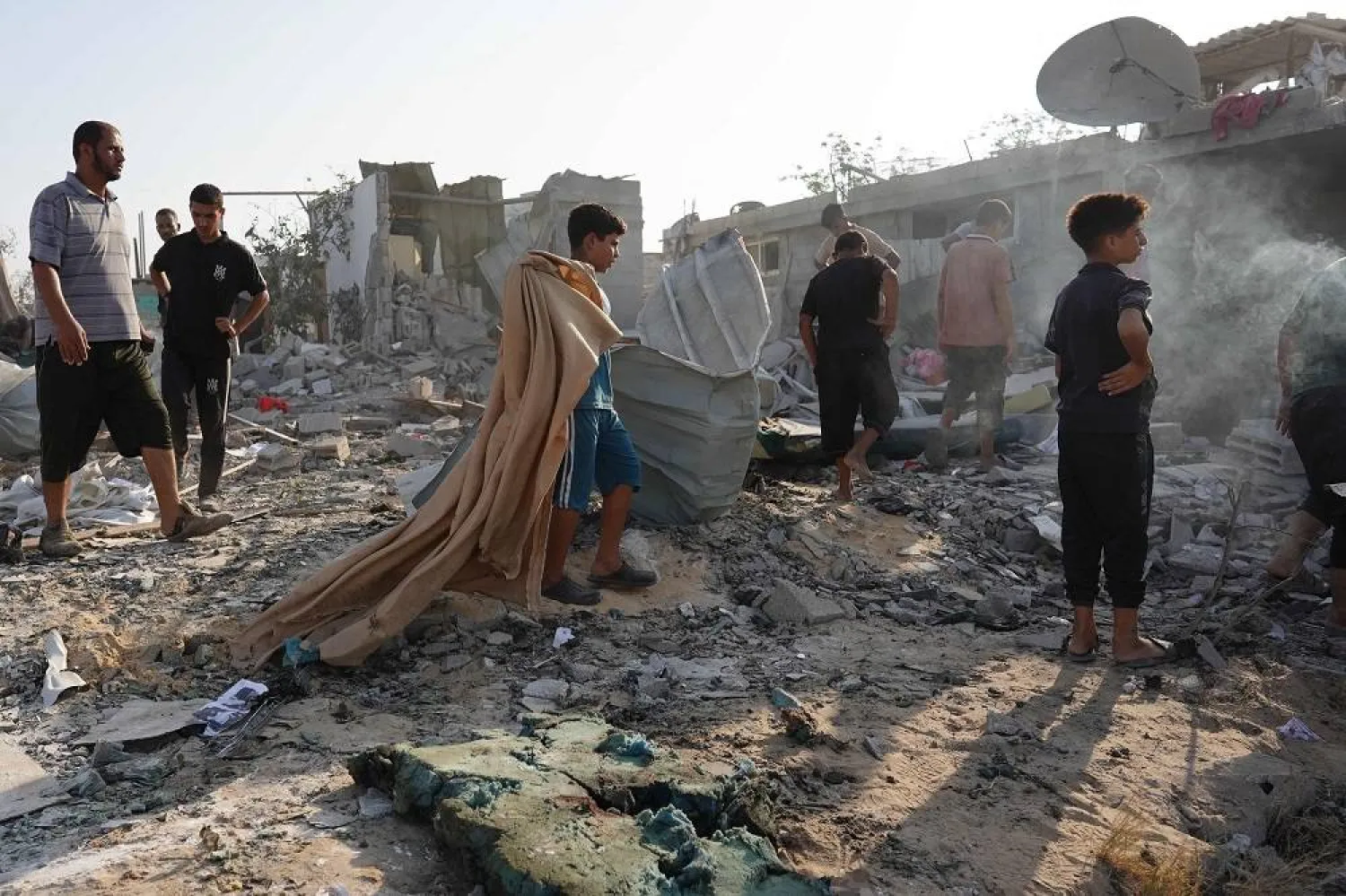
Palestinians inspect the damage following Israeli bombardment on Khan Younis in the southern Gaza Strip on August 27, 2024, amid the ongoing conflict between Israel and the Hamas group. (AFP)
TT

Israel Battles Hamas in Gaza as Space for Displaced Families Narrows 

Palestinians inspect the damage following Israeli bombardment on Khan Younis in the southern Gaza Strip on August 27, 2024, amid the ongoing conflict between Israel and the Hamas group. (AFP)

Palestinians displaced by fighting in the Gaza Strip crowded onto the seashore as Israeli forces continued to battle Hamas fighters in central and southern areas, with health officials reporting at least 17 people killed in strikes on Tuesday.

Ceasefire talks were continuing in Cairo with little sign of a concrete breakthrough over key issues separating the sides, including future control over two corridors in the Gaza Strip once fighting ends.

In recent days, Israel has issued several evacuation orders across Gaza, the most since the beginning of the 10-month war, prompting an outcry from Palestinians, the United Nations, and relief officials over the reduction of humanitarian zones and the absence of safe areas.

Residents and displaced families in the southern city of Khan Younis and Deir Al-Balah, in central Gaza, where most of the population is now concentrated, said they have been pushed to live in tents now packed on the beach.

"Maybe they should bring ships, so next time they order people to leave we can jump there, people are now on the beach near the seawater," said Aya, 30, a displaced woman from Gaza City, who now lives with her family in western Deir Al-Balah.

"Every day they say talks are progressing, an agreement is close, then all falls like dust. Do negotiators know that every day more families get wiped out by Israeli bombardment? Does the world understand that every day more costs us more lives?" she told Reuters via a chat app.

Palestinian health officials said Israeli strikes killed nine Palestinians in Bureij and Maghazi, two of Gaza's eight historic refugee camps, while another strike killed five people in Khan Younis and a third killed three others in Rafah.

More than 40,400 Palestinians have been killed in the war, according to Gaza's health ministry. The crowded enclave has been laid to waste and most of its 2.3 million people have been displaced multiple times and face acute shortages of food and medicine, humanitarian agencies say.

The conflict was triggered after Hamas fighters stormed into southern Israel on Oct. 7 killing 1,200 and taking more than 250 hostages, by Israeli tallies.

UN AID OPERATIONS HALTED

On Monday, United Nations aid operations in Gaza ground to a halt after Israel issued new evacuation orders on Sunday for Deir Al-Balah, where the UN operations center was located, a senior UN official said.

The evacuation order came as the UN has been preparing a campaign to vaccinate an estimated 640,000 children in Gaza against polio, after at least one case of the disease was identified.

As the fighting continued, negotiators in Cairo continued meetings aimed at halting the fighting and bringing 109 Israeli and foreign hostages home in an exchange deal for Palestinian prisoners.

Although there has been optimism from the United States, which is supporting the talks along with Egypt and Qatar, Hamas and Israel have been trading blame for a lack of progress.

Among the main sticking points has been Israel's insistence on maintaining control over the so-called Philadelphi corridor on the border with Egypt, which Israel says has been used as one of the main routes for smuggling weapons into Gaza.

Israel has also insisted on checks on people moving from southern and central Gaza into northern areas across the Netzarim corridor, running across the center of the Gaza Strip, saying it needs to ensure armed fighters cannot move north.



EU Condemns Israel's West Bank Control Measures

The Israeli settlement of Har Homa, seen from the West Bank city of Bethlehem, Tuesday, Dec. 17, 2024. (AP)
TT

EU Condemns Israel's West Bank Control Measures

The Israeli settlement of Har Homa, seen from the West Bank city of Bethlehem, Tuesday, Dec. 17, 2024. (AP)

The European Union on Monday condemned new Israeli measures to tighten control of the West Bank and pave the way for more settlements in the occupied Palestinian territory, AFP reported.

"The European Union condemns recent decisions by Israel's security cabinet to expand Israeli control in the West Bank. This move is another step in the wrong direction," EU spokesman Anouar El Anouni told journalists.


Atrocities in Sudan's El-Fasher Were 'Preventable Human Rights Catastrophe'

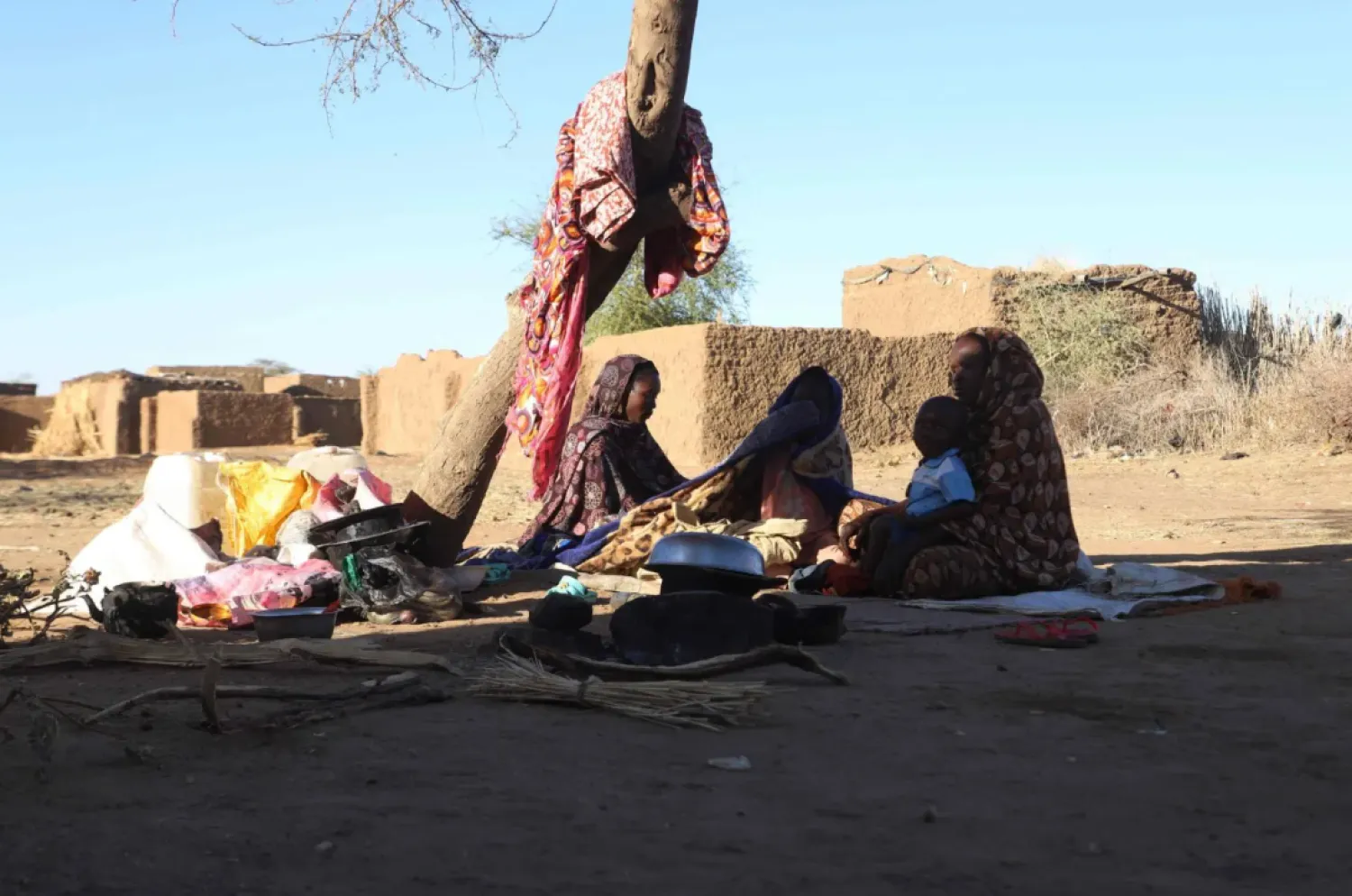
Sudanese displaced people who left El Fasher after its fall, sit in the shade in Tawila at the Rwanda camp reception point on December 17, 2025. (Photo by AFP)
TT

Atrocities in Sudan's El-Fasher Were 'Preventable Human Rights Catastrophe'

Sudanese displaced people who left El Fasher after its fall, sit in the shade in Tawila at the Rwanda camp reception point on December 17, 2025. (Photo by AFP)

The atrocities unleashed on El-Fasher in Sudan's Darfur region last October were a "preventable human rights catastrophe", the United Nations said Monday, warning they now risked being repeated in the neighbouring Kordofan region.


"My office sounded the alarm about the risk of mass atrocities in the besieged city of El-Fasher for more than a year ... but our warnings were ignored," UN rights chief Volker Turk told the Human Rights Council in Geneva.


He added that he was now "extremely concerned that these violations and abuses may be repeated in the Kordofan region".


Arab League Condemns Israel's Decisions to Alter Legal, Administrative Status of West Bank

A general view shows the opening session of the meeting of Arab foreign ministers at the Arab League Headquarters (Reuters)
TT

Arab League Condemns Israel's Decisions to Alter Legal, Administrative Status of West Bank

A general view shows the opening session of the meeting of Arab foreign ministers at the Arab League Headquarters (Reuters)

The General Secretariat of the Arab League strongly condemned decisions by Israeli occupation authorities to impose fundamental changes on the legal and administrative status of the occupied Palestinian territories, particularly in the West Bank, describing them as a dangerous escalation and a flagrant violation of international law, international legitimacy resolutions, and signed agreements, SPA reported.

In a statement, the Arab League said the measures include facilitating the confiscation of private Palestinian property and transferring planning and licensing authorities in the city of Hebron and the area surrounding the Ibrahimi Mosque to occupation authorities.

It warned of the serious repercussions of these actions on the rights of the Palestinian people and on Islamic and Christian holy sites.

The statement reaffirmed the Arab League’s firm support for the legitimate rights of the Palestinian people, foremost among them the establishment of their independent state on the June 4, 1967 borders, with East Jerusalem as its capital.