Control the Path and Power of Hurricanes like Milton? Forget It, Scientists Say

 Clouds are seen over the beach as Hurricane Milton advances, in Progreso, Mexico, October 7, 2024. (Reuters)
Clouds are seen over the beach as Hurricane Milton advances, in Progreso, Mexico, October 7, 2024. (Reuters)
TT

Control the Path and Power of Hurricanes like Milton? Forget It, Scientists Say

 Clouds are seen over the beach as Hurricane Milton advances, in Progreso, Mexico, October 7, 2024. (Reuters)
Clouds are seen over the beach as Hurricane Milton advances, in Progreso, Mexico, October 7, 2024. (Reuters)

Hurricanes are humanity’s reminder of the uncontrollable, chaotic power of Earth’s weather.

Milton’s powerful push toward Florida just days after Helene devastated large parts of the Southeast likely has some in the region wondering if they are being targeted. In some corners of the internet, Helene has already sparked conspiracy theories and disinformation suggesting the government somehow aimed the hurricane at Republican voters.

Besides discounting common sense, such theories disregard weather history that shows the hurricanes are hitting many of the same areas they have for centuries. They also presume an ability for humans to quickly reshape the weather far beyond relatively puny efforts such as cloud seeding.

“If meteorologists could stop hurricanes, we would stop hurricanes,” Kristen Corbosiero, a professor of atmospheric and environmental sciences at the University at Albany. “If we could control the weather, we would not want the kind of death and destruction that’s happened.”

Here’s a look at what humans can and can’t do when it comes to weather:

The power of hurricanes, heightened by climate change

A fully developed hurricane releases heat energy that is the equivalent of a 10-megaton nuclear bomb every 20 minutes — more than all the energy used at a given time by humanity, according to National Hurricane Center tropical analysis chief Chris Landsea.

And scientists are now finding many ways climate change is making hurricanes worse, with warmer oceans that add energy and more water in the warming atmosphere to fall as rain, said Chris Field, director of the Stanford Woods Institute for the Environment.

“The amount of energy a hurricane generates is insane,” said Colorado State University hurricane researcher Phil Klotzbach. It’s the height of human arrogance to think people have the power to change them, he said.

But that hasn't stopped people from trying, or at least thinking about trying.

Historical efforts to control hurricanes have failed

Jim Fleming of Colby College has studied historical efforts to control the weather and thinks humans have nowhere near the practical technology to get there. He described an attempt in 1947 in which General Electric partnered with the US military to drop dry ice from Air Force jets into the path of a hurricane in an attempt to weaken it. It didn't work.

“The typical science goes like understanding, prediction and then possibly control,” Fleming said, noting that the atmosphere is far more powerful and complex than most proposals to control it. “It goes back into Greek mythology to think you can control the powers of the heavens, but also it's a failed idea.”

In the 1960s, 1970s and 1980s, the federal government briefly tried Project STORMFURY. The idea was to seed a hurricane to replace its eyewall with a larger one that would make the storm bigger in size but weaker in intensity. Tests were inconclusive and researchers realized if they made the storm larger, people who wouldn’t have been hurt by the storm would now be in danger, which is an ethical and liability problem, the project director once said.

For decades, the National Hurricane Center and its parent agency, the National Oceanic and Atmospheric Administration, have been asked about nuclear-bombing a hurricane. But the bombs aren't powerful enough, and it would add the problem of radioactive fallout, Corbosiero said.

Bringing cooling icebergs or seeding or adding water-absorbing substances also are ideas that just don’t work, NOAA scientists said.

Climate change begets engineering — and lots of questions

Failed historical attempts to control hurricanes differ somewhat from some scientists' futuristic ideas to combat climate change and extreme weather. That's because instead of targeting individual weather events, modern geoengineers would operate on a larger scale — thinking about how to reverse the broad-scale damage humans have already done to the global climate by emitting greenhouse gases.

Scientists in the field say one of the most promising ideas they see based on computer models is solar geoengineering. The method would involve lofting aerosol particles into the upper atmosphere to bounce a tiny bit of sunlight back into space, cooling the planet slightly.

Supporters acknowledge the risks and challenges. But it also "might have quite large benefits, especially for the world’s poorest," said David Keith, a professor at the University of Chicago and founding faculty director of the Climate Systems Engineering initiative.

Two years ago, the largest society of scientists who work on climate issues, the American Geophysical Union, announced it was forming an ethics framework for “climate intervention."

Some scientists warn that tinkering with Earth’s atmosphere to fix climate change is likely to create cascading new problems. Pennsylvania State University climate scientist Michael Mann expressed worries on the ethics framework that just talking about guidelines will make the tinkering more likely to occur in the real world, something that could have harmful side effects.

Field, of Stanford, agreed that the modeling strongly encourages that geoengineering could be effective, including at mitigating the worst threats of hurricanes, even if that's decades away. But he emphasized that it's just one piece of the best solution, which is to stop climate change by cutting greenhouse gas emissions.

“Whatever else we do, that needs to be the core set of activities,” he said.


Al-Qatif Street Food Festival Celebrates Saudi Culinary Arts

The event features six pavilions that allow visitors to explore a wide variety of foods and beverages made from local ingredients, reflecting the Kingdom’s diverse environments and regional flavors - SPA
TT

Al-Qatif Street Food Festival Celebrates Saudi Culinary Arts

The event features six pavilions that allow visitors to explore a wide variety of foods and beverages made from local ingredients, reflecting the Kingdom’s diverse environments and regional flavors - SPA

The Culinary Arts Commission launched Al-Qatif Street Food Festival, which runs until December 30, 2025, offering visitors a rich cultural experience that highlights Saudi culinary arts in a setting that reflects the authenticity and diversity of the Kingdom’s national cuisine, while reinforcing the presence of heritage within the contemporary cultural landscape.

The festival showcases Saudi food culture as a vital component of national identity through live cooking stations where traditional dishes are prepared and presented by culinary experts, SPA reported.

The event features six pavilions that allow visitors to explore a wide variety of foods and beverages made from local ingredients, reflecting the Kingdom’s diverse environments and regional flavors.

In addition to the culinary offerings, the festival presents a range of accompanying cultural experiences designed to enrich the visitor journey and encourage engagement with food as both an artistic and knowledge-based experience.

These include a dedicated children’s pavilion, interactive tasting spaces for dishes, and innovative beverage experiences inspired by Saudi agricultural products.


Want to Read More in 2026? Here's How to Revive Your Love of Books

A woman reads a book in the afternoon sun on a bench outside South Station in Boston, on Friday, May 31, 2024. (AP Photo/David Goldman, File)
TT

Want to Read More in 2026? Here's How to Revive Your Love of Books

A woman reads a book in the afternoon sun on a bench outside South Station in Boston, on Friday, May 31, 2024. (AP Photo/David Goldman, File)

People stop reading in adulthood for lots of reasons. But it’s never too late to turn the page on old habits and start again.

Curling up with a good book can reduce stress, increase creativity and boost empathy. A recent analysis of US government data found that the percentage of Americans who read for pleasure during an average day has fallen to 16% in 2023 from 28% in 2004. That includes not just books but audiobooks, e-books and periodicals like magazines, The AP news reported.

Some people say they're fatigued from years of assigned reading in school. Others don't have the time or would rather zone out by doom-scrolling on social media. And many just got out of the habit.

“It’s difficult for people who are really tired and busy to think about getting into reading if it’s not something they’re used to,” said Jacqueline Rammer, director of Menomonee Falls Public Library in Wisconsin.

For those looking to set reading goals or resolutions in 2026, here's how to get back into the habit.

Choose the right book When picking your next book, avoid dense nonfiction or a 500-page doorstop.

“Your first book should be something that you think will be joyful,” said Jocelyn Luizzi, a software engineer from Chicago who blogs about books.

Everyone's taste is different, so get recommendations from a variety of places including friends, booksellers and online communities like BookTok.

Rammer and her staff ask library visitors: What was the last book, TV show or movie that you really enjoyed? Then, they look for similar genres or themes.

Many libraries offer access to a service called NoveList which suggests “read-alikes” for various books and authors.

Set a reading routine To create a habit that sticks, “start by scheduling reading into your day,” said Gloria Mark, an attention span expert with the University of California, Irvine. Read five pages during a lunch break or right before bed.

If you're reading a physical book, Mark said to avoid distractions by keeping phones and laptops out of sight.

But experimenting with other formats can make reading more convenient. E-books are portable and audiobooks are a good candidate to accompany chores or the morning commute. You can likely access both for free by downloading an app called Libby and signing in with a library card.

Try to read in a quiet setting, but don't be afraid to make it a social activity. Many cities in the US and around the world host silent book clubs where people read their own books together in coffee shops and libraries.

Setting a reading goal for the year or joining a local library's winter reading challenge can help with motivation — but if it feels like added pressure, don't do it.

Shannon Whitehead Smith, a book blogger from the Atlanta area who also works in marketing, says scrolling through lists of other people's reads on social media and trackers like StoryGraph encourages her to keep the habit.

“Seeing all these other people reading motivates me to put my phone down and pick up this book that’s sitting beside me,” she said.

Feel free to skip a read if a book feels particularly sluggish, it's OK to put it down and start another. Reading “shouldn't feel like a burden,” said Jess Bone with University College London, who analyzed the survey data about American adults reading for pleasure.

Routine readers say the habit helps them stay curious and release the stress of the day. Rammer, the library director, reads mysteries rife with twists and turns, and romances that cycle through roller coasters of emotions.

Most of all, she likes books that end with a “happily ever after.”

“I think the guarantee of knowing that things are going to end up OK is really reassuring,” Rammer said.


Saudi Architecture and Design Commission Launches Graphic Design Association in Riyadh

The association aims to unify graphic design practitioners
TT

Saudi Architecture and Design Commission Launches Graphic Design Association in Riyadh

The association aims to unify graphic design practitioners

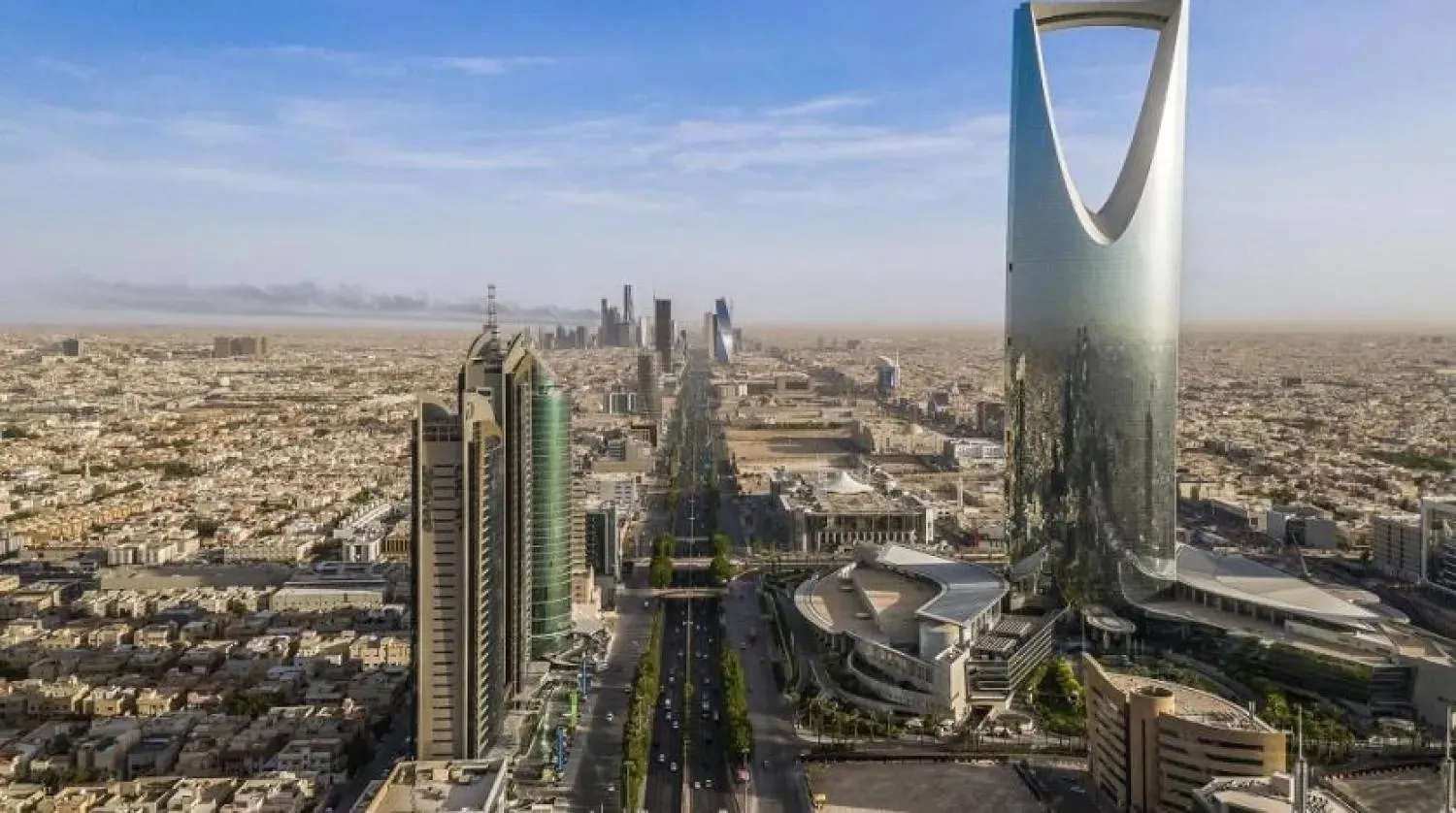
The Graphic Design Association has been launched in Riyadh under the patronage of the Saudi Architecture and Design Commission.

Sunday’s event, attended by officials and culture experts, marks a significant step in empowering graphic design talents.

The ceremony included a presentation outlining the association’s vision and operational plans for developing the graphic design sector. Key goals include supporting designers and enhancing their professional presence locally and internationally.

The association aims to unify graphic design practitioners, providing a framework that fosters skill development, stimulates innovation, and creates opportunities in the cultural sector.

Acting CEO of the Architecture and Design Commission Prince Nawaf bin Abdulaziz bin Ayyaf stressed that the association is vital for organizing the sector and improving professional practices, thereby enhancing its role in the cultural ecosystem.

The Graphic Design Association is one of the professional associations established under the Saudi Ministry of Culture, aimed at building an integrated system of organizations to empower practitioners across various cultural fields.