Saudi Energy Minister Says OPEC+ Output Decision Based on Fundamentals

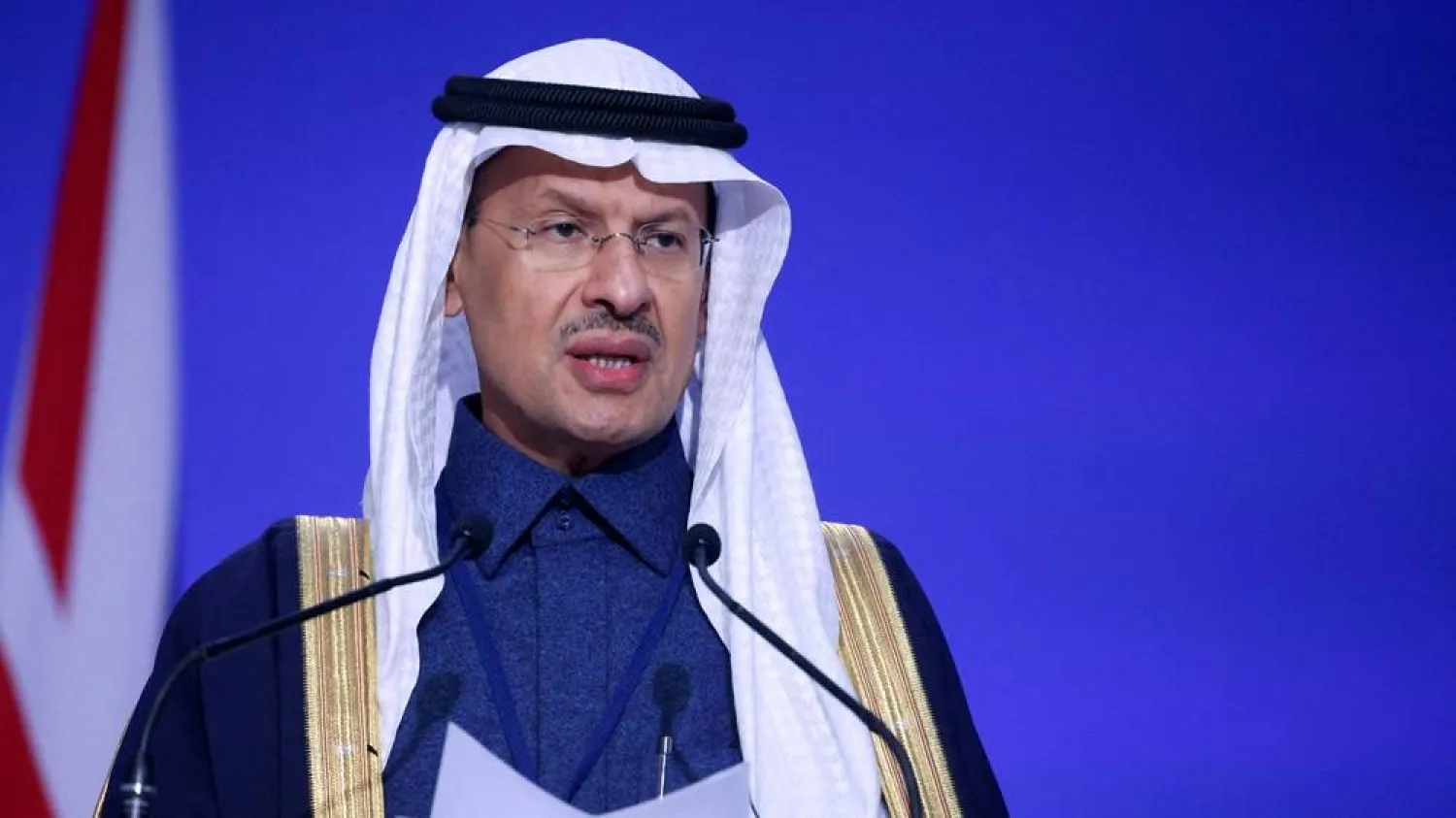
Saudi Energy Minister Prince Abdulaziz bin Salman speaks during the UN Climate Change Conference (COP26), in Glasgow, Scotland, Britain, November 10, 2021. (Reuters)
TT

Saudi Energy Minister Says OPEC+ Output Decision Based on Fundamentals

Saudi Energy Minister Prince Abdulaziz bin Salman speaks during the UN Climate Change Conference (COP26), in Glasgow, Scotland, Britain, November 10, 2021. (Reuters)

Saudi Energy Minister Prince Abdulaziz bin Salman said on Friday the OPEC+ decision to push back the start of oil output rises by three months until April was based mainly on fundamentals.

"There are so many things going on over the next two months but primarily the decision to delay bringing these barrels to the second quarter is tied to the issue that the first quarter is not a good quarter to bring in volumes as it is known to be a quarter for building stocks," Prince Abdulaziz told CNBC in an interview, when asked how the incoming administration of US President-elect Donald Trump would impact OPEC's strategy.

OPEC+, which groups the de facto Saudi-led Organization of the Petroleum Exporting Countries (OPEC) with allies including Russia, on Thursday also extended the full unwinding of cuts by a year until the end of 2026 due to weak demand and booming production outside the group.

The decision "also gives you a meaningful way to have a better understanding not necessarily of what will happen with regard to the US, respectfully, but there are so many other things - growth in China, growth in Europe, and lack of it thanks to transitioning, and what is happening in the US economy, interest rates, inflation."

"There are too many moving parts. But honestly the primary cause for moving or shifting - bringing these barrels - is based on fundamentals," Prince Abdulaziz said.

OPEC+, which pumps about half the world's oil, had been planning to start unwinding cuts from October 2024 but a slowdown in global demand and rising output elsewhere forced it to postpone the plans on several occasions.

"I think the reality check that we had to attend to was that we have the double task of attending to the fundamentals yet put together something that mitigates these negative sentiments, within of course the controls of what OPEC+ can do," Prince Abdulaziz said.

"We honestly believe the market next year will be better than what is being projected."

OPEC+ members are holding back 5.86 million barrels per day of output, or about 5.7% of global demand, in a series of steps agreed since 2022 to support the market. The steps include cuts of 2 million bpd by the whole group, 1.65 million bpd of first stage of voluntary cuts by eight members and another 2.2 million of second stage of voluntary cuts by the same eight members.

On Thursday, OPEC+ agreed to extend the 2 million bpd and the 1.65 million bpd of cuts until the end of 2026 from the end of 2025, according to statements issued by the group. The gradual unwinding of 2.2 million of cuts will start from April 2025 with monthly increases of 138,000 bpd, according to Reuters calculations, and lasting 18 months until September 2026.

"What is not helpful was the accumulation of the lack of compensation," Prince Abdulaziz said, referring to member countries' plans to trim output over time for prior production above quotas agreed with OPEC+.

Iraq, Russia and Kazakhstan have presented OPEC with compensation plans. They were extended to a year and a half from one year "because, again, we took serious commitments at the highest level," Prince Abdulaziz said. "These things will be delivered if we can extend the period of compensation."

Saudi Arabia Expands Tourist E-Visa Eligibility to Four More Countries

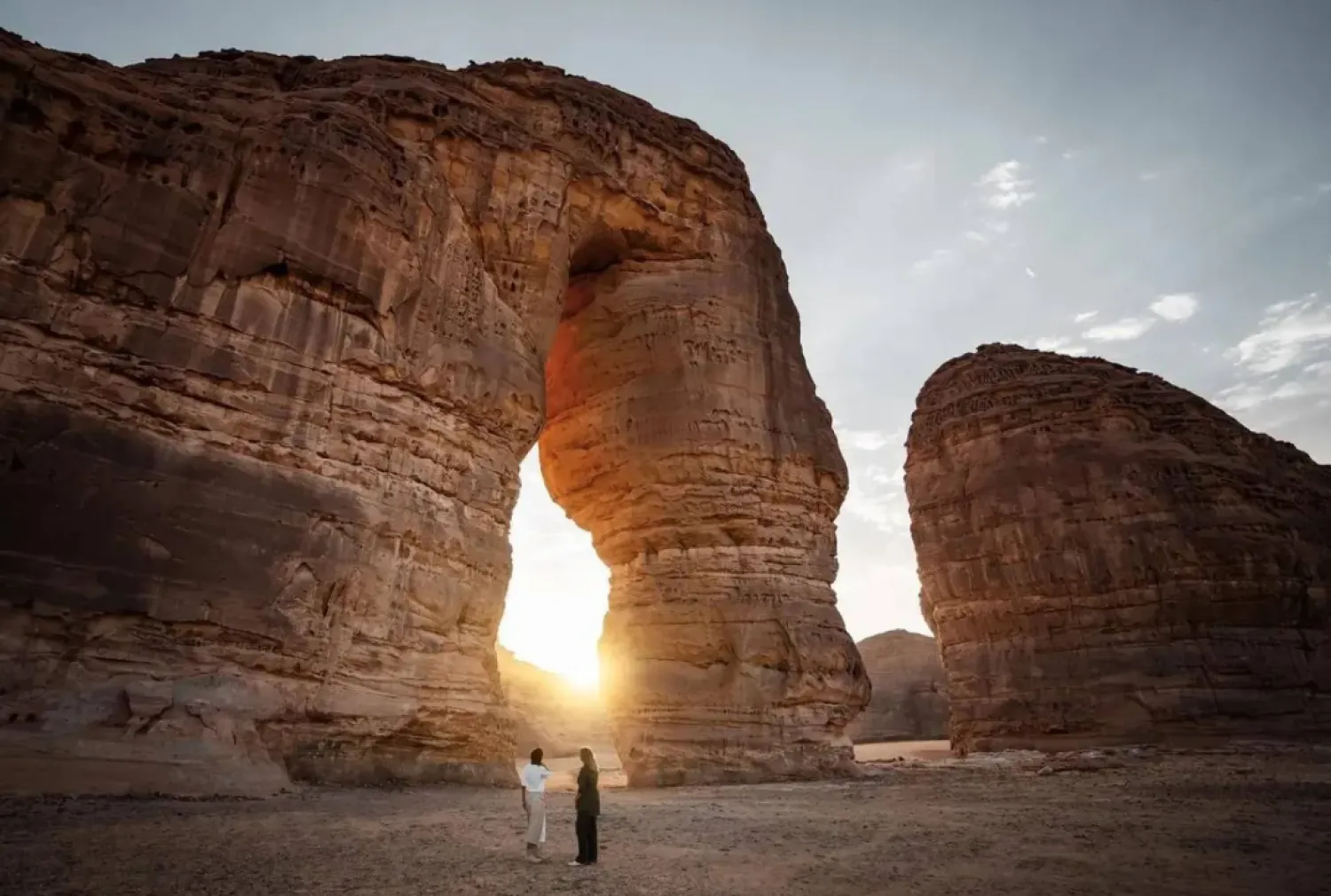
The tourist visa allows visitors to attend events, perform Umrah, and visit exhibitions and conferences (SPA)
TT

Saudi Arabia Expands Tourist E-Visa Eligibility to Four More Countries

The tourist visa allows visitors to attend events, perform Umrah, and visit exhibitions and conferences (SPA)

Saudi Arabia has expanded its electronic tourist visa program by adding four countries to the list of eligible nationalities: Mexico, North Macedonia, Serbia, and Bosnia and Herzegovina.

The Ministry of Tourism said the move is part of ongoing efforts to facilitate travel to the Kingdom for visitors from around the world, allowing citizens of the newly added countries to apply electronically for tourist visit visas.

The tourist visa also permits holders to attend events, perform Umrah, visit exhibitions and conferences, and visit relatives and friends, in accordance with applicable regulations and instructions.


50-Year Contracts Open New Horizons for Real Estate Investment in Saudi Arabia

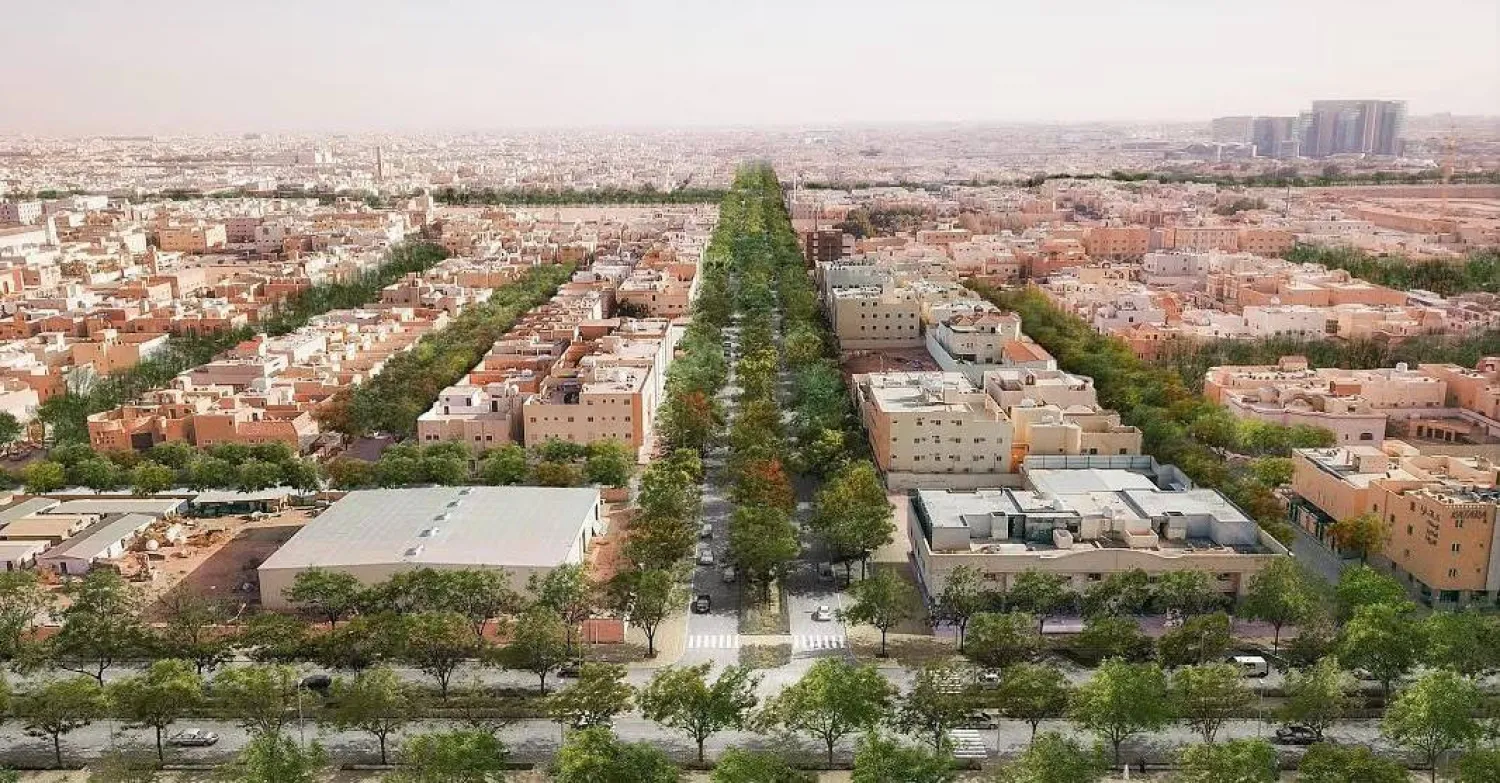
A neighborhood in the Saudi capital, Riyadh (SPA)
TT

50-Year Contracts Open New Horizons for Real Estate Investment in Saudi Arabia

A neighborhood in the Saudi capital, Riyadh (SPA)

Long-term real estate investment models are opening new opportunities for Saudi Arabia's private sector, as the Kingdom seeks to expand partnerships with investors to develop municipal assets and transform them into mixed-use projects.

The approach is expected to enhance the appeal of the real estate market, create investment opportunities spanning decades, and attract domestic and international capital to urban development. It also aims to improve land-use efficiency, maximize the economic value of municipal assets and increase housing supply.

Riyadh Region Municipality, the Ministry of Municipalities and Housing, and the National Center for Privatization & PPP (NCP) announced the launch of the expression of interest, prequalification and proposal submission phases for a joint land investment project in northern Riyadh.

The project involves developing a plot of municipal land under a 50-year partnership with the private sector, marking the municipality's first initiative under this joint investment model.

The private-sector partner will be responsible for designing, constructing, operating and maintaining all project facilities.

Located on Zaid bin Asim Street, the strategically positioned 30,015-square-meter site benefits from flexible urban planning regulations that allow for mixed-use development, including residential, commercial, office and recreational facilities.

The project aims to deliver high-quality developments that meet growing demand, serve local residents and community needs, and strengthen Riyadh's urban infrastructure.

Long-Term Investment Strategies

Offering investment opportunities through contracts extending up to 50 years represents a shift in how Saudi Arabia develops government-owned real estate assets.

The model gives private-sector investors a longer timeframe to develop projects and implement long-term investment strategies, overcoming some of the limitations associated with short- and medium-term contracts.

It also strengthens investors' ability to undertake financial and operational planning, allowing them to recover development costs and generate investment returns over a longer period.

This could make such opportunities more attractive to real estate companies and institutional investors.

The project forms part of Riyadh Region Municipality's strategy to improve the efficiency of municipal asset management, expand private-sector participation in urban development and attract high-value investments.

These efforts are intended to promote sustainable urban development, keep pace with the capital's rapid growth and advance Saudi Vision 2030 objectives, in line with the municipality's ambition to help create a prosperous, sustainable Riyadh with a higher quality of life.

Project Sustainability

Real estate expert Khaled al-Mobid said the launch of a 50-year investment project in Riyadh's Al-Narjis district represents an important step toward enabling the private sector to develop real estate assets and transform them into sustainable projects with substantial economic value.

Speaking to Asharq Al-Awsat, he explained that the extended investment period encourages developers to improve construction quality and services while enhancing the financial viability of projects.

He added that the model could help diversify real estate offerings and increase supply in one of the capital's most expensive neighborhoods.

Al-Mobid said the project's significance lies less in its immediate impact on property prices than in its potential to establish a replicable investment model.

Such a model, he noted, could gradually increase supply, strengthen competition and contribute to greater price stability across Riyadh's real estate market.

Diversifying Real Estate Supply

Real estate developer Ahmed Omar Basoudan said the importance of these contracts extends beyond simply making land available to investors.

They also create opportunities to develop integrated real estate assets combining residential, commercial, office and recreational uses, increasing the economic value of land and improving its utilization.

Speaking to Asharq Al-Awsat, Basoudan explained that bringing design, construction, operation and maintenance together under a single investment framework allows for more integrated developments.

It also creates a stronger link between construction quality, operational efficiency and long-term sustainability.

At the broader market level, he said, the model could help diversify real estate offerings, particularly in major cities experiencing rapid urban expansion and rising demand for residential, commercial and office space.

The participation of new developers and operators could also strengthen competition and improve the quality of projects and services.

Moreover, the approach could create integrated mixed-use urban destinations that meet residents' needs and support economic activity, rather than relying solely on conventional real estate development.


Replicating the Model


According to Basoudan, the success of this investment model will depend on how effectively contracts are structured, how risks are allocated between government entities and investors, and how clearly development, operation and maintenance obligations are defined.

Equally important, he said, is striking an appropriate balance between investment returns and the public interest.

Basoudan believes extending the model to other municipalities and regions could create an additional channel for attracting domestic and international investment.

It could also strengthen private-sector participation in urban development, in line with Saudi Vision 2030 objectives to diversify the economy and improve the efficiency of government asset management.


Gold Rallies as Dollar, Treasury Yields Soften after US Midterm Results

Gold chips displayed at a state-owned gold retail store in Surabaya, East Java (AFP)
TT

Gold Rallies as Dollar, Treasury Yields Soften after US Midterm Results

Gold chips displayed at a state-owned gold retail store in Surabaya, East Java (AFP)

Gold climbed to its highest level in over two weeks on Thursday as the fallout from the US midterm election results rippled through the global financial and oil markets.

Spot gold rose 1.6% to $4,124.89 per ounce by 0752 GMT. It touched $4,146.63 per ounce, its highest level since October 20, earlier in ‌the session.

Bullion ‌climbed about 3.4% on Wednesday, its biggest ‌daily gain ⁠since August 19.

US ⁠gold futures for December delivery climbed 1.5% to $4,135.40, Reuters said.

A weaker dollar and lower Treasury yields have helped gold recover above the key $4,000 level, though holding above that threshold remains crucial for the recovery outlook, said Linh Tran, market analyst at XS.com.

"If investment flows and yield movements continue to provide support, gold could stabilize ⁠above $4,000, also opening up an opportunity for a ‌recovery toward $4,200, followed by $4,400."

Oil prices ‌were slightly higher after earlier falling for a fourth day on ‌expectations that the losses US President Donald Trump's Republican Party ‌suffered in congressional elections this week may reduce the risk of further escalation of the US-Israeli war with Iran.

Lower energy prices ease inflationary pressures, reducing expectations that the central bank will keep interest rates higher ‌for longer, supporting the appeal of non-yielding bullion.

The dollar slid to its lowest in more ⁠than a ⁠month, and 10-year US Treasury yield fell to its lowest since September 10.

A weaker dollar makes greenback-priced bullion more affordable for holders of other currencies.

Market participants now await the US non-farm payrolls report on Friday to further gauge the Federal Reserve's monetary policy outlook.

Meanwhile, Citi has a 0-3 month price target of $4,500 per ounce for gold, the brokerage said on Wednesday, as it sees substantial upside potential if the Strait of Hormuz reopens and the Yemen/Saudi conflict de-escalates.

Among other metals, spot silver rose 0.8% to $52.63 per ounce, platinum gained 1.2% to $1,514.20 and palladium climbed 2.2% to $1,026.83.