


Macron Announces Major Overhaul to Modernize Louvre and Dedicated Room for Mona Lisa

The courtyard of the Louvre museum is pictured Monday, Jan. 27, 2025 in Paris. (AP)
TT

Macron Announces Major Overhaul to Modernize Louvre and Dedicated Room for Mona Lisa

The courtyard of the Louvre museum is pictured Monday, Jan. 27, 2025 in Paris. (AP)

French President Emmanuel Macron announced Tuesday that the Mona Lisa will get its own dedicated room inside the Louvre museum, which he said will be renovated and expanded in a major overhaul that will take years to complete.

The renovation will include a new entrance near the River Seine, to be opened by 2031, and the creation of underground rooms, Macron said in a speech from the Louvre room where the Mona Lisa is displayed.

Macron did not disclose the cost, estimated to run into hundreds of millions of euros, to modernize the most visited museum in the world, plagued with overcrowding and outdated facilities.

The Louvre's latest overhaul dates back to the 1980s, when the iconic glass pyramid was unveiled. Now, the museum is not up to international standards anymore.

A look at what's at stake:

Water leaks and other damage  

Louvre Director Laurence des Cars sent a note expressing a series of concerns to Culture Minister Rachida Dati earlier this month saying the museum is threatened by “obsolescence.”

According to the document first released by French newspaper Le Parisien, she warned about the gradual degradation of the building due to water leaks, temperature variations and other issues “endangering the preservation of artworks.”

The pyramid that serves at the museum's entrance, unveiled in 1989 as part of late President François Mitterrand’s project, now appears outdated. The place is not properly insulated from the cold and the heat and tends to amplify noise, making the space uncomfortable for both the public and the staff, des Cars stressed.

In addition, the museum suffers from a lack of food offerings and restroom facilities, she said.

A costly and complex overhaul  

“We’re faced with a collective challenge,” an official at the French presidency said. “That is, how can we adapt the Louvre to expectations, welcome visitors from across the world in comfortable conditions and also be leading a commitment for artistic and cultural education?” The official could not be named in line with the French presidency’s customary practices.

The financing needed for such a major renovation has not been specified, but any renovation work at the former royal palace is expected to be costly and technically complicated.

The Pompidou Center, another major museum in Paris, is set to close to undergo a five-year renovation worth 262 million euro ($273 million), starting from the end of the year.

Half the Louvre's budget is financed by the French state, including the wages of the 2,200 employees.

The other half is provided by private funds including ticket sales, earnings from restaurants, shops and bookings for special events, as well as patrons and other partners. That includes the United Arab Emirates' financing for the right to use the brand for the Louvre Abu Dhabi museum.

May Mona Lisa have its own room?  

Questions had arisen about how the Mona Lisa should be displayed in the museum.

Des Cars asked for the issue to be “reassessed,” suggesting a possible transfer of the museum's most popular attraction to another room that would be specifically dedicated to it. That's what Macron said will happen.

The Mona Lisa is now being shown behind protective glass in the museum's largest room, overcrowded with long, noisy queues of visitors eager to take a selfie with Leonardo da Vinci’s masterpiece. That makes some other paintings in the room by the greatest Venetian painters like Titian and Veronese go unnoticed by many.

The museum's latest big renovation in the 1980s was designed to receive 4 million annual visitors.

Last year, the Louvre received 8.7 million visitors, over three-quarters being foreigners mostly from the United States, China and neighboring countries Italy, the UK, Germany and Spain.


Saudi Arabia: King Abdulaziz Library to Launch 26th Free Reading Festival

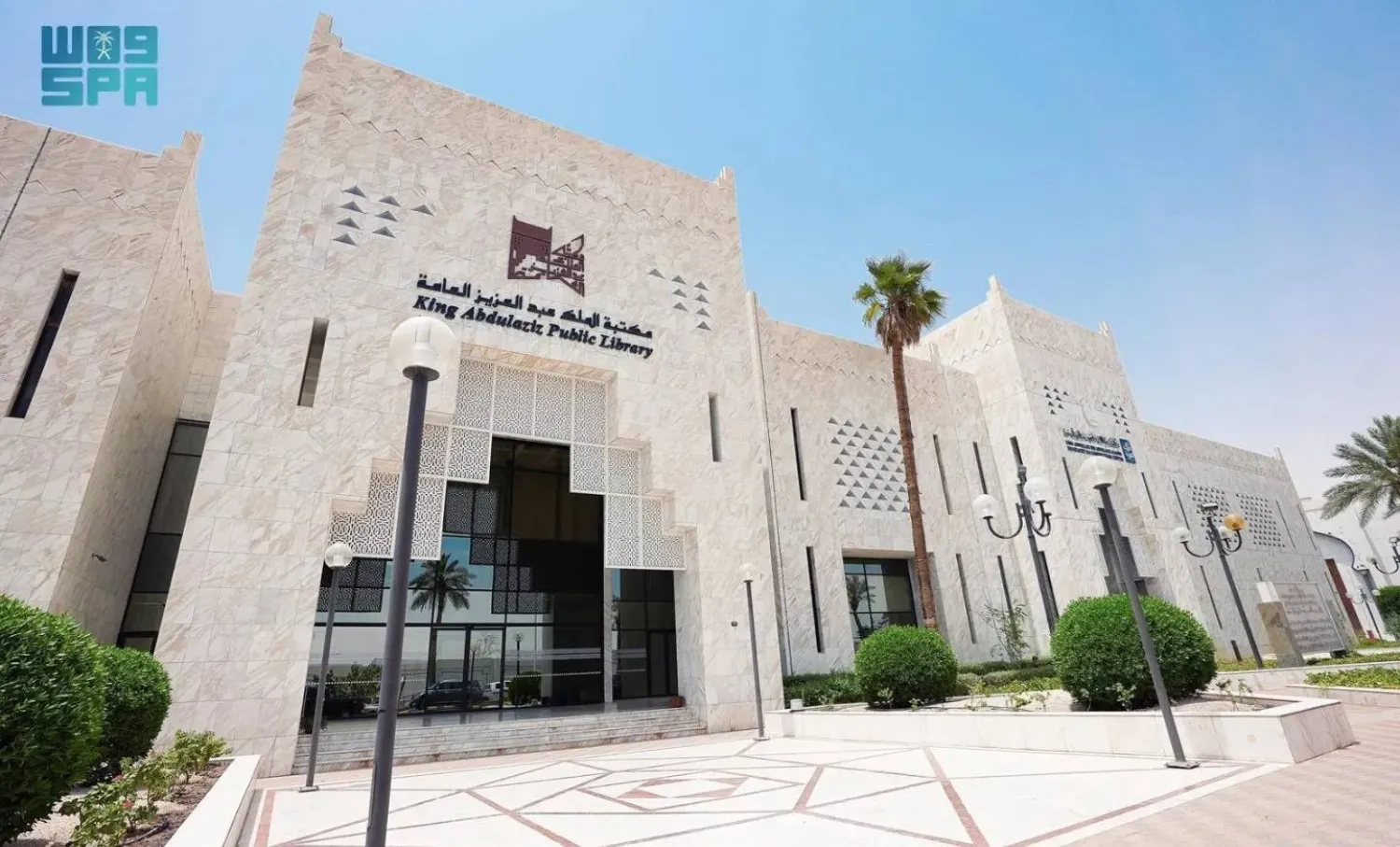
The King Abdulaziz Public Library. SPA
TT

Saudi Arabia: King Abdulaziz Library to Launch 26th Free Reading Festival

The King Abdulaziz Public Library. SPA

The King Abdulaziz Public Library, in cooperation with the Riyadh Education Department, will launch its 26th annual Free Reading Festival for public school students on Sunday.

Running from May 10 to 14 in Riyadh, the festival will bring together more than 100 schools, over 1,550 students, and a number of educators and teachers.

It aims to foster a love of reading and learning, expand students’ literary, scientific, and cultural horizons, and encourage teachers to promote independent reading. It will also provide a platform to showcase student talents and strengthen Arabic language skills.

Through initiatives like this festival, the King Abdulaziz Public Library promotes reading through diverse programs and a wide range of books that foster pride in the Kingdom’s heritage.


Qassim's Monday Market Retains Heritage Role as Economic and Cultural Hub

The Monday market in the governorate of Uyun Al-Jiwa. (SPA)
TT

Qassim's Monday Market Retains Heritage Role as Economic and Cultural Hub

The Monday market in the governorate of Uyun Al-Jiwa. (SPA)

The Monday market in the governorate of Uyun Al-Jiwa, north of Qassim Region, stands as one of the oldest traditional weekly markets, enduring through changing times while maintaining its role as a vibrant economic and cultural hub.

The market draws a growing number of visitors from across Qassim and beyond, supported by the governorate’s strategic location.

During a field tour, the Saudi Press Agency observed lively activity throughout the market, with stalls displaying a diverse range of products. These include agricultural goods such as almonds and dried figs; animal products like ghee and milk, for which the region is renowned; as well as handicrafts and natural items such as henna and sidr.

Visitors noted that the market has retained its authentic character, continuing to serve as a vital source of income for small vendors and families working in the cottage industry, reinforcing its role as a key platform for preserving traditional culture while supporting the local rural economy.


Heritage Commission Revives Al-Nasb Heritage District as Abha Cultural Tourism Destination

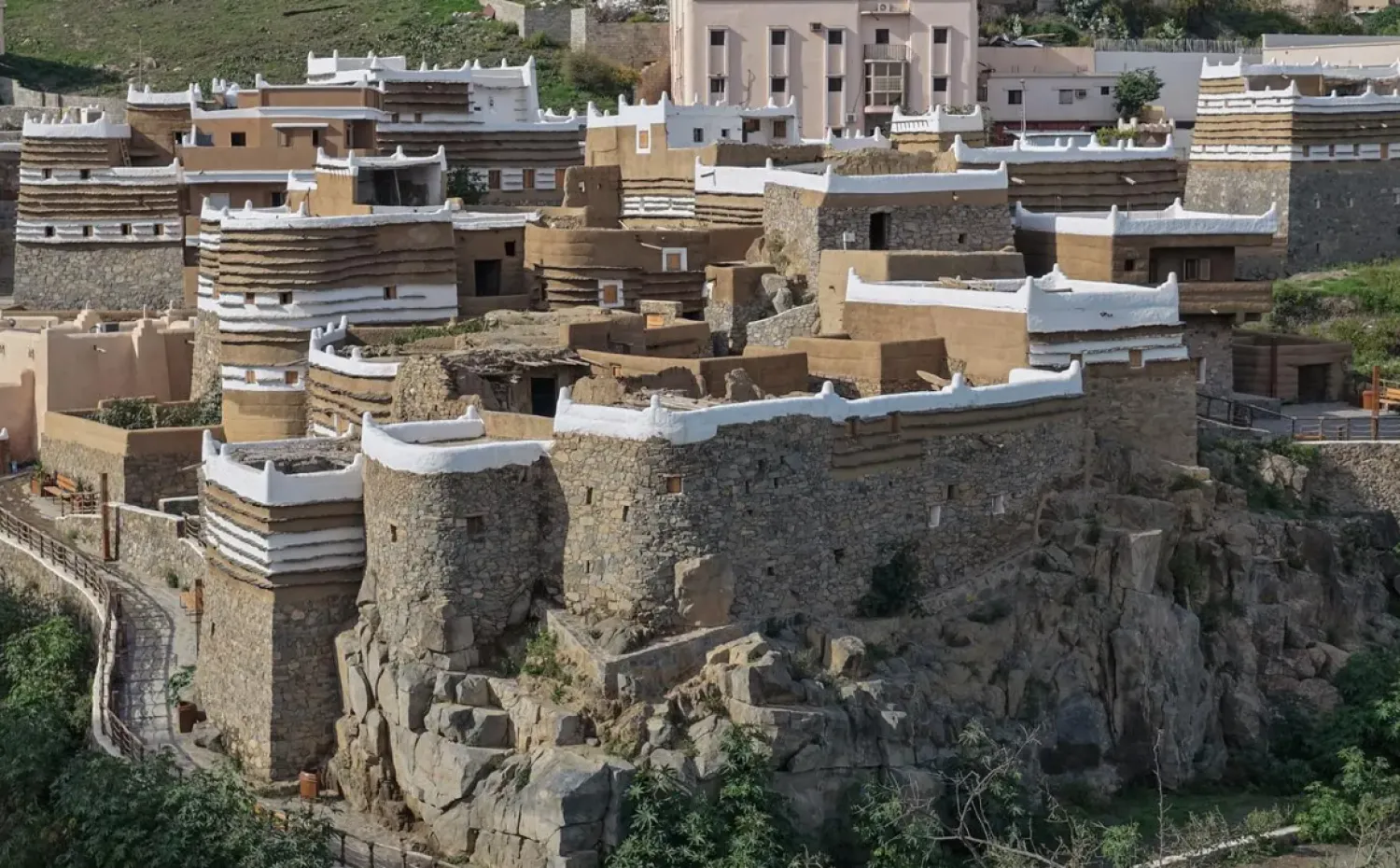
The district’s significance lies in its unique architectural composition - SPA
TT

Heritage Commission Revives Al-Nasb Heritage District as Abha Cultural Tourism Destination

The district’s significance lies in its unique architectural composition - SPA

Al-Nasb Heritage District in Abha is one of the most prominent living examples of traditional architecture in Aseer Region, preserving its long history and architectural details that embody people’s connection to their local environment and document the social and cultural patterns that have shaped the identity of the place across generations.

The district’s significance lies in its unique architectural composition, where mud and stone buildings stand side by side in visual harmony. They were built using local materials such as stone, clay, and juniper trunks, while the narrow alleyways and closely set buildings give the district a cohesive social character that reflects the spirit of past communities in the region and the close relationship between people and place.

The Heritage Commission has revived the district through an integrated restoration and rehabilitation project aimed at preserving its original elements and enhancing its sustainability, as part of national efforts to protect urban heritage and highlight it as a cultural and tourism asset, SPA reported.

The site is also distinguished by its natural setting, as the district overlooks the banks of Abha Valley and surrounding farms, giving it a distinctive visual and aesthetic dimension. Its narrow passageways and closely set buildings illustrate a traditional urban pattern that strengthens ties among residents and captures the nature of social life in that era.

The district is now a growing destination for culture and tourism in Abha, attracting visitors and heritage enthusiasts who come to explore the details of authentic architecture and learn about the traditional ways of life that have shaped Aseer Region’s identity across generations. The project helps raise awareness of the importance of preserving archaeological sites as a key pillar in forming national memory.

The project is part of the Kingdom’s efforts to protect and effectively manage cultural heritage, in line with the targets of Saudi Vision 2030, which gives special attention to the cultural sector. It seeks to turn heritage sites into vibrant spaces that support cultural tourism and sustainable development while reconnecting society with its historical roots.