


Hidden for Centuries, Portrait Discovered Under Titian Masterpiece 

A full-size replica of an unidentified man, discovered by researchers in Cyprus under the artwork of Renaissance master Titian on a 16th-century painting, the Ecce Homo, hangs at the Limassol Municipal Arts Center in Limassol, Cyprus January 30, 2025. (Reuters) 
TT

Hidden for Centuries, Portrait Discovered Under Titian Masterpiece 

A full-size replica of an unidentified man, discovered by researchers in Cyprus under the artwork of Renaissance master Titian on a 16th-century painting, the Ecce Homo, hangs at the Limassol Municipal Arts Center in Limassol, Cyprus January 30, 2025. (Reuters) 

Researchers in Cyprus have discovered a hidden portrait that lay undetected for centuries beneath a 1570 oil painting by Renaissance master Titian, a rendering of which is now on display in the city of Limassol.

The newly discovered work shows an unidentified man with a thin moustache, quill in hand, standing next to a stack of papers or books - a prosaic image compared to the scene of Jesus Christ, bound and wearing a crown of thorns, that Titian later painted over it.

The painting "holds a secret, and the secret is that there is, unknown until now, a painting underneath," said Professor Nikolas Bakirtzis, who leads a team at the Cyprus Institute (CyI), a non-profit educational body.

The finished artwork, called Ecce Homo - meaning "Behold, The Man" in English - shows Jesus standing next to Pontius Pilate, who presided over the last stages of Jesus' trial before he was crucified.

The painting was being prepared for conservation when researchers put it under a microscope and noticed different pigments through the craquelure, or pattern of fine cracks that form on the surface of old paintings.

"It was like uncovering a puzzle," said Bakirtzis.

Using a combination of imaging and non-invasive analytical techniques, researchers at the Andreas Pittas Art Characterization Laboratories (APAC) at CyI pieced together the full, buried portrait.

Based on the X-ray visuals, experts then created an oil painting of the man.

"It is clearly the portrait of a banker, a lawyer, some professional man in his workspace," said Bakirtzis, an art and architectural historian who is the director at APAC.

An exhibit of Titian's painting as well as a rendering of the hidden portrait opened in Limassol in late January and runs until March 10.

Born Tiziano Vecellio in 1488, Titian, together with his studio in Venice, produced hundreds of paintings until his death in 1576.

Researchers know that he re-used canvases on partially-finished work. In this instance, it was a full portrait, which he turned upside down and painted over with Ecce Homo.

"I am not aware of any case where we can safely map the direct painting of a composition over an earlier one," Bakirtzis said.

Bakirtzis believes Titian used elements of the earlier painting for the new one, including using the man's jawline to outline the ropes tying Christ's wrists.

"This shows the hand of a confident artist. The leader, the head of the studio, Titian himself ... and this is why this Ecce Homo version is the one which preserves Titian's artistry," he said.


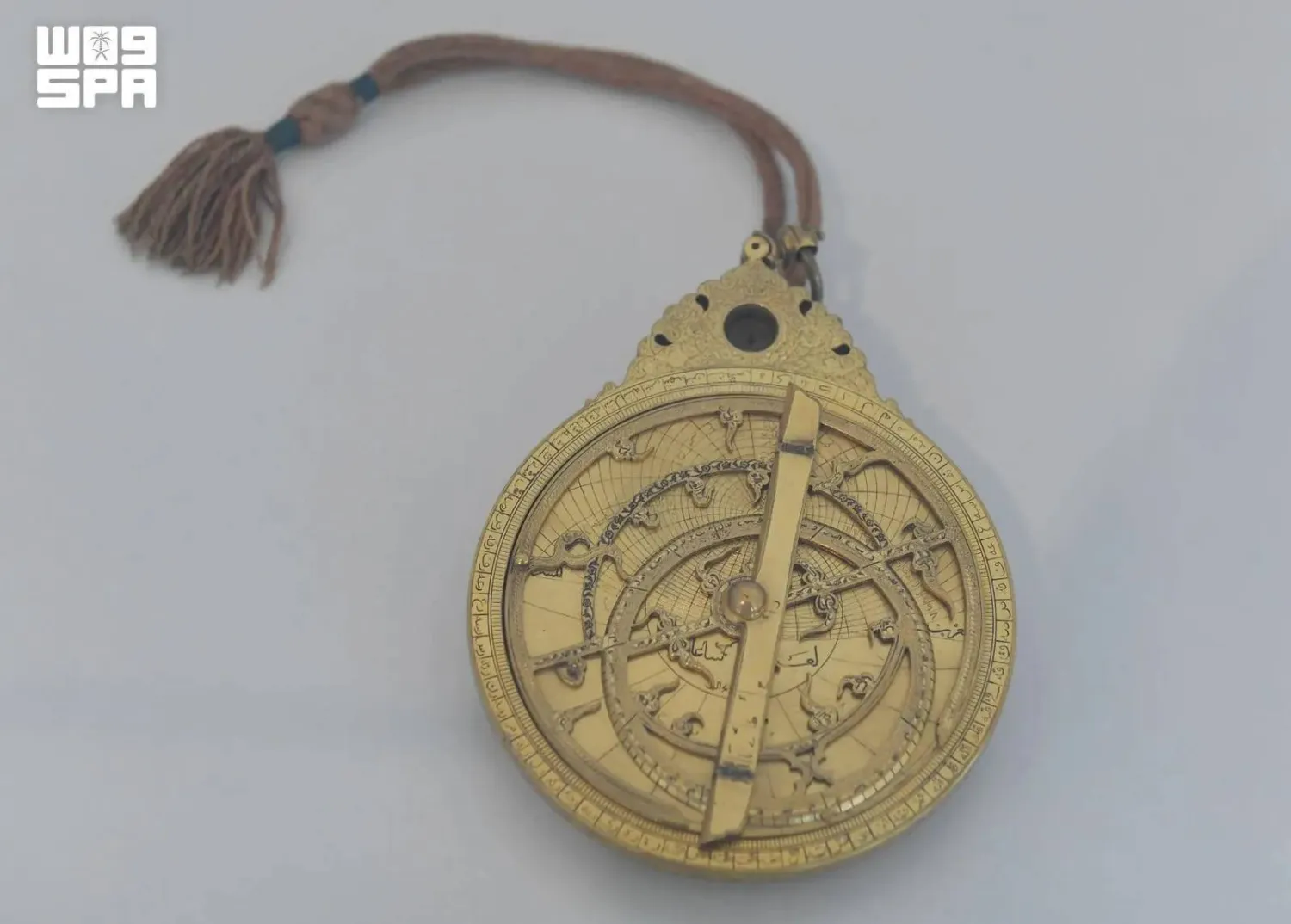

Red Sea Museum Strengthens Community Connection to Cultural Heritage through Enriching Knowledge Experiences

The program featured interactive workshops for children - SPA
TT

Red Sea Museum Strengthens Community Connection to Cultural Heritage through Enriching Knowledge Experiences

The program featured interactive workshops for children - SPA

As part of its cultural program, the Red Sea Museum presented a series of high-quality activities. These included art workshops, cultural dialogues, performance showcases, and family-oriented programs.

Together, they offered an enriching knowledge experience that blends the Red Sea’s cultural heritage with contemporary creative practices. The interactive content targeted diverse segments of society through innovative educational approaches, SPA reported.

The program covered a wide range of themes, including traditional architecture, historical photography, music, travel literature, maritime history, and public health in the Red Sea region. Activities were held across the museum’s facilities and in Jeddah’s Historic District. They were presented within a cultural framework that reintroduces heritage as a living, evolving element and a source of inspiration.

The program also featured interactive workshops for children. These introduced participants to the fundamentals of cartography and navigation. In parallel, specialized workshops revived historical photographic printing techniques through a contemporary approach.
In addition, the program included intellectual talks on traditional architecture and its relationship to identity and modern transformations.

It also offered practical workshops tracing the evolution of navigation from past to present. These activities combined theoretical knowledge with hands-on experience.

Through these initiatives, the Red Sea Museum continues to strengthen its role as a cultural anchor for the community. It builds effective bridges of engagement with various audiences through diverse programs and guided tours for schools, universities, and associations.

This approach broadens opportunities for reflection and learning, enhances the museum’s standing as a knowledge destination, and strengthens connection to the region’s cultural identity.


Farasan Islands Showcase Cultural Heritage at Jazan Festival

The exhibition serves as a cultural window into the unique character of the Farasan Islands - SPA
TT

Farasan Islands Showcase Cultural Heritage at Jazan Festival

The exhibition serves as a cultural window into the unique character of the Farasan Islands - SPA

The Farasan Islands, renowned for their rich cultural and human heritage, are prominently featured in a dedicated section at the Cultural Street during Jazan Festival 2026.

This exhibition serves as a cultural window into the unique character of the Farasan Islands, showcasing traditional crafts and professions practiced by islanders in the past and preserved today, SPA reported.

The exhibits highlight elements of maritime heritage and traditional lifestyles, including tools used in pearl diving, a historical profession, and handicrafts that demonstrate the skill of local artisans in transforming natural materials into art.

The Farasan Islands section captivated visitors at the Cultural Street, offering a comprehensive view of the islands and reflecting the richness of their cultural identity.


Culture Ministry, ALIPH Foundation Partner on Regional Headquarters in Riyadh

Culture Ministry, ALIPH Foundation Partner on Regional Headquarters in Riyadh
TT

Culture Ministry, ALIPH Foundation Partner on Regional Headquarters in Riyadh

Culture Ministry, ALIPH Foundation Partner on Regional Headquarters in Riyadh

The Saudi Ministry of Culture and the International Alliance for the Protection of Heritage (ALIPH) have signed an agreement establishing ALIPH’s first regional headquarters in Riyadh, reinforcing the Kingdom’s commitment to protecting cultural heritage.

The new office will play a pivotal role in the foundation’s efforts to protect and preserve cultural heritage in conflict, post-conflict, and crisis areas.

The agreement was signed in Riyadh by Assistant Minister of Culture Rakan Altouq, on behalf of Minister of Culture Prince Bader bin Abdullah bin Farhan, and Chair of the ALIPH Foundation Board Bariza Khiari, SPA reported.

According to a ministry press release, Saudi Arabia has been a member of ALIPH since its establishment in 2017. ALIPH has partnered with international organizations such as UNESCO and operated in countries affected by conflict, environmental disasters, and instability, providing support to hundreds of institutions across the world.

The new agreement between Saudi Arabia and ALIPH underscores the Kingdom’s efforts to preserve and protect cultural heritage.