Ministry of Culture to Host Saudi Cultural Week in Qatar

Ministry of Culture to Host Saudi Cultural Week in Qatar
TT

Ministry of Culture to Host Saudi Cultural Week in Qatar

Ministry of Culture to Host Saudi Cultural Week in Qatar

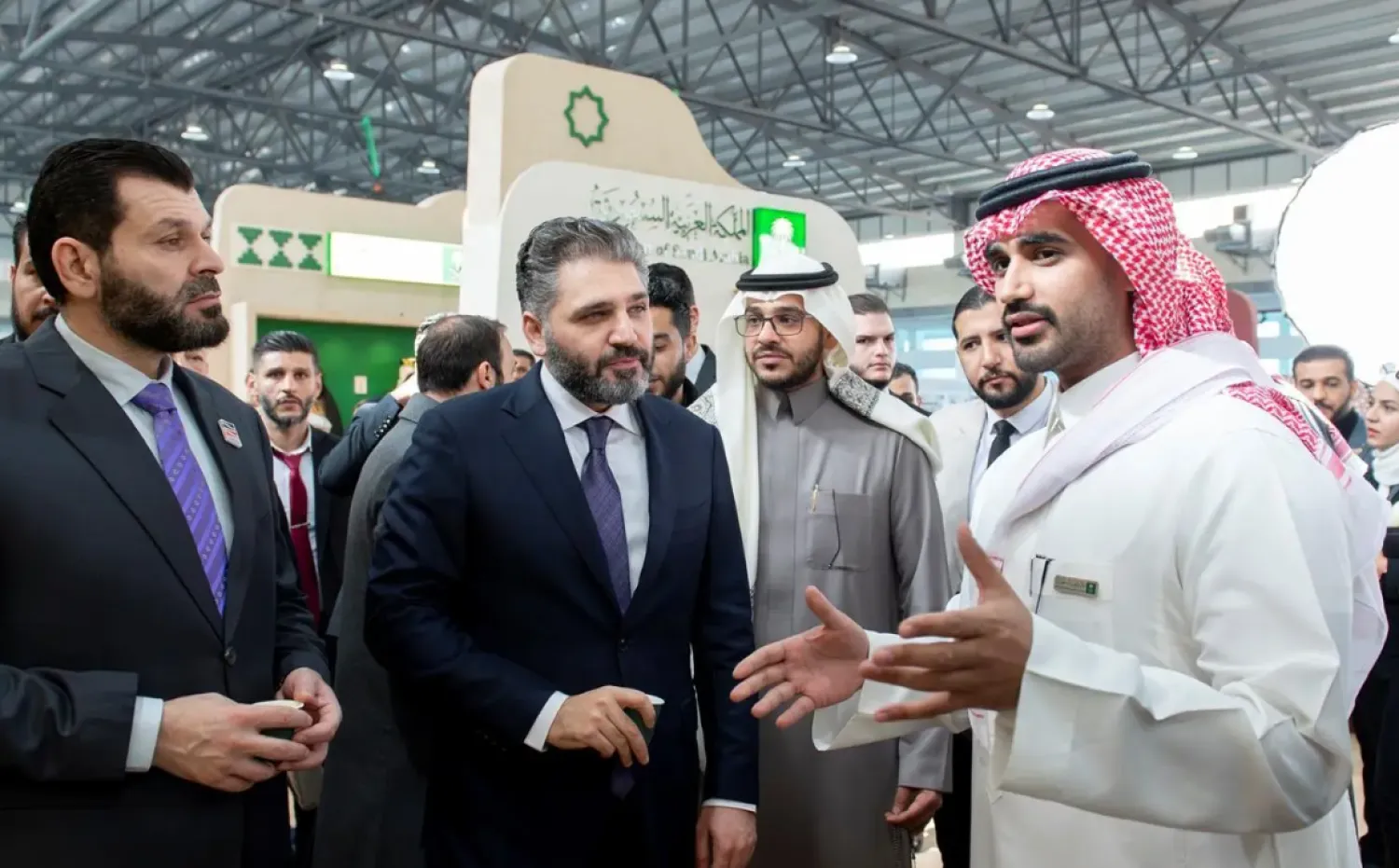
The Ministry of Culture is hosting the Saudi Cultural Week from February 18 to 21, 2025, at Darb Al Saai, Doha, in collaboration with Qatar’s Ministry of Culture. This unmissable event brings the Kingdom’s Year of Handicrafts 2025 into the spotlight. Giving visitors an insight into the country’s diverse cultural heritage, the Saudi Cultural Week will highlight the shared values between the two nations.
Several aspects of Saudi culture will be showcased by various commissions under the Ministry of Culture and Saudi cultural institutions, SPA reported.
A group of 10 skilled Saudi artisans will present traditional arts and handicrafts, including Al-Hasawi Bisht weaving and tailoring (a traditional men’s outer cloak), Al Sadu weaving (a traditional textile), and Iqal crafting (a traditional headband). Workshops will be held and organized to increase recognition of these local art forms, featuring collaborations between Qatari and Saudi artisans.
Attendees will have the chance to discover traditional Saudi fashion and view the finest designs by leading Saudi designers. Blending traditional attire with a modern perspective, these pieces will be available for purchase.
Celebrating Saudi Arabia’s cinematic heritage, the Film Commission will be screening a selection of short films. Audience will be treated to a cinematic journey through stories that capture the essence of Saudi creativity and the country’s diverse cultural landscape.
In addition, guests will have the chance to enjoy a variety of traditional performances, ranging from music and theatre to poetry, as well as Arabic calligraphy and manuscript exhibitions with a special focus on calligraphy pens and Muqahar paper (traditional polished paper). Exhibition 13/16 will also be on show, with captivating photography and video documenting Saudi Arabia’s vibrant culture.
Moreover, the event will feature live culinary demonstrations from five top Saudi chefs. Including some of the most famous dishes from various regions, visitors can sample and savour authentic Saudi flavours in person and be inspired to cook these recipes at home. A special beverage corner will also be set up to serve traditional drinks, such as Saudi coffee – a cultural symbol of the Kingdom’s generosity and hospitality.
Saudi Cultural Week in Qatar is a celebration of heritage and fosters dialogue and collaboration. The event will include an array of activities and exhibitions showcasing the Kingdom's culture, contemporary art, architecture, culinary artistry, and more, providing a platform for shared cultural values and ongoing cooperation between the two nations.



Libyans Savor Shared Heritage at Reopened National Museum

Libyans visit the National Museum after its reopening, following a closure of more than a decade in the Libyan capital Tripoli on December 23, 2025. (AFP)
TT

Libyans Savor Shared Heritage at Reopened National Museum

Libyans visit the National Museum after its reopening, following a closure of more than a decade in the Libyan capital Tripoli on December 23, 2025. (AFP)

In a historic building in central Tripoli, Libyans wander past ancient statues and artifacts, rediscovering a heritage that transcends political divides at their national museum which reopened this month after a 2011 uprising.

"I got here barely 15 minutes ago but I already feel like I've been transported somewhere. It's a different world," said architecture student Nirmine Miladi, 22.

In the waterfront building known as the red citadel -- once the seat of power -- visitors journey through a history that includes ancient art, Greek and Roman antiquities and Ottoman-era weapons and jewellery.

Miladi's sister Aya, 26, an interior design student, said she liked the bright new museum's layout, "the careful lighting, the screens and interactive tools" that all help make the museum accessible to all.

Libya plunged into chaos after a NATO-backed uprising toppled and killed longtime leader Moammar al-Gadhafi in 2011, and the country has struggled to regain stability.

Since then, the North African country has been divided, with two rival executives vying for power: a Tripoli-based Government of National Unity and an administration based in Benghazi in the country's east.

Mohamed Fakroun, head of international cooperation at the antiquities department, said the museum went through "a dark period during its 14-year closure".

Fearing looting and vandalism after Gadhafi's overthrow, the antiquities department removed "all the artifacts until the country re-stabilized", said Fakroun, 63, who has worked at the French archaeological mission to Libya for almost four decades.

- 'National symbol' -

Curator Fathiya Abdallah Ahmad is among a handful of people who knew the location of secret, sealed rooms where the museum's treasures were taken into hiding for more than a decade.

She said the antiquities department and staff worked to "preserve a historic and cultural heritage that belongs to all Libyans".

This allowed the works to be safeguarded until the museum could reopen "in a modern format that conforms to international standards", she added.

The bright new facility includes digital projections and interactive screens as well as videos, audio guides and QR codes enabling visitors to delve further.

Fakroun noted the museum has a room dedicated to Roman emperor Septimius Severus, who was born in the ancient city of Leptis Magna -- now a UNESCO World Heritage site east of Tripoli.

Another room is dedicated to stolen items that have since been returned, including from the United States and the United Kingdom, he added.

Interior design student Aya Miladi said many Libyans saw the museum's inauguration as the "return of a national symbol".

It is also "a step towards reconciliation between Libyans and with their often little-known past", after years of war, as well as a sign of stability, she added.

- 'Not without past' -

Teacher Fatima al-Faqi, 48, said there was "a world of difference" between the reopened museum and the dark, dusty facility she visited 30 years ago on a school trip.

This time, she was leading a group of high-school students to help them "discover Libya's history and nourish their sense of patriotism", she said, as pupils goggled at items from Roman statues to stuffed animals in the natural history section.

The Tripoli government has invested more than five million dollars in rehabilitating the museum and its surrounding area, despite the oil-rich country's economic woes including frequent cash and fuel shortages.

Fakroun said the six-year renovations were carried out in cooperation with the French mission and the ALIPH foundation -- the International Alliance for the Protection of Heritage.

The museum seeks to convey a hope-filled message about Libya's identity to its visitors, most of whom "were not born when it was last open before 2011", he added.

Visitor Sarah al-Motamid, 34, said that "many people don't know about our country's ancient history and look at us as if we were worthless".

She said she was visiting with her six-year-old daughter Mariam because she wanted her to "understand that we are not without a past or civilization".


Cultural Camp at King Abdulaziz Camel Festival Showcases Saudi Heritage

The camp celebrates authentic Saudi heritage and reinforces culture as a cornerstone of national identity - SPA
TT

Cultural Camp at King Abdulaziz Camel Festival Showcases Saudi Heritage

The camp celebrates authentic Saudi heritage and reinforces culture as a cornerstone of national identity - SPA

The cultural camp is a key feature of the 10th King Abdulaziz Camel Festival, held in Al-Sayahid desert. The camp celebrates authentic Saudi heritage and reinforces culture as a cornerstone of national identity, according to SPA.

It offers a range of programs, including live performances and interactive events, that highlight camels' historical significance in Arab culture and illustrate the values of patience, strength, and belonging.

The camp has attracted over 2,000 guests from 71 nationalities, emphasizing its global appeal as a cultural platform for diversity and tradition.

Visitors engage with cultural content through innovative methods that merge authenticity with modern technology, enhancing awareness of the camel's cultural legacy. This initiative aligns with Saudi Vision 2030 by preserving heritage and connecting younger generations with their roots.


Tuwaiq Sculpture 2026 Announces 25 Participating Artists for Seventh Edition

The 2026 edition features a month-long live sculpting phase alongside a community engagement program - SPA
TT

Tuwaiq Sculpture 2026 Announces 25 Participating Artists for Seventh Edition

The 2026 edition features a month-long live sculpting phase alongside a community engagement program - SPA

Under the Royal Commission for Riyadh City and Riyadh Art, Tuwaiq Sculpture has announced the selection of 25 artists for the seventh edition of the annual sculpture symposium and exhibition, taking place from January 10 to February 22, 2026.

This year’s edition unfolds under the curatorial theme “Traces of What Will Be,” inviting artists to reflect on how sculptural form can express the physical, cultural and conceptual traces that shape the future of cities and communities, SPA reported.

A total of 25 artists from 18 countries, including Saudi artists, have been selected for the seventh edition. Their proposals reflect a diverse range of artistic approaches, responding to the theme through explorations of transformation, place, and materiality.

Director of the Tuwaiq Sculpture Symposium Sarah Alruwayti said: "The seventh edition of Tuwaiq Sculpture received more than 590 applications, reflecting the cultural diversity and global interest in the symposium. The selection of the 25 participating artists was carried out by a jury of industry experts and specialists. Their proposals show meaningful engagement with the theme and reflect the strength and diversity of contemporary sculptural practice. We look forward to welcoming them to Riyadh for the creation of new works that will become lasting additions to the city.”

Building on the evolving material practice of the symposium, Tuwaiq Sculpture 2026 introduces two sculpting categories: granite with optional stainless-steel integration and reclaimed metal. Twenty artists will work in granite, while five will create new works in reclaimed metal. Over four weeks, they will produce large-scale sculptures that will later be added to Riyadh Art’s permanent public art collection.

The 2026 edition features a month-long live sculpting phase alongside a community engagement program, inviting visitors to witness the creation of artworks and take part in panel discussions and workshops. The symposium will conclude with a public exhibition showcasing the completed sculptures from its seventh edition.