Saudi Arabia’s ACWA is expanding its renewable energy, electricity storage and water desalination projects as the rapid growth of artificial intelligence and data centers drives up power demand and increases the need for reliable, efficient and competitively priced electricity.
Omar al-Hassan, ACWA CEO in Saudi Arabia, told Asharq Al-Awsat that the accelerating expansion of AI and data centers was reshaping the energy sector’s requirements.
The challenge is no longer limited to generating more electricity, he explained, but also involves ensuring a continuous supply, operational efficiency and competitive costs.
ACWA is developing projects that combine renewable energy and storage with solutions to strengthen supply reliability, drawing on its experience in large-scale power and water projects.
The company’s total power generation capacity stands at 98.2 gigawatts, while its desalination portfolio has a capacity of 9.7 million cubic meters per day.
Al-Hassan also highlighted ACWA’s efforts to harness digital technologies and AI to improve the performance of its assets, going beyond meeting rising electricity demand to developing more efficient and reliable solutions.
Storage supports renewable energy expansion
As Saudi Arabia expands its solar and wind projects, electricity storage is becoming increasingly important, allowing power generated during periods of abundant supply to be stored for use when demand rises.
Al-Hassan expects storage to play a growing role in the Kingdom’s energy system alongside generation facilities and transmission networks.
In August 2026, ACWA signed three agreements with the Saudi Power Procurement Company, acting as the principal buyer, to develop battery energy storage projects in Haden, Muwayh and Al-Kahfah.
The projects have a combined power capacity of 1,500 megawatts and an energy storage capacity of 6,000 megawatt-hours, under agreements spanning 15 years.
Al-Hassan described the projects as evidence of opportunities in the Saudi market and the importance of storage in supporting renewable energy expansion.
He expects storage to become an increasingly significant factor in planning new projects, depending on grid needs, individual project requirements and economic feasibility.
Red Sea project demonstrates off-grid potential
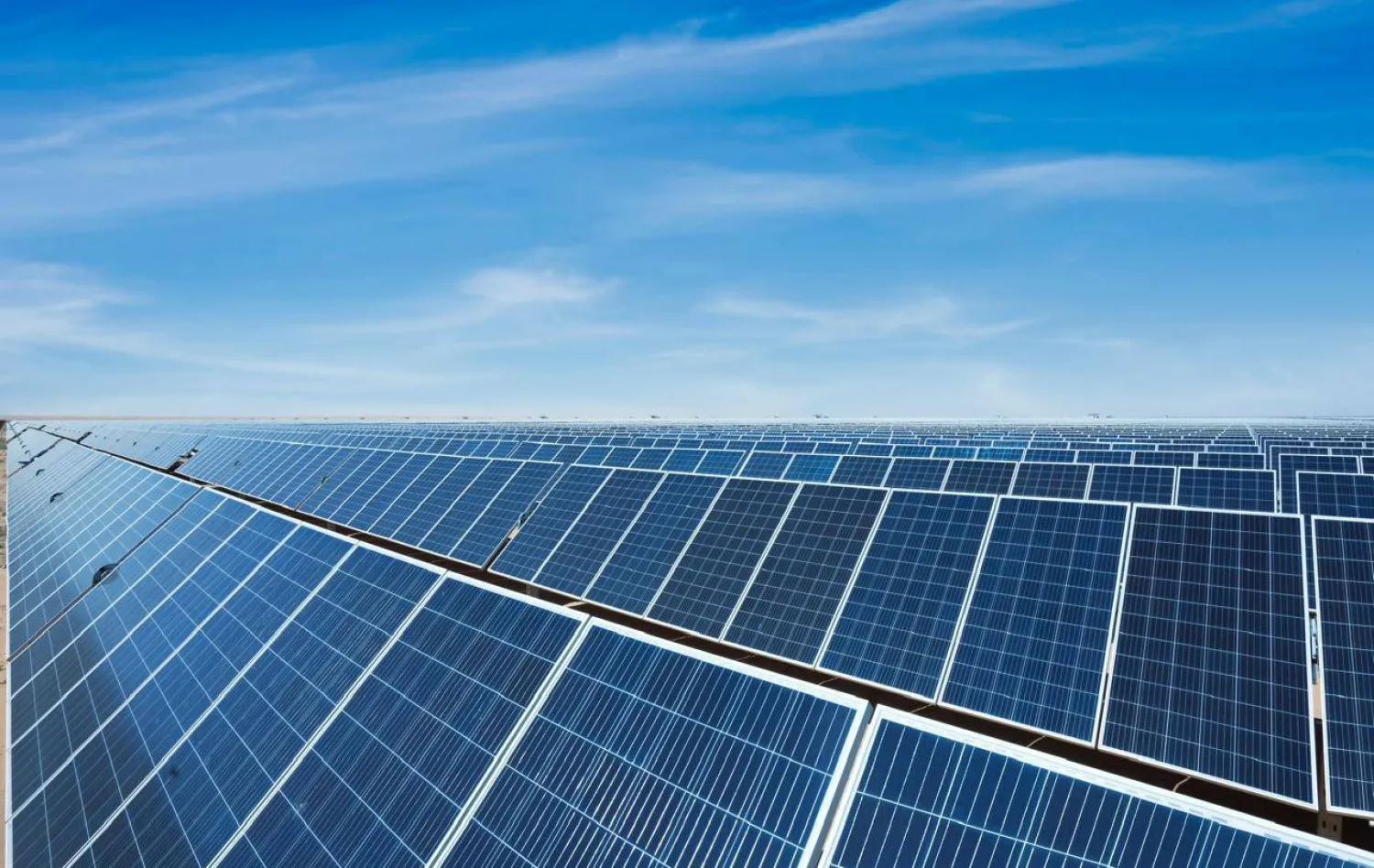
ACWA’s Red Sea project, which combines solar generation and battery storage, has demonstrated the feasibility of operating an integrated utilities system powered by renewable energy and storage without connecting to the national electricity grid.
The project began commercial operations in September 2026 and includes a 340-megawatt solar power plant and a battery storage system with a capacity of 1,227 megawatt-hours.
According to al-Hassan, the project underscores the importance of integrated planning from the outset, with generation and storage capacities designed to meet actual demand and ensure uninterrupted supplies.
He emphasized that the success of renewable energy projects depends not only on generation capacity but also on the integration of system components and operational efficiency, while accounting for differences in site requirements, costs and operating conditions.
Partnerships to advance desalination
In the water sector, ACWA sees opportunities to advance desalination through greater use of renewable energy and more efficient technologies, helping reduce energy consumption and production costs while meeting growing demand.
With a desalination portfolio capable of producing 9.7 million cubic meters of water per day, the company is focusing on improving plant efficiency, developing desalination technologies and reducing reliance on conventional energy sources wherever technically and economically feasible.
In August 2026, ACWA signed a memorandum of understanding with Veolia to cooperate on improving desalination plant designs, equipment and operational performance.
It also signed a joint development agreement with Indonesia’s PT Garam to establish a project combining seawater desalination with industrial salt production.
The project would use shared infrastructure to meet water needs and support industrial activities.
Al-Hassan identified further growth opportunities in increasing water production, improving the efficiency of existing plants, developing new technologies and expanding partnerships to provide reliable water supplies at competitive costs.