


Dollar Falls to Three-month Low as Tariffs and Growth Fears Rattle Markets

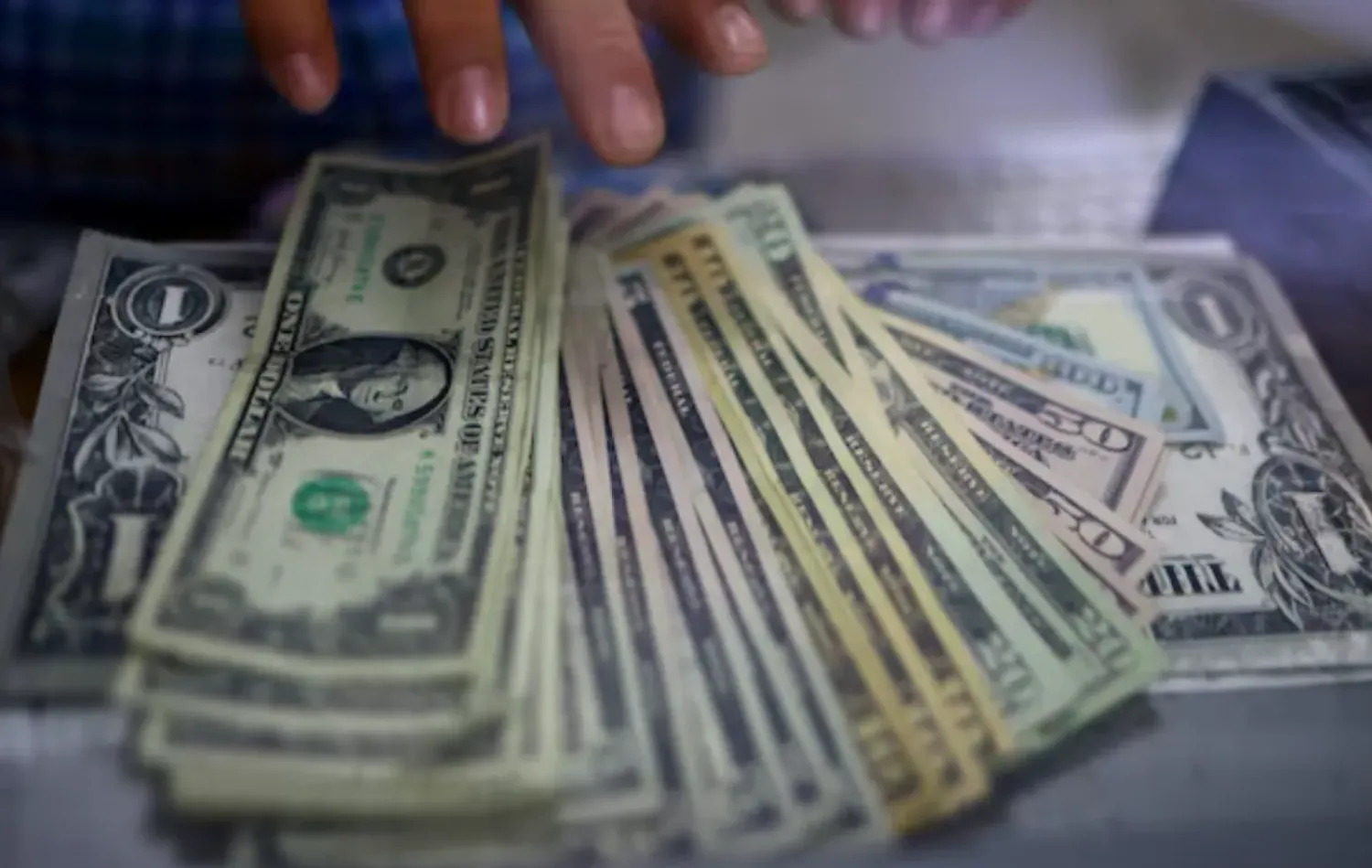
The employee of a currency exchange shop counts US dollar banknotes in Ciudad Juarez, Mexico July 27, 2023. REUTERS/Jose Luis Gonzalez/File Photo
TT

Dollar Falls to Three-month Low as Tariffs and Growth Fears Rattle Markets

The employee of a currency exchange shop counts US dollar banknotes in Ciudad Juarez, Mexico July 27, 2023. REUTERS/Jose Luis Gonzalez/File Photo

The dollar fell to a three-month low on Tuesday as concerns about slowing growth and the impact from tariffs on the US economy outweighed any potential boost from the ramping up of levies on Canada, Mexico and China.

President Donald Trump's new 25% tariffs on goods from Mexico and Canada took effect, along with a doubling of duties on Chinese goods to 20%, at 12:01 a.m. EST (0501 GMT).

In response, China said it will impose additional tariffs of 10-15% on certain US imports from March 10. Canada has said that retaliatory tariffs on the United States would take effect on Tuesday and Mexico is expected to follow suit, Reuters reported.

Worries of a trade war and the hit to other countries' economies might be expected to boost the US dollar, but recent weak economic data has weighed on the currency and bond yields in the United States.

Concerns about duties on imports dominated commentary from manufacturers in the weak Institute for Supply Management survey on Monday, which continued a run of tepid data.

The US dollar index, which tracks the currency against six peers, fell 0.54% to 105.96, its lowest since December.

"While the US is now broadening its tariff regime to Canada and Mexico, weak domestic US activity... is preventing the dollar from strengthening on the tariff news," said Chris Turner, global head of markets at ING.

Investors flocked to traditional safe-haven currencies the Japanese yen and Swiss franc, which were both up almost 1%, as growth and tariff fears knocked global stocks on Tuesday.

The Canadian dollar was around 0.45% stronger at 1.4471 per US dollar, having hit a one-month low of 1.4542 late on Monday as tariffs were confirmed.

The Mexican peso was last down roughly 0.3% at 20.76 per dollar, after earlier touching its lowest since February 3.

Analysts said many in the market were hoping tariffs might quickly be lifted if deals can be struck, much as the initial threat of levies against Canada and Mexico was halted in February.

"The size of initial moves lower for the Canadian dollar and Mexican peso has been relatively modest considering the scale of the tariffs that have been put in place," said Lee Hardman, senior currency analyst at Japanese bank MUFG.

"The price action suggests that market participants remain hopeful that the tariff hikes won't remain in place for long helping to limit trade and economic disruption."

Jeddah's King Abdulaziz Airport Launches First Direct Flight to Moscow

The expansion supports Jeddah Airports Company’s goal of broadening travel options and increasing air traffic revenue, leveraging the Kingdom's strategic location. (SPA)
TT

Jeddah's King Abdulaziz Airport Launches First Direct Flight to Moscow

The expansion supports Jeddah Airports Company’s goal of broadening travel options and increasing air traffic revenue, leveraging the Kingdom's strategic location. (SPA)

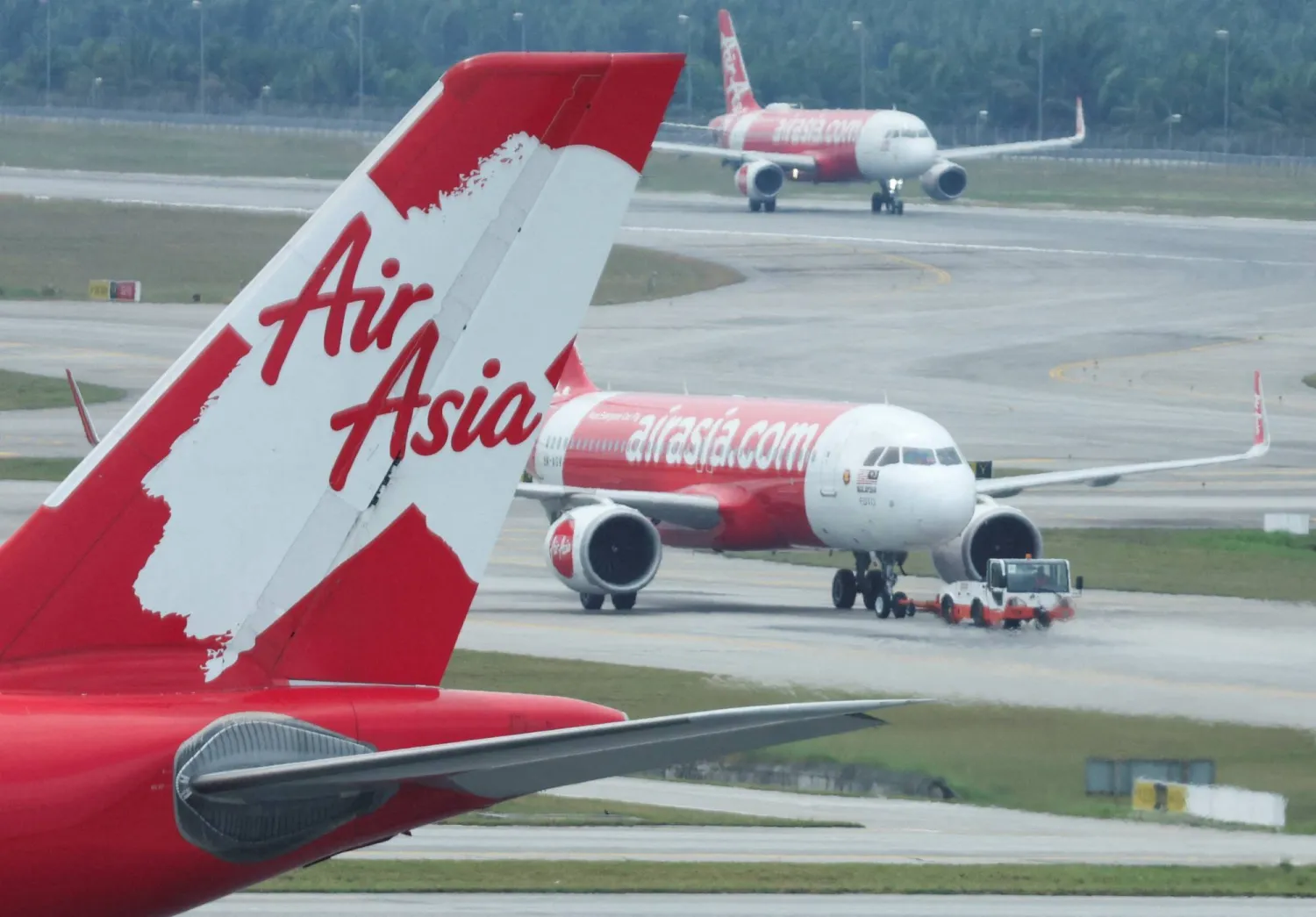
Jeddah's King Abdulaziz International Airport (KAIA) celebrated the launch of its first direct flynas flight to Moscow, operating three weekly flights between Jeddah and Vnukovo International Airport.

This initiative, in partnership with the Saudi Tourism Authority and the Air Connectivity Program, boosts air links between Saudi Arabia and Russia.

It marks KAIA's third direct Russian destination, following Makhachkala and Mineralnye Vody, which were inaugurated earlier this month by Azimuth Airlines.

The expansion supports Jeddah Airports Company’s goal of broadening travel options and increasing air traffic revenue, leveraging the Kingdom's strategic location.


China Widens Foreign Investment Incentive List to Stem Falling Inflows

People visit a shopping center in Beijing on December 20, 2025. (AFP)
TT

China Widens Foreign Investment Incentive List to Stem Falling Inflows

People visit a shopping center in Beijing on December 20, 2025. (AFP)

China on Wednesday listed more sectors eligible for foreign investment incentives, from tax breaks to preferential ​land use, in its latest effort to stem a prolonged decline in overseas capital inflows.

Under the 2025 edition of the catalogue of industries for encouraging foreign investment, China added more than 200 and revised about 300, with a ‌focus on ‌advanced manufacturing, modern services and ‌green ⁠and ​high-tech ‌sectors, the list jointly issued by the National Development and Reform Commission and the commerce ministry showed.

The new catalogue, which takes effect on February 1, 2026, replaces the 2022 version and continues a policy framework ⁠that offers foreign-invested enterprises tariff exemptions on imported equipment, preferential ‌land pricing, reduced corporate income ‍tax rates in ‍designated regions and tax credits for reinvestment ‍of profits.

The catalogue also extends incentives to central and western regions, as well as the northeast and Hainan, as Beijing seeks to attract ​more foreign investment into less developed areas.

China has in recent months ⁠taken a raft of measures to boost foreign investment, including pilot programs in Beijing, Shanghai and other regions to expand market access in services such as telecoms, healthcare and education, amid trade tensions with the United States.

Foreign direct investment in China totaled 693.2 billion yuan ($98.84 billion) from January to November this year, down 7.5% from the ‌same period last year, data from the commerce ministry showed.


Environment Ministry Launches Saudi Citrus Season with Production Exceeding 158,000 Tons

The citrus production season in the Kingdom begins in July and continues through March each year. (SPA)
TT

Environment Ministry Launches Saudi Citrus Season with Production Exceeding 158,000 Tons

The citrus production season in the Kingdom begins in July and continues through March each year. (SPA)

The Saudi Ministry of Environment, Water and Agriculture launched on Wednesday the Kingdom’s citrus season in local markets as part of its efforts to support and develop the agricultural sector and enhance food security in the country, in line with the Saudi Vision 2030.

The is part of the ministry’s ongoing efforts to support national agricultural products, raise awareness of citrus varieties and their nutritional benefits and production areas, and highlight their year-round diversity across production seasons.

These efforts help in improving marketing efficiency, boost competitiveness, and achieve rewarding economic returns.

Citrus fruits are among the most widely cultivated crops in the Kingdom. They are grown in several regions that produce a variety of citrus types, most notably lemons, oranges, mandarins, grapefruit, citron, and kumquats.

The ministry said lemon production leads Saudi citrus output, with total production exceeding 123,000 tons and more than 1.5 million fruit-bearing trees. Orange production follows, with total output reaching 35,700 tons and more than 397,000 fruit-bearing trees.

The citrus production season in the Kingdom begins in July and continues through March each year, it added.

The ministry said the Saudi citrus season has been launched with a number of major retail markets across the Kingdom showcasing local products through innovative packaging and display methods. This boosts the quality and reliability of local products and increases consumer demand during production seasons.