


Saudi Arabia to Participate in Taste of Paris 2025

Saudi Arabia to Participate in Taste of Paris 2025
TT

Saudi Arabia to Participate in Taste of Paris 2025

Saudi Arabia to Participate in Taste of Paris 2025

Saudi Arabia, represented by its Culinary Arts Commission, will participate in the upcoming Taste of Paris event from May 8 to 11.

As one of the 11 sector-specific commissions under the Ministry of Culture, the Culinary Arts Commission will present its “Taste of Saudi Culture” pavilion to foster culinary exchange, showcase the richness of Saudi Arabia’s gastronomic heritage, and provide visitors with a unique and immersive cultural experience.

The Culinary Arts Commission will showcase the diversity of Saudi culture and gastronomy with a pavilion featuring live cooking stations and tasting, along with three rooms inspired by Saudi heritage, offering visitors a unique, traditional, and immersive experience.

These three spaces will invite guests on a sensory journey across several themes: the desert and the architecture of the Kingdom’s central region; the tranquility of the oasis and the vibrant atmosphere of traditional Saudi markets; and the warm conviviality of the traditional Saudi majlis, inscribed since 2015 on the UNESCO’s Representative List of the Intangible Cultural Heritage of Humanity.

Engaging activities will be incorporated into each space to stimulate the visitors' senses, including observation games, tasting experiences, and playful gustatory illusions.

This year, dates, a symbol of Saudi Arabia's culinary heritage, will be the main ingredient featured in the dishes offered at the pavilion.

Visitors will be able to attend live cooking demonstrations by Saudi chefs and savor delectable reinterpretations of traditional Saudi dishes. Among the featured dishes are Jareesh, the national dish of Saudi Arabia, made with a twist and featuring dates, lamb with date molasses, Balilah, a chickpea dish, date-infused ice cream, and ricotta and date kunafah, as well as French pastry classics creatively reimagined with dates.

Visitors will also have the opportunity to learn more about the Kingdom’s diverse varieties of dates and discover delicious pairings of dates with different cheeses. The pavilion also offers visitors a unique tasting experience featuring traditional Saudi coffee presented with creative twists, as well as other coffee beverages infused with dates.

The Culinary Arts Commission’s participation in Taste of Paris 2025 reaffirms its commitment to empowering local talent and showcasing the diversity of Saudi Arabia’s culinary traditions.
Archaeologists Find Huge Viking Textile Production Site in Denmark

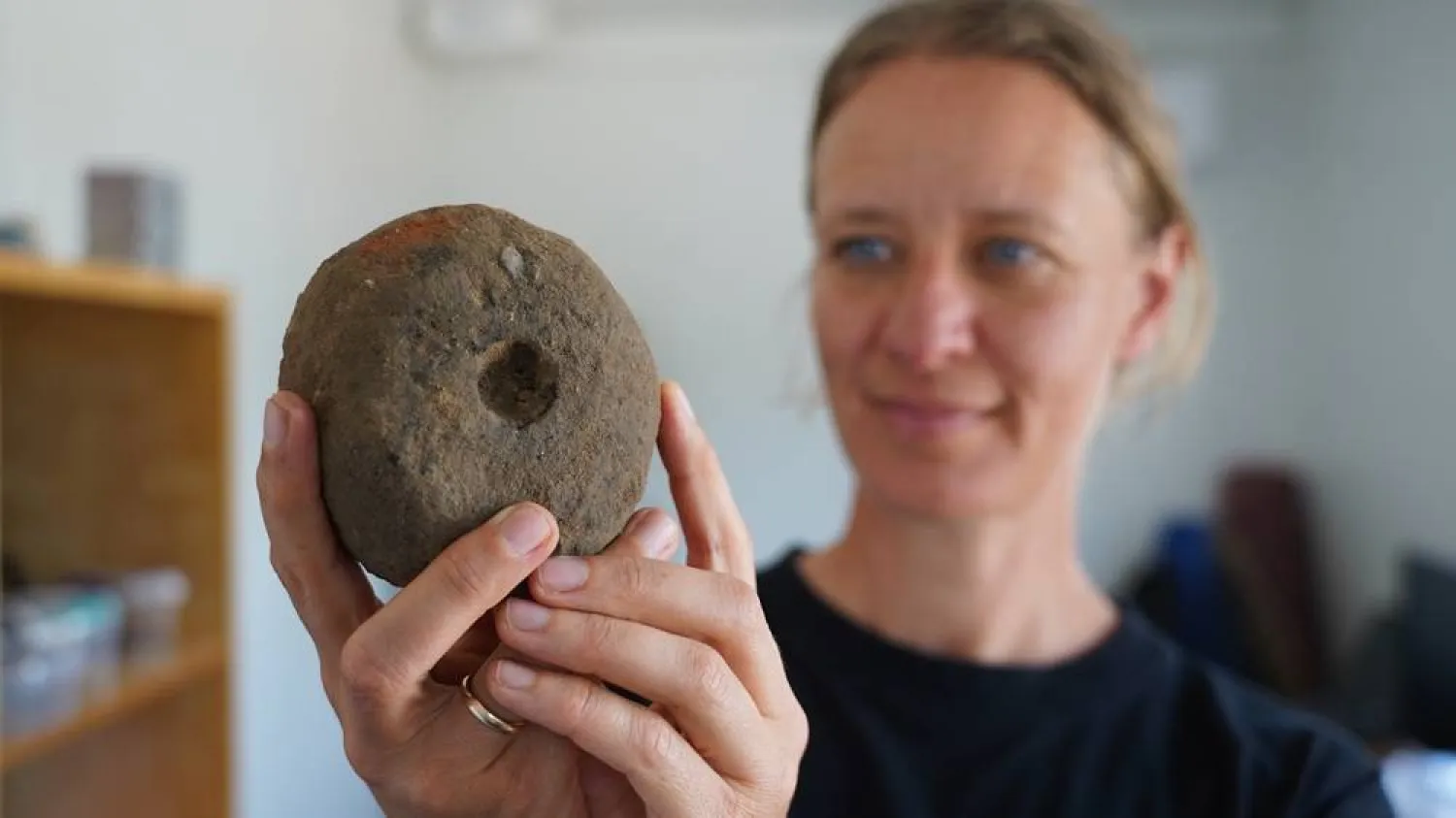
 Moesgaard Museum archaeologist Liv Stidsing Reher-Langberg holds a Viking Age weight loom unearthed in Aarhus, Denmark, on June 22, 2026. (AP)
Moesgaard Museum archaeologist Liv Stidsing Reher-Langberg holds a Viking Age weight loom unearthed in Aarhus, Denmark, on June 22, 2026. (AP)
TT

Archaeologists Find Huge Viking Textile Production Site in Denmark

 Moesgaard Museum archaeologist Liv Stidsing Reher-Langberg holds a Viking Age weight loom unearthed in Aarhus, Denmark, on June 22, 2026. (AP)
Moesgaard Museum archaeologist Liv Stidsing Reher-Langberg holds a Viking Age weight loom unearthed in Aarhus, Denmark, on June 22, 2026. (AP)

Archaeologists have discovered a huge Viking Age textile production site in Denmark that dates back more than 1,000 years and underlines the sophistication of Viking society.

Experts from the Moesgaard Museum said this week that the sprawling 100,000-square-meter (more than 1 million-square-foot) site features an area for processing flax as well as more than 80 pit houses — semi-submerged huts that were used as workshops and dwellings in Viking times.

It's located in Søften, 10 kilometers (6 miles) north of Denmark’s second-largest city, Aarhus, on the Jutland peninsula. The site dates back to the late Iron Age and early Viking Age, sometime between A.D. 600 and 950.

Archaeologist Liv Stidsing Reher-Langberg, who led the 10-month dig, said that “we have a clear focus on textile production, which makes this settlement different from other kinds of settlements of this period.”

“We have spindle whorls, we have weight looms; that tells us about what has been going on in the pit houses,” said Reher-Langberg, adding that archaeologists had also discovered silver coins, glass beads and pottery.

Experts found separate areas for production and crafts, plus a single residential home, which suggests work was overseen by a powerful individual with control over resources and production.

Reher-Langberg said that, over the last three decades, people with metal detectors had unearthed several silver coins in the area. A trial excavation 1½ years ago, before the start of construction work on a new road and industrial area, then piqued archaeologists’ interest.

“We could see in the trenches that it just keeps on going, with these houses and pit houses and textile production features,” Reher-Langberg said.

Moesgaard Museum historian Kasper Andersen said that the discovery at Søften is “another piece in the puzzle” to understanding the local economic, cultural and political structure at the time.

During the Viking era, Aarhus — then known as Aros — functioned as a center for royalty and international trade. And last year, archaeologists discovered another Viking site in Lisbjerg, just 4 kilometers (2½ miles) away, that was likely home to members of the nobility.

Goods and resources were likely brought from the countryside and settlements like Søften, before entering an extensive international trade network, Andersen said.

“When you have a production site of this scale, it cannot be only because of the local area. It needs to be understood as part of a greater network, a much bigger international perspective,” Andersen said.

Reher-Langberg hopes future carbon dating and pollen analysis might answer some lingering questions, for instance about what kind of textile production went on at the site.

During the Viking Age, considered to run from A.D. 793 to 1066, Norsemen known as Vikings undertook large-scale raids, colonization, conquest and trade throughout Europe, even reaching North America.

Andersen said that the discovery at Søften shows that Vikings were “not just simple, uncivilized, barbaric hordes, rambling about Europe.”

“To have a place like Søften, you need a very well-organized society with a production line, and you also need a market to have the production,” he said. “The textiles from Søften go into a market that’s much bigger than just the local area.”


Saudi Ambassador to Lebanon Visits Ameen Rihani Museum

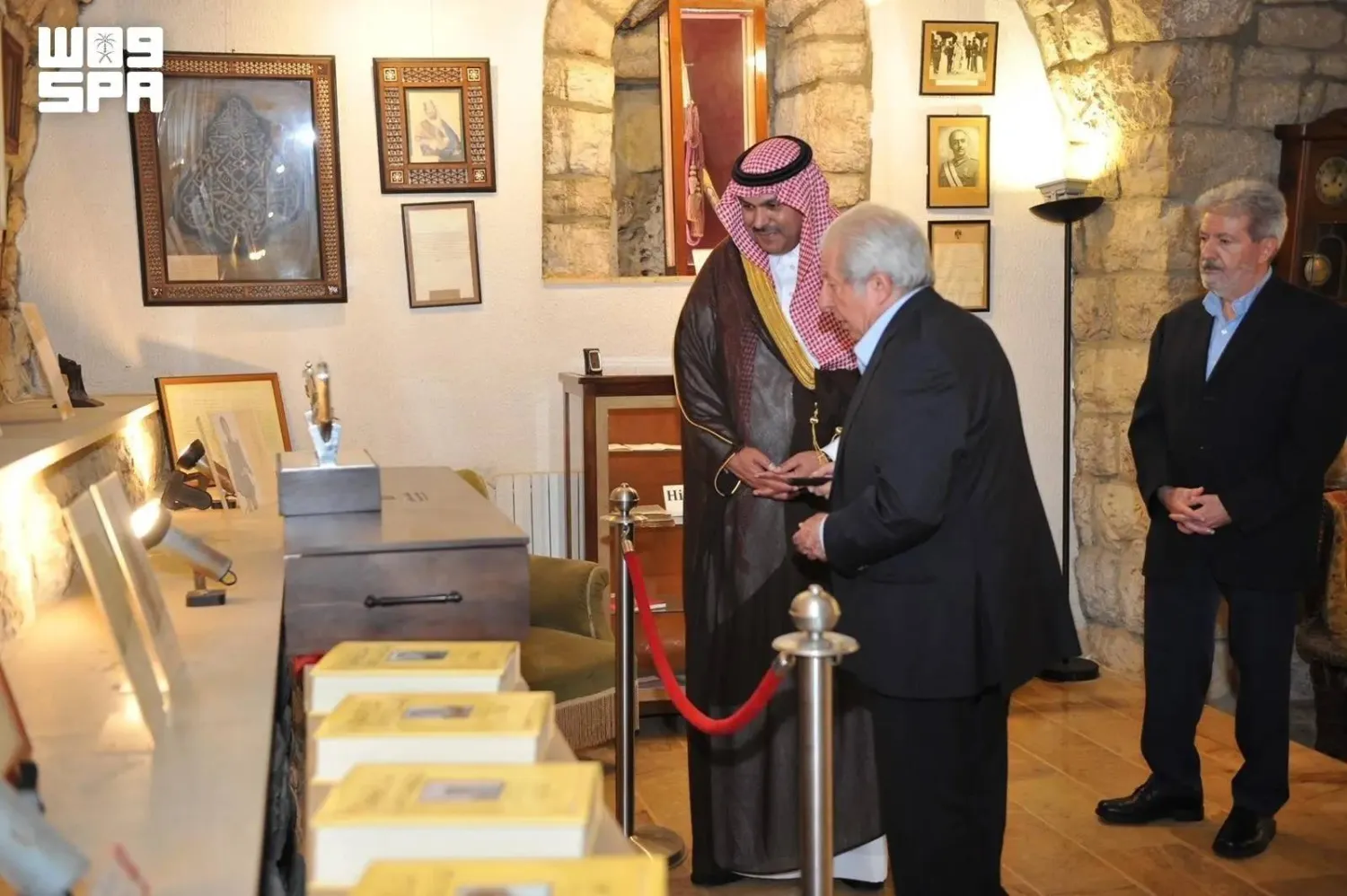
Saudi Ambassador to Lebanon Fahd Al-Dosari is seen during his visit to the museum. (SPA)
TT

Saudi Ambassador to Lebanon Visits Ameen Rihani Museum

Saudi Ambassador to Lebanon Fahd Al-Dosari is seen during his visit to the museum. (SPA)

Saudi Ambassador to Lebanon Fahd Al-Dosari visited on Monday the Ameen Rihani Museum in the town of Freike in Matn District, reported the Saudi Press Agency.

The ambassador was received by members of the Rihani family, led by the museum's curator, Ameen Albert Rihani, who welcomed him and praised the historic relations between Saudi Arabia and Lebanon.

They recalled the historic meeting between King Abdulaziz bin Abdulrahman Al Saud and Lebanese writer and historian Ameen Rihani in 1922.

During the visit, Al-Dosari toured the museum's historical and literary sections and viewed the exhibition marking the centenary of the book “Rihaniyyat”.


On World Camel Day, Saudi Arabia’s AlUla Celebrates Camel Heritage and Reinforces Its Cultural Identity

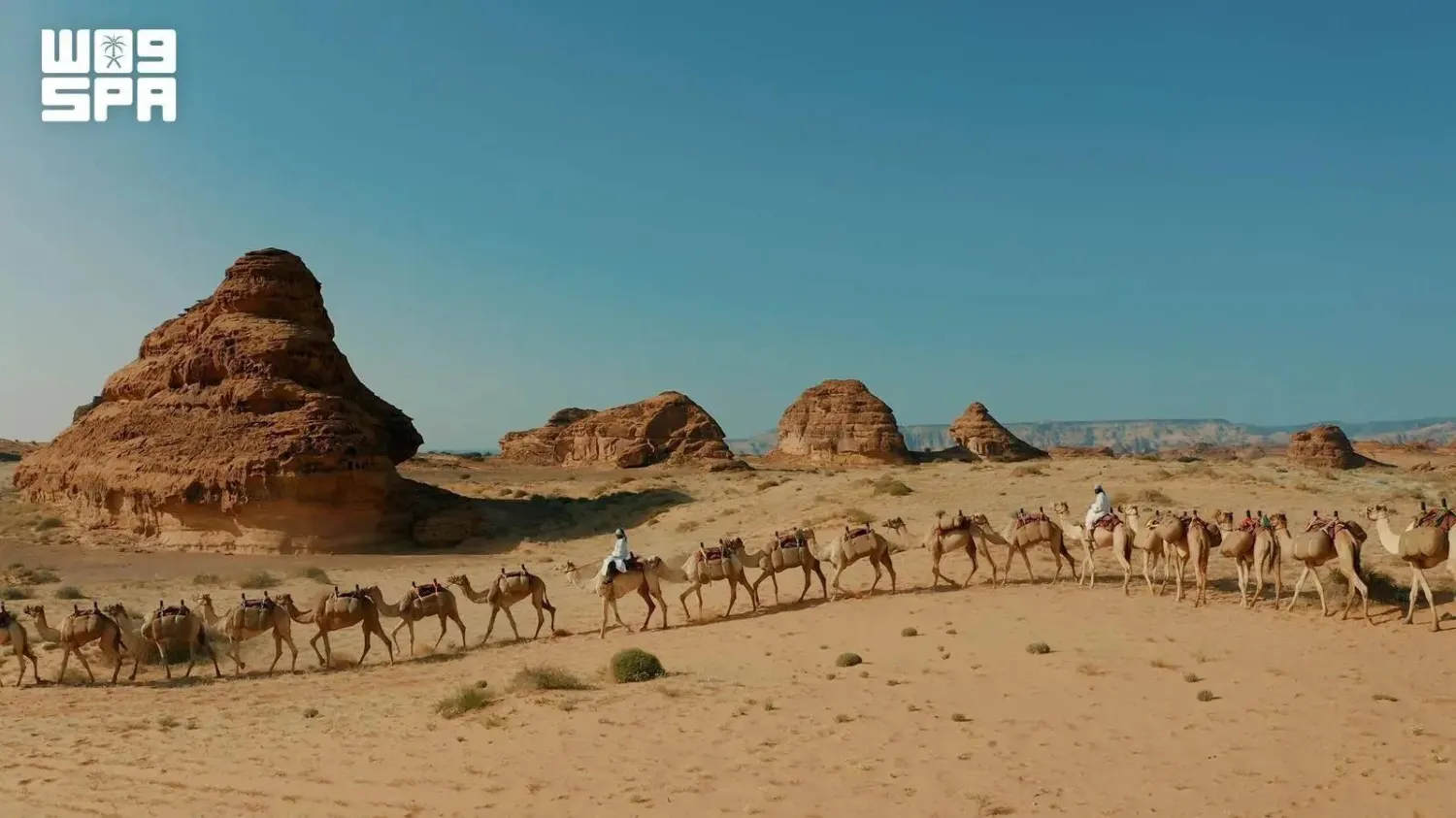
In Saudi Arabia, the relationship with camels extends beyond traditional heritage to form an integral part of national identity and collective memory. (SPA)
TT

On World Camel Day, Saudi Arabia’s AlUla Celebrates Camel Heritage and Reinforces Its Cultural Identity

In Saudi Arabia, the relationship with camels extends beyond traditional heritage to form an integral part of national identity and collective memory. (SPA)

World Camel Day, observed annually on June 22, serves as a global occasion to reflect on the enduring relationship between humans and camels throughout history.

The day highlights camels' economic contributions, their role in supporting food security and sustainable development, and their cultural significance, which extends beyond geographical boundaries and has made them a deeply rooted symbol in the collective memory of peoples worldwide, reported the Saudi Press Agency on Monday.

In Saudi Arabia, the relationship with camels extends beyond traditional heritage to form an integral part of national identity and collective memory. This is reflected in the significant attention devoted to the sector through specialized initiatives and events, support for camel owners, and efforts to preserve and sustain this heritage as one of the Kingdom's most prominent cultural assets.

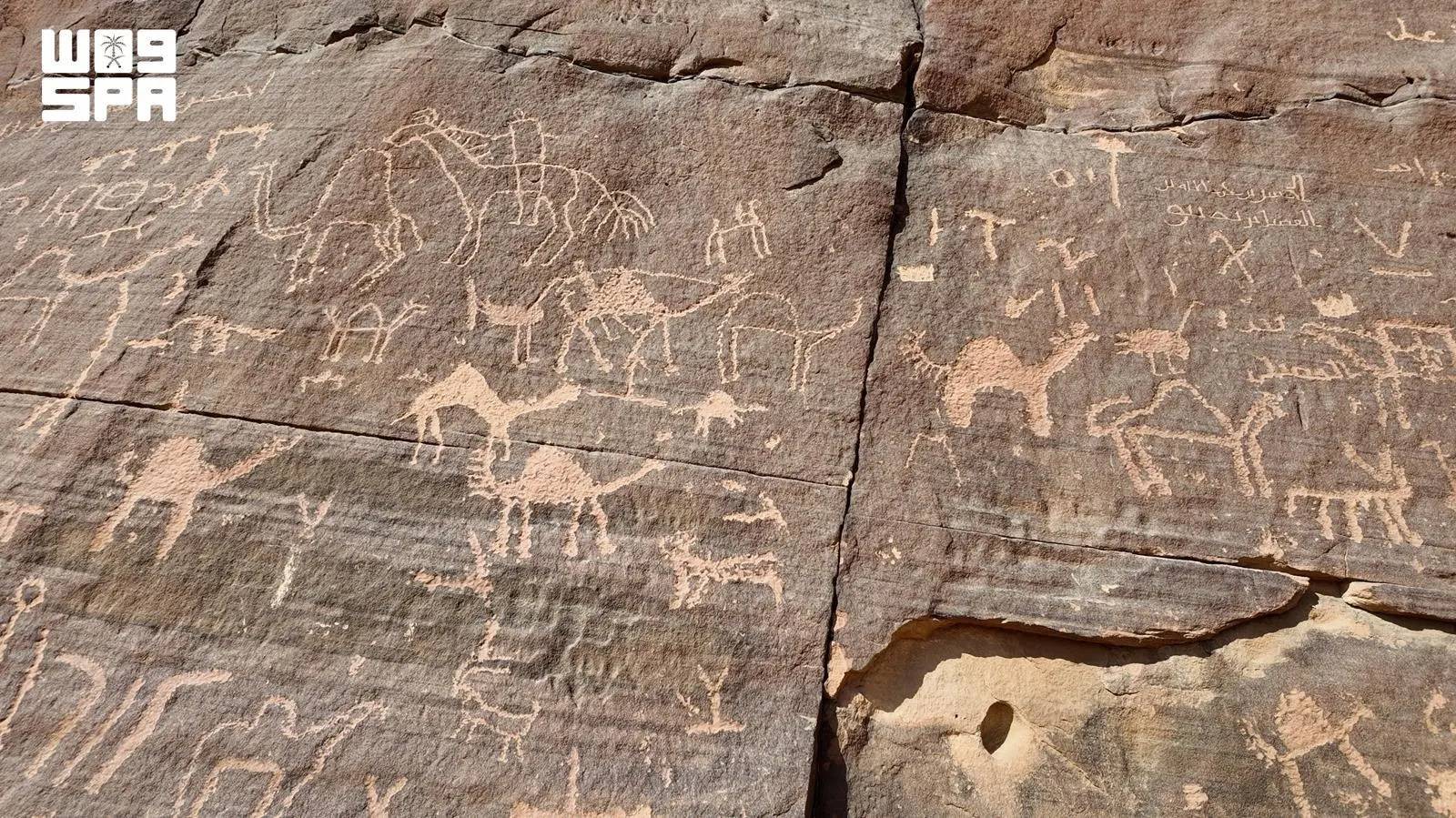
Across AlUla, rock art and inscriptions dating back thousands of years tell the story of the close relationship between humans and camels. (SPA)

Across AlUla, rock art and inscriptions dating back thousands of years tell the story of the close relationship between humans and camels. These animals contributed to the prosperity of trade routes, facilitated mobility, and supported the stability of successive communities.

Camels remain an essential part of AlUla's heritage and a testament to the deep connection between people and their environment since ancient times.

Today, camels in AlUla are more than witnesses to history. They are an integral part of the region's cultural and sporting landscape and a key element of the tourism experience offered by the land of civilizations.

Through a contemporary vision that combines the authenticity of history with the aspirations of the future, AlUla continues to showcase this rich heritage, ensuring that camels remain among the most enduring symbols in the story of people and place across generations.
