Saudi General Authority for Awqaf Launches Awareness Hajj Campaign

A general of the Grand Mosque in the holy city of Makkah. (SPA)
TT

Saudi General Authority for Awqaf Launches Awareness Hajj Campaign

A general of the Grand Mosque in the holy city of Makkah. (SPA)

Saudi Arabia's General Authority for Awqaf has launched its awareness campaign for the Hajj season, highlighting the vital role of endowments in serving pilgrims.

The campaign aims to showcase various endowment initiatives that facilitate the Hajj journey, while providing pilgrims a comprehensive spiritual experience rooted in care, generosity, and solidarity, reported the Saudi Press Agency on Monday.

Through its awareness campaign, the authority aims to boost community understanding of the crucial role endowments play in supporting projects related to guidance, accommodation, water supply, translation services, safety, and educational programs at the two holy mosques.

It also supports initiatives that integrate various government agencies, such as the Pilgrims City in Al-Jouf Region, which receives pilgrims arriving by land through the Kingdom's northern border crossings, and the Makkah Route Initiative, which aims to serve more than one million pilgrims.

The campaign is part of the authority’s ongoing efforts to emphasize the developmental and social values of endowments and to activate their role during significant seasons of worship. This reinforces the authority’s position as a development enabler and strategic partner in serving pilgrims.


Saudi Arabia Condemns Israeli Violations in the Region

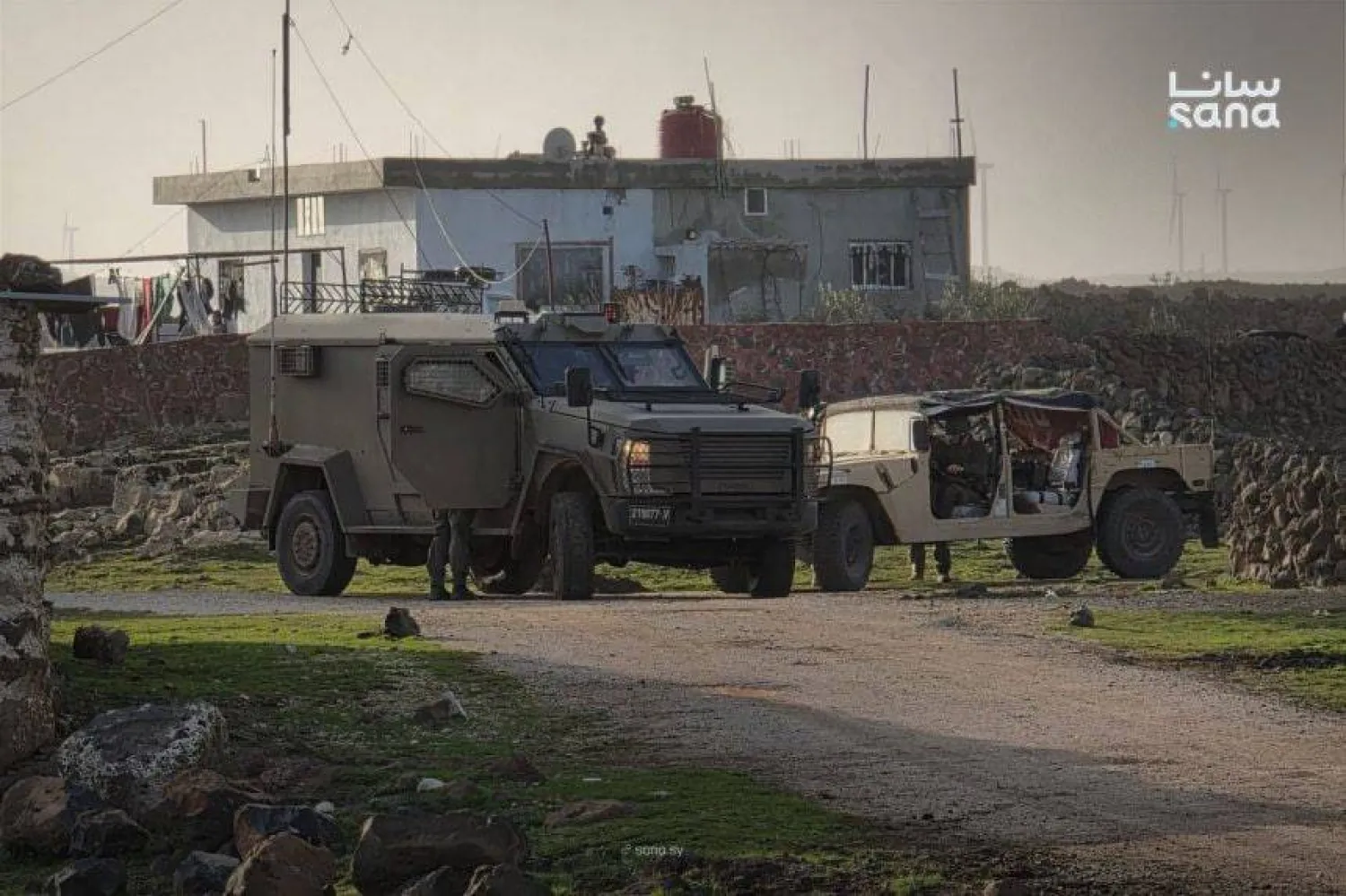
Israeli forces are seen during an incursion in Syria. (SANA file)
TT

Saudi Arabia Condemns Israeli Violations in the Region

Israeli forces are seen during an incursion in Syria. (SANA file)

Saudi Arabia condemned on Wednesday Israel's continued blatant violations in the region, most recently the incursions into the rural areas of Syria's Quneitra and Daraa governorates.

In a statement, the foreign ministry said: "Saudi Arabia expresses its categorical rejection of the Israeli forces' intimidation of peaceful civilians and violations of international laws and norms.”

“It stresses the importance of halting Israeli infringements on the sovereignty of Syrian territory and adhering to the 1974 Disengagement Agreement to preserve security and stability in the region,” it added.

The Kingdom reiterated its support for Syria's sovereignty and territorial integrity.


Saudi Arabia Condemns Iran Attacks on Bahrain, Kuwait, UAE Tanker

Vehicles move on a highway in Kuwait. (AFP)
TT

Saudi Arabia Condemns Iran Attacks on Bahrain, Kuwait, UAE Tanker

Vehicles move on a highway in Kuwait. (AFP)

Saudi Arabia strongly condemned on Wednesday Iran’s attacks on Bahrain, Kuwait and an oil tanker belonging to the United Arab Emirates.

A Foreign Ministry statement underlined Saudi Arabia’s “complete rejection of Iran’s continued aggression against brotherly countries and its threats to freedom of maritime navigation and trade routes.”

It reiterated its call “for an end to such acts of aggression, respect for international law and the principles of good neighborliness, and support for diplomatic efforts aimed at achieving peace and resolving the crisis through negotiations, to safeguard the security and stability of the region and its peoples.”

Secretary-General of the Gulf Cooperation Council (GCC) Jasem Albudaiwi also strongly condemned the attack on Kuwait.

He said Iran’s continuation of its attacks “reflects its persistence in undermining de-escalation efforts, as well as a flagrant disregard for the principles of good neighborliness, the rules of international law, and the United Nations Charter.”

He called on the international community “to assume its responsibilities toward these grave and repeated Iranian assaults and to take effective measures to halt them, ensuring respect for state sovereignty and preserving peace and security in the region.”

Albudaiwi reiterated the GCC states’ “full and steadfast solidarity with Kuwait, standing united by its side and backing all measures it takes to protect its security and stability, safeguard its sovereignty and assets, and ensure the safety of its citizens and residents on its territory.”


UAE State Oil Firm Says One Missing After Ship Hit in Hormuz

Vessels at the Strait of Hormuz, as seen from Musandam, Oman, November 17, 2026. (Reuters)
TT

UAE State Oil Firm Says One Missing After Ship Hit in Hormuz

Vessels at the Strait of Hormuz, as seen from Musandam, Oman, November 17, 2026. (Reuters)

UAE state oil firm ADNOC said Wednesday that a crew member was missing after a ship belonging to the company was struck in the Strait of Hormuz.

"All other crew members have been safely evacuated from the vessel. Eleven sustained injuries and where required are receiving medical care," ADNOC said, adding that search and rescue operations were continuing.

British maritime security agency, UKMTO, said on Wednesday that the tanker had been struck a day earlier by "an unknown projectile" in the Strait of Hormuz, about 13 nautical miles north of Khasab, an Omani town overlooking the strategic waterway.

The agency did not identify the vessel, but confirmed one crew member was missing.

"A fire occurred onboard, which has since been extinguished," UKMTO said, adding that the extent of the damage and any environmental impact remained unknown.

Before the Middle East war triggered by US-Israeli strikes on Iran on February 28, around one-fifth of the world's oil and liquefied natural gas supplies passed through the Strait of Hormuz.

Since the conflict began, Iran has tightened its grip on the Strait of Hormuz, with vessels transiting the strategic chokepoint coming under near-daily attack as Tehran insists they follow routes approved by its authorities.

The US has responded by imposing a blockade on Iranian ports, and its navy escorts tankers through the narrow passage.