China's Xi Calls for De-Escalation Between Israel and Iran ‘as Soon as Possible’ https://english.aawsat.com/world/5155653-chinas-xi-calls-de-escalation-between-israel-and-iran-%E2%80%98-soon-possible%E2%80%99%C2%A0
China's Xi Calls for De-Escalation Between Israel and Iran ‘as Soon as Possible’
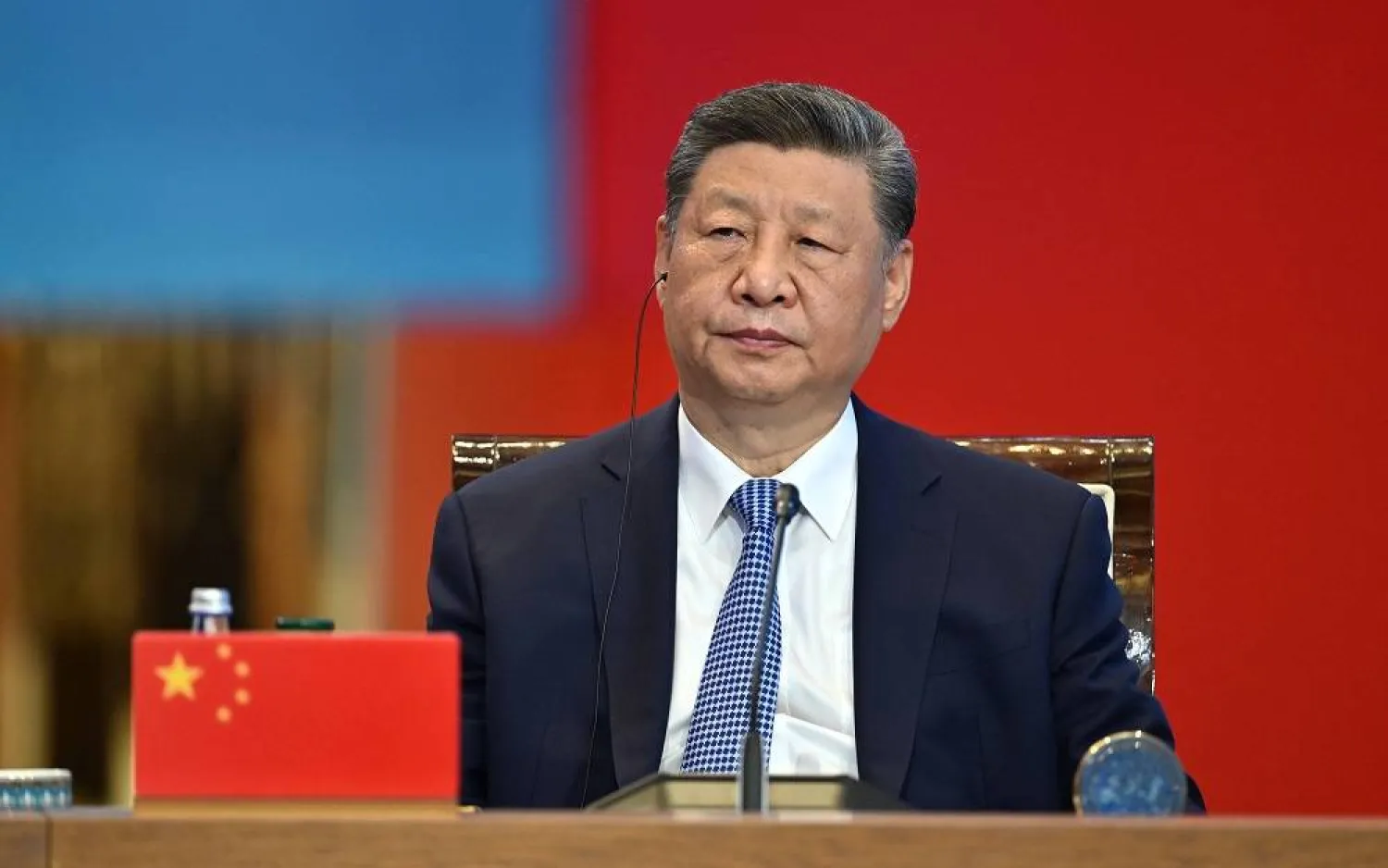
This handout picture made available by Kazakhstan's Presidential Press Office shows Chinese President Xi Jinping during the "Central Asia – China" summit in Astana, Kazakhstan, 17 June 2025. (EPA/ Kazakhstan’s Presidential Press Office Handout)
TT
TT
China's Xi Calls for De-Escalation Between Israel and Iran ‘as Soon as Possible’
This handout picture made available by Kazakhstan's Presidential Press Office shows Chinese President Xi Jinping during the "Central Asia – China" summit in Astana, Kazakhstan, 17 June 2025. (EPA/ Kazakhstan’s Presidential Press Office Handout)
Chinese President Xi Jinping called for the de-escalation of tensions in the Middle East “as soon as possible” and said China is “deeply worried as Israel’s military operation against Iran has caused a sudden escalation of tensions in the Middle East.”
Xi, on a visit to the Kazakh capital Astana late Tuesday, added that China “opposes any actions that infringe upon sovereignty, security and territorial integrity of other countries.”
He added that “China is ready to work with all parties to play a constructive role in restoring peace and stability in the Middle East.”
China has already called on all its nationals to leave Iran, with whom it has long maintained close trade and political ties.
US nuclear-powered aircraft carrier USS Abraham Lincoln (CVN-72) departs Laem Chabang Port, near the city of Pattaya on September 6, 2026. (Photo by Chanakarn LAOSARAKHAM / AFP)
USS Abraham Lincoln Departs Thailand after Port Call
US nuclear-powered aircraft carrier USS Abraham Lincoln (CVN-72) departs Laem Chabang Port, near the city of Pattaya on September 6, 2026. (Photo by Chanakarn LAOSARAKHAM / AFP)
Thousands of US sailors aboard an aircraft carrier departed from Thailand on Sunday, AFP journalists said, concluding its first port call following reports of deteriorating living conditions on board after nine months at sea.
The 5,000-strong crew of the USS Abraham Lincoln docked just north of the resort town of Pattaya, near Bangkok, on Wednesday for five days of rest and recreation after a lengthy Middle East deployment.
Amid Thailand's tourism low season, their arrival raised hopes for businesses in Pattaya, a city known for its beaches and nightlife.
The Lincoln departed from the port of Laem Chabang, a half-hour drive from Pattaya, at around 11:00 am (0400 GMT), AFP journalists saw.
Security was stepped up in Pattaya during the visit, with authorities cracking down on sex workers ahead of the sailors' arrival -- although the mayor denied it was linked.
Despite concerns about possible trouble, local police said Sunday that the port call ended largely without incident.
"Everything went fine," Pattaya police chief Anek Srathongyoo told AFP.
"There were no arrests or arguments except on the first day when Americans had an argument among themselves," he said.
The US Navy sent two sailors back to the Lincoln after a drunken altercation in the early hours of Thursday near Pattaya's nightlife hotspot Walking Street, the police chief said earlier.
He had described the "small scuffle" as "trivial" and said local residents only called police to prevent the dispute from escalating.
Last month, US Democratic lawmakers called for an investigation into conditions on the Lincoln following reports of food shortages, broken plumbing and mental health crises.
President Donald Trump dismissed the concerns, which have fueled criticism of his dragging war on Iran, although the Lincoln was replaced in the Middle East by the USS George Washington.
The enlisted Americans were estimated to have spent up to 100 million baht ($3 million) during their visit, Pattaya Mayor Poramase Ngampiches said on Sunday.
In addition, the city benefitted from "selling other supplies such as toothpaste to the ship worth millions of baht (tens of thousands of dollars)", Poramase told AFP.
Media reports said sailors on the Lincoln had gone without basic toiletries, including toothpaste, deodorant and soap, at points during their deployment.
Many of the sailors and Marines spent their time on Thailand's coast shopping and visiting tourism sites, Poramase said.
"It shows that they are missing their families and want to buy some souvenirs for them," he said.
US Intelligence: Iran Appears Determined to Continue Warhttps://english.aawsat.com/world/5315172-us-intelligence-iran-appears-determined-continue-war
Members of Basij paramilitary forces stand guard outside the Grand Mosalla, on the day international delegates participate in a farewell ceremony for Iran's late Supreme Leader Ali Khamenei, who was killed on February 28 during Israeli and US airstrikes on Iran, in Tehran, Iran, July 3, 2026. Majid Asgaripour/WANA (West Asia News Agency) via REUTERS
TT
TT
US Intelligence: Iran Appears Determined to Continue War
Members of Basij paramilitary forces stand guard outside the Grand Mosalla, on the day international delegates participate in a farewell ceremony for Iran's late Supreme Leader Ali Khamenei, who was killed on February 28 during Israeli and US airstrikes on Iran, in Tehran, Iran, July 3, 2026. Majid Asgaripour/WANA (West Asia News Agency) via REUTERS
Washington: Julian Barnes, Dustin Volz
Iran has grown more confident in its ability to attack targets in the Middle East and appears determined to continue the conflict for months to frustrate the United States, according to US intelligence reports in recent weeks.
In many respects, the assessments reflect what has been observable on the ground as fighting erupted again after a period of relative calm. In the past week, Iran targeted ships in the Strait of Hormuz and American troops in the region, and US forces struck inside Iran, killing military personnel and civilians.
The new exchanges have been limited so far. But the intelligence reports, according to people who have read them, suggest that Iran’s hard-line government might be contemplating a significant escalation.
Iran has emerged from months of the on-again, off-again war with a far better understanding of its military strengths and is more sure of its capabilities, according to officials briefed on the intelligence.
The reports, some current and former officials said, suggest that any agreement to fully end the war will be hard to reach. There are few signs that Iran is ready to make any sort of deal with the United States, content to exacerbate US President Donald Trump’s political problems ahead of the US midterm elections, according to some officials.
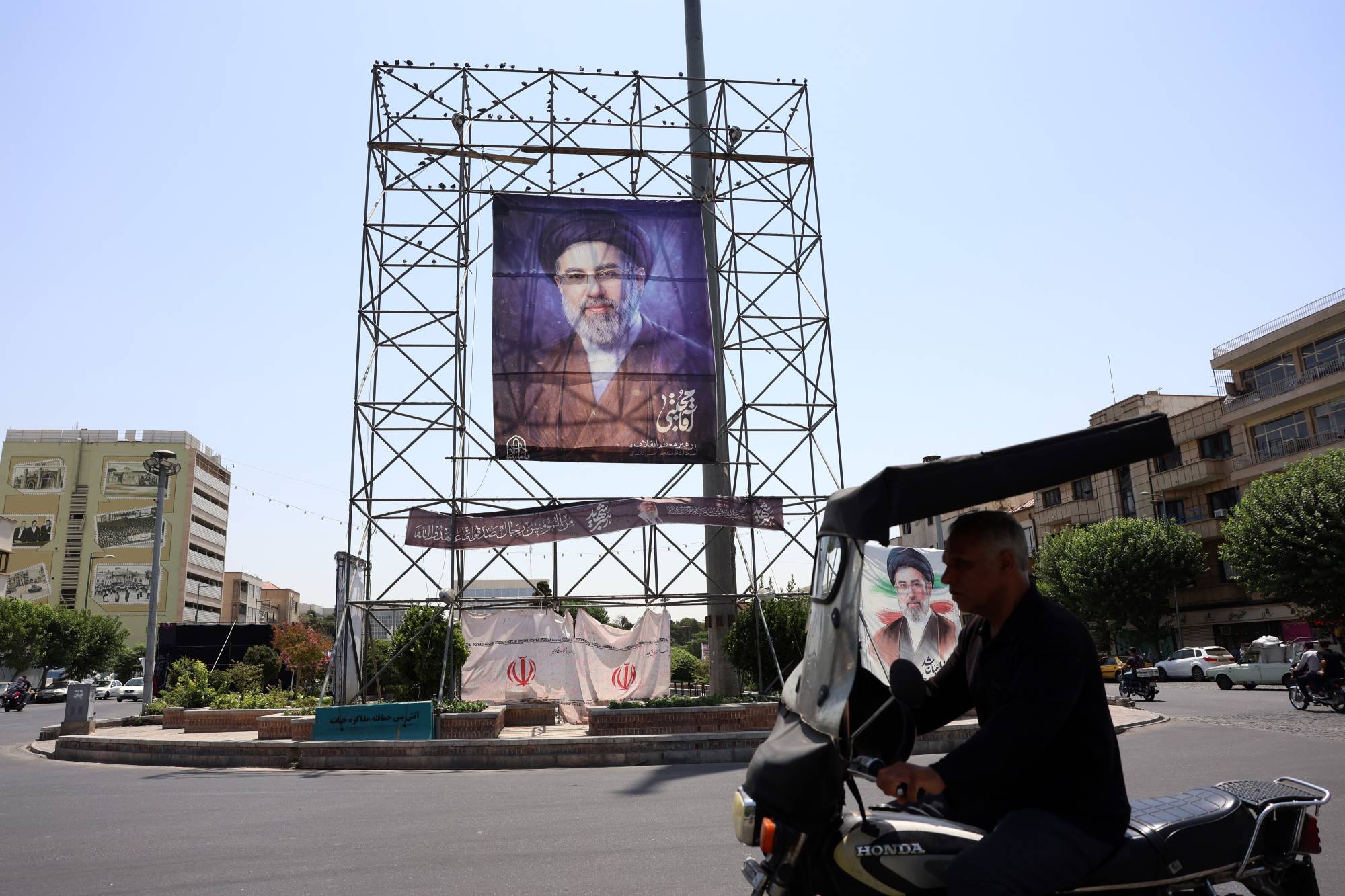
A man drives next to a billboard of Iranian supreme leader Mojtaba Khamenei in a street in Tehran, Iran, 09 July 2026. EPA/ABEDIN TAHERKENAREH
Trump, for now, is not pursuing negotiations and has said he believes he can apply economic pressure on Iran that would force Tehran to make concessions on its control of the strait and perhaps, eventually, its nuclear program. But in the short term, US economic sanctions are likely to continue to provoke escalation, according to officials who have read the intelligence reports.
In the coming weeks, Iran could take actions akin to what it did in July, according to US officials. At that time, Iran attacked American military bases in the Middle East, killing three Americans in Jordan; struck shipping in the Strait of Hormuz; and struck infrastructure in Kuwait and elsewhere.
US officials also believe that Iran-linked hackers were most likely responsible for cyberattacks on more than 100 water systems throughout the United States in late July. Though there were no indications any system was degraded in a way that made water unsafe to drink, the attacks in some cases led to disruptions that required manual overrides and precautionary boil-water advisories.
Current and former officials said the hackers have also shown interest in attacking American oil and gas infrastructure, though those systems are generally seen as harder to penetrate. It is not clear whether any energy systems have been breached.
There are signs that Iran-linked hackers may have regrouped in recent months after sustaining some losses at the start of the war, according to current and former US officials.
Even absent serious disruptions, cyberattacks are likely to remain an appealing way for Iran to seek to undermine public support in the United States for an already unpopular war, former intelligence officials and security experts said.
Alex Orleans, a former US government cybersecurity contractor who specializes in tracking Iranian hacking groups, said Iran’s cyberoperators probably feel emboldened. “Even if such attacks fail to meaningfully unsettle the American public, they can still play into a broader effort to exhaust domestic patience with this administration’s handling of the conflict,” he said.
At a news briefing on Thursday, Vice President JD Vance appeared to acknowledge that such attacks could further erode support for a conflict that has no clear end in sight. He sought to downplay the threat to Americans, but said the Trump administration expected Tehran to continue to “try to do a lot of things” to target the United States.
“If you look at the Iranian ability to disrupt the normal lives of Americans, I think it is quite limited,” Vance said, responding to a reporter’s question about cyberattacks. “It’s not zero, but it’s quite limited. I’d be much more worried about cyberattacks from other actors.”
Trump predicted a quick and decisive victory as US and Israeli forces launched the war on Feb. 28. After waves of punishing attacks, the president’s critics say it is painfully clear that the Trump administration underestimated Iran’s resilience.
“Iranians are feeling pretty bullish about their position,” said Representative Jason Crow, Democrat of Colorado and a member of the Intelligence Committee. “They have taken substantial damage, but that has always been built into their system. They understand they can take damage, and they are playing a much longer game here.”
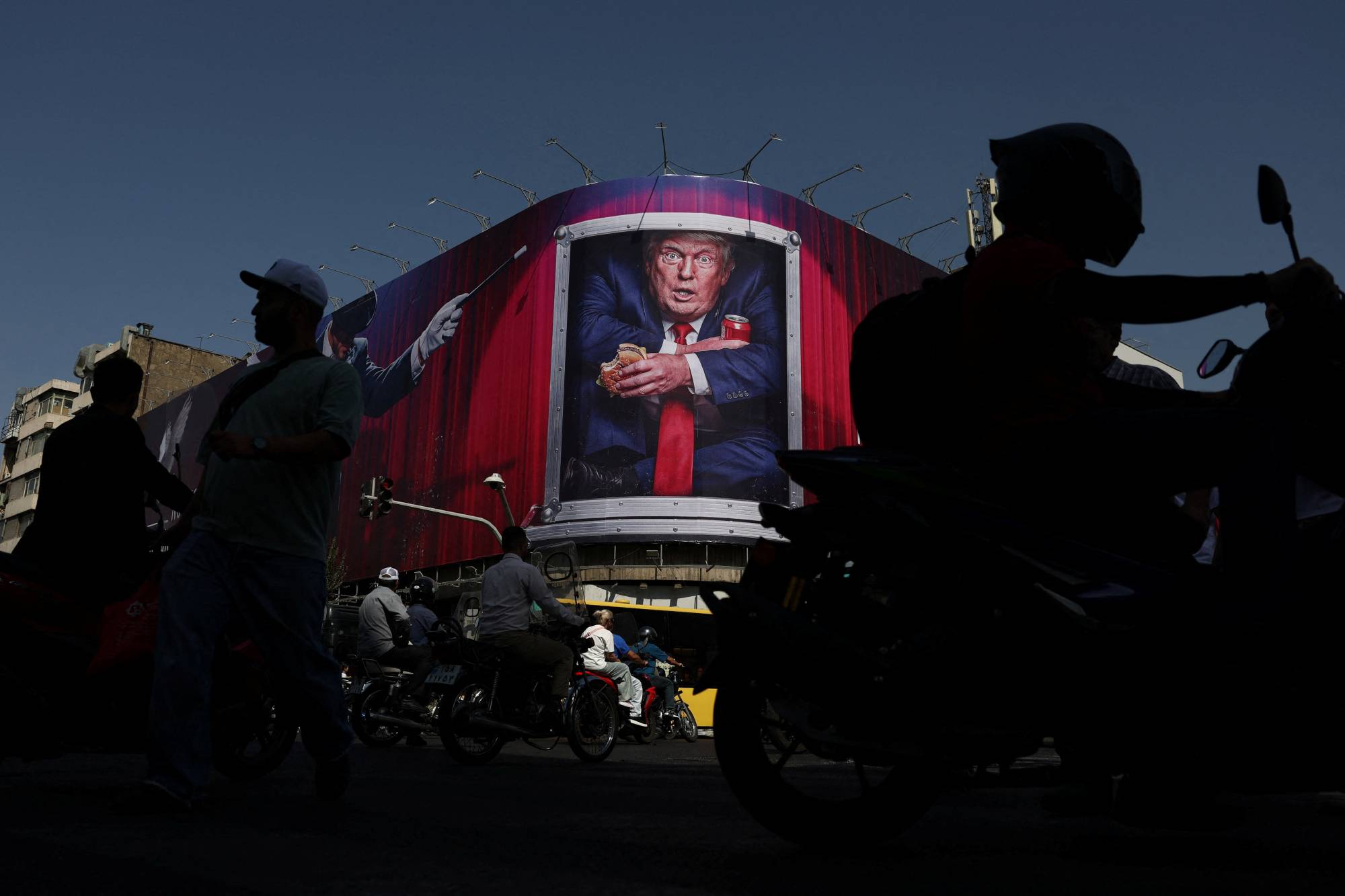
People walk near a billboard depicting US President Donald Trump on a building in Tehran, Iran, September 2, 2026. Majid Asgaripour/WANA (West Asia News Agency) via REUTERS
Crow declined to comment on classified assessments, but he said the Iranians believe that they are in a stronger position for several reasons. First, he said, Iran’s formerly splintered leadership is now more united, and the internal opposition has been silenced. Iran also continues to have a stockpile of missiles and drones.
Iran’s leadership also appears to have a more precise understanding of how to exert control over the Strait of Hormuz, which carried one-fifth of the world’s oil before the war.
“They have always known the strait was a big bargaining chip, but have come to realize to a greater degree the leverage that gives them,” Crow said.
Others briefed on the reports said Iran probably believes that the US military will be hard pressed to mount major new strikes as its munitions stockpiles dwindle.
And there are signs that Iran is intent to drag out the conflict until at least the midterms, current and former officials said.
Iran, according to officials, understands that the war — and the high gas prices that closing the strait has caused — is politically damaging to Trump and the Republican Party.
“The Iranians think they have maximum leverage,” said Representative Josh Gottheimer, Democrat of New Jersey. “So, from their perspective, why not keep sticking it to the president?”
There are indications that Iran is seeking to spread propaganda that would undermine Trump electorally, as it did during the 2020 and 2024 presidential elections.
The New York Times
Iran Guards Say Attacked US Naval Dronehttps://english.aawsat.com/world/5315165-iran-guards-say-attacked-us-naval-drone
Vessels in the Strait of Hormuz are visible near the beach of Bandar Abbas, Iran, August 25, 2026. Majid Asgaripour/WANA (West Asia News Agency) via REUTERS
Vessels in the Strait of Hormuz are visible near the beach of Bandar Abbas, Iran, August 25, 2026. Majid Asgaripour/WANA (West Asia News Agency) via REUTERS
Iran's Revolutionary Guards said on Sunday that they had attacked a US naval drone that was trying to enter the Strait of Hormuz, hours after Tehran and Washington traded strikes.
"The heroic Naval Forces of the Islamic Revolutionary Guard Corps attacked an American military unmanned surface vessel (remotely operated vessel) that was attempting to enter the protected area of the Strait of Hormuz," the Guards said in a statement carried by Iranian state television IRIB.
لم تشترك بعد
انشئ حساباً خاصاً بك لتحصل على أخبار مخصصة لك ولتتمتع بخاصية حفظ المقالات وتتلقى نشراتنا البريدية المتنوعة