


Nations React to US Strikes on Iran with Calls for Diplomacy

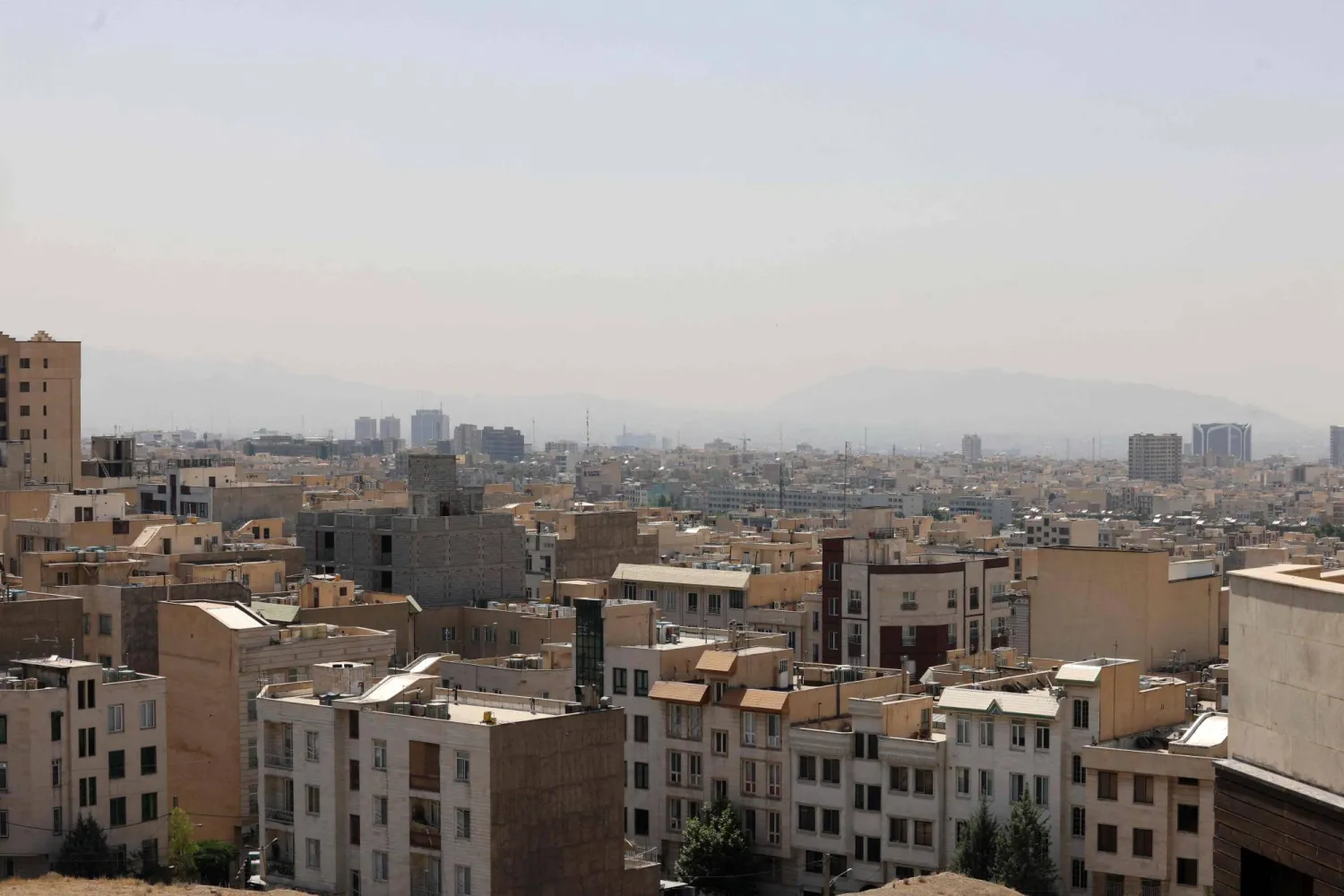
This picture shows a general view of Tehran on June 22, 2025. (Photo by ATTA KENARE / AFP)
TT

Nations React to US Strikes on Iran with Calls for Diplomacy

This picture shows a general view of Tehran on June 22, 2025. (Photo by ATTA KENARE / AFP)

The US strike on Iran fueled fears that Israel's war with Tehran could escalate to a wider regional conflict, and other countries began reacting Sunday with calls for diplomacy and words of caution.

US President Donald Trump had said Thursday that he would decide within two weeks whether to get involved. In the end, it took just days, and Washington inserted itself into Israel's campaign with its early Sunday attack.

Here is a look at reactions from governments and officials around the world.

Lebanese Prime Minister Nawaf Salam said that Lebanon needs to stay away from any possible regional spillover from the conflict.

“It is increasingly important for us to adhere strictly to the supreme national interest, which is the need to avoid Lebanon being ... drawn into the ongoing regional confrontation in any way,” Salam said in a post on X.

United Nations UN Secretary General Antonio Guterres said he was “gravely alarmed” by the use of force by the United States.

“There is a growing risk that this conflict could rapidly get out of control – with catastrophic consequences for civilians, the region, and the world,” he said in a statement on the social media platform X. “I call on Member States to de-escalate.”

“There is no military solution. The only path forward is diplomacy.”

New Zealand New Zealand Foreign Minister Winston Peters urged “all parties to return to talks.”

He wouldn't tell reporters Sunday whether New Zealand supported Trump’s actions, saying they had only just happened.

The three-time foreign minister said the crisis is “the most serious I’ve ever dealt with" and that it was “critical further escalation is avoided.”

“Diplomacy will deliver a more enduring resolution than further military action,” he said.

A flash commentary from China's government-run media asked whether the US is "repeating its Iraq mistake in Iran.”

The online piece by CGTN, the foreign-language arm of the state broadcaster, said the US strikes mark a dangerous turning point.

“History has repeatedly shown that military interventions in the Middle East often produce unintended consequences, including prolonged conflicts and regional destabilization,” it said, citing the American invasion of Iraq in 2003.

It said a measured, diplomatic approach that prioritizes dialogue over military confrontation offers the best hope for stability in the Middle East.

South Korea’s presidential office held an emergency meeting on Sunday to discuss the potential security and economic ramifications of the US strikes.

National security director, Wi Sung-lac, asked officials to coordinate closely to minimize any negative impacts on South Korea, emphasizing that the top priority is ensuring the safety of the South Korean people and the continuation of their stable daily lives, according to the presidential office.

Japan’s Prime Minister Shigeru Ishiba was expected to hold a meeting with key ministers Sunday afternoon to discuss the impact of the US strikes, according to Japan’s NHK television.

Japan’s largest-circulation newspaper Yomiuri is distributing an extra edition on the attack in Tokyo.

Australia, which shuttered its embassy in Tehran and evacuated staff Friday, pushed for a diplomatic end to the conflict.

“We have been clear that Iran’s nuclear and ballistic missile program has been a threat to international peace and security,” a government official said in a written statement. “We note the US President’s statement that now is the time for peace.”

“The security situation in the region is highly volatile. We continue to call for de-escalation, dialogue and diplomacy.”



Top Trump Iran Negotiator Says Visits US Aircraft Carrier in Middle East

US Special Envoy Steve Witkoff delivers a press conference upon the signing of the declaration on deploying post-ceasefire force in Ukraine, during the so-called "Coalition of the Willing" summit, at the Elysee Palace in Paris, France, January 6, 2026. (Reuters)
TT

Top Trump Iran Negotiator Says Visits US Aircraft Carrier in Middle East

US Special Envoy Steve Witkoff delivers a press conference upon the signing of the declaration on deploying post-ceasefire force in Ukraine, during the so-called "Coalition of the Willing" summit, at the Elysee Palace in Paris, France, January 6, 2026. (Reuters)

US President Donald Trump's lead Iran negotiator Steve Witkoff on Saturday said he visited the USS Abraham Lincoln aircraft carrier currently in the Arabian Sea, with Washington and Tehran due to hold further talks soon.

"Today, Adm. Brad Cooper, Commander of US Naval Forces Central Command, Jared Kushner, and I met with the brave sailors and Marines aboard the USS Abraham Lincoln, her strike group, and Carrier Air Wing 9 who are keeping us safe and upholding President Trump's message of peace through strength," said Witkoff in a social media post.

Iranian Foreign Minister Abbas Araghchi said on Saturday he hoped talks with the United States would resume soon, while reiterating Tehran's red lines and warning against any American attack.


Israel’s Netanyahu Expected to Meet Trump in US on Wednesday and Discuss Iran

Israeli Prime Minister Benjamin Netanyahu delivers a speech during a special session to mark the 77th anniversary of the Knesset's establishment and the 60th anniversary of the dedication of the current building at the Knesset, the Israeli parliament, in Jerusalem, 02 February 2026. (EPA)
TT

Israel’s Netanyahu Expected to Meet Trump in US on Wednesday and Discuss Iran

Israeli Prime Minister Benjamin Netanyahu delivers a speech during a special session to mark the 77th anniversary of the Knesset's establishment and the 60th anniversary of the dedication of the current building at the Knesset, the Israeli parliament, in Jerusalem, 02 February 2026. (EPA)

Israeli Prime Minister Benjamin Netanyahu is expected to meet US President Donald Trump on Wednesday in Washington, where they will discuss negotiations with Iran, Netanyahu's office said on Saturday.

Iranian and US officials held indirect nuclear ‌talks in the ‌Omani capital ‌Muscat ⁠on Friday. ‌Both sides said more talks were expected to be held again soon.

A regional diplomat briefed by Tehran on the talks told Reuters Iran insisted ⁠on its "right to enrich uranium" ‌during the negotiations with ‍the US, ‍and that Tehran's missile capabilities ‍were not raised in the discussions.

Iranian officials have ruled out putting Iran's missiles - one of the largest such arsenals in the region - up ⁠for discussion, and have said Tehran wants recognition of its right to enrich uranium.

"The Prime Minister believes that any negotiations must include limiting ballistic missiles and halting support for the Iranian axis," Netanyahu's office said in a ‌statement.


Italy FM Rules Out Joining Trump’s ‘Board of Peace’

Italy's Minister for Foreign Affairs Antonio Tajani speaks to the press during the EPP Leaders’ meeting, in Zagreb, Croatia, 30 January 2026. (EPA)
TT

Italy FM Rules Out Joining Trump’s ‘Board of Peace’

Italy's Minister for Foreign Affairs Antonio Tajani speaks to the press during the EPP Leaders’ meeting, in Zagreb, Croatia, 30 January 2026. (EPA)

Italy will not take part in US President Donald Trump's "Board of Peace", Italian Foreign Minister Antonio Tajani said Saturday, citing "insurmountable" constitutional issues.

Trump launched his "Board of Peace" at the World Economic Forum in Davos in January and some 19 countries have signed its founding charter.

But Italy's constitution bars the country from joining an organization led by a single foreign leader.

Prime Minister Giorgia Meloni, a Trump ally, last month noted "constitutional problems" with joining, but suggested Trump could perhaps reopen the framework "to meet the needs not only of Italy, but also of other European countries".

Tajani appeared Saturday to rule that out.

"We cannot participate in the Board of Peace because there is a constitutional limit," he told the ANSA news agency.

"This is insurmountable from a legal standpoint," he said, the day after meeting US Secretary of State Marco Rubio and US Vice President JD Vance at the Olympics in Milan.

Although originally meant to oversee Gaza's rebuilding, the board's charter does not limit its role to the Palestinian territory and appears to want to rival the United Nations.