


Game 'Reloots' African Artefacts from Western Museums

'Relooted' tasks players with taking from Western museums cultural artefacts that were stolen from Africa during the colonial era. EMMANUEL CROSET / AFP
TT

Game 'Reloots' African Artefacts from Western Museums

'Relooted' tasks players with taking from Western museums cultural artefacts that were stolen from Africa during the colonial era. EMMANUEL CROSET / AFP

Under the cover of darkness, Nomali jumped over a wall, burst into a museum and snatched a human skull from a pedestal before escaping through a window to the wail of an alarm.

The daring heist was not the work of a real-life criminal. Nomali is the protagonist of a new action-packed video game where players "reclaim" artefacts taken from African countries to be displayed in the West.

Developed by Johannesburg studio Nyamakop, "Relooted" is set in an imaginary future but tackles a topical issue: calls for Western institutions to return to Africa the spoils of colonization.

Players are tasked with taking back 70 artefacts -- all of which exist in real life -- with a "team of African citizens", said producer Sithe Ncube, one of a team of 30 working on the game.

The items include the "Benin Bronzes" sculptures removed from the former kingdom of Benin more than 120 years ago, and which The Netherlands officially returned to Nigeria on June 21.

Another is the sacred Ngadji drum from Kenya's Pokomo community, which was confiscated by British colonial authorities in 1902.

"Its removal destabilized the community," Ncube said as an animated drawing of the wooden instrument flashed on her computer. Players "can see where it's from... and read about the history," she said, giving a demo.

“Is it stealing?'

On the screen a crew of characters in Afrofuturist costumes debated a plan to recover the remains of Tanzanian chiefs hanged by German colonial forces.

One asked: "Is it stealing to take back what was stolen?"

"We are going to do whatever it takes to take back Africa's belongings, and we are going to do it together," said the character Nomali.

"Sometimes the stories behind these (artefacts) are actually very upsetting," Ncube told AFP. "It makes you see how much colonialism has affected... and shaped the world."

Growing up in Zambia, she knew of her country's iconic "Broken Hill Man", a skull about 300,000 years old held in London's Natural History Museum and which is also featured in "Relooted".

But it was only when working on the game that Ncube realized how many African cultural artefacts were held abroad, she said.

In France alone, museums stored about 90,000 objects from sub-Saharan Africa, according to a 2018 report commissioned by the government.

"Africans, to actually see these things that are part of their own culture, have to get a visa, pay for flights and go to a European country," Ncube said. "My whole life, I've never seen 'Broken Hill Man'."

Skewed identity

The looting of artefacts over centuries robbed communities of their "archives" and "knowledge systems", said Samba Yonga, co-founder of the digital Museum of Women's History in Zambia.

"Our history predates colonization by millennia," she told AFP, but many people "don't even realize that we have a skewed sense of self and identity."

Reclaiming these objects would enable "a shift in how the next generation views their culture and identity," she said.

The same hope underpinned "Relooted", which was unveiled this month at Los Angeles's Summer Game Fest where it attracted a lot of interest from the diaspora and other Africans, Ncube said.

"I hope that the game encourages people from other African countries to want to tell their own stories and bring these things to light," she said.

One character felt personal for the producer: Professor Grace, Nomali's grandmother and described as "the brains behind the mission".

"I started seeing my own grandmother in her," Ncube said with emotion. "She represents a connection between our generations, fighting for the same thing we've always been fighting for."


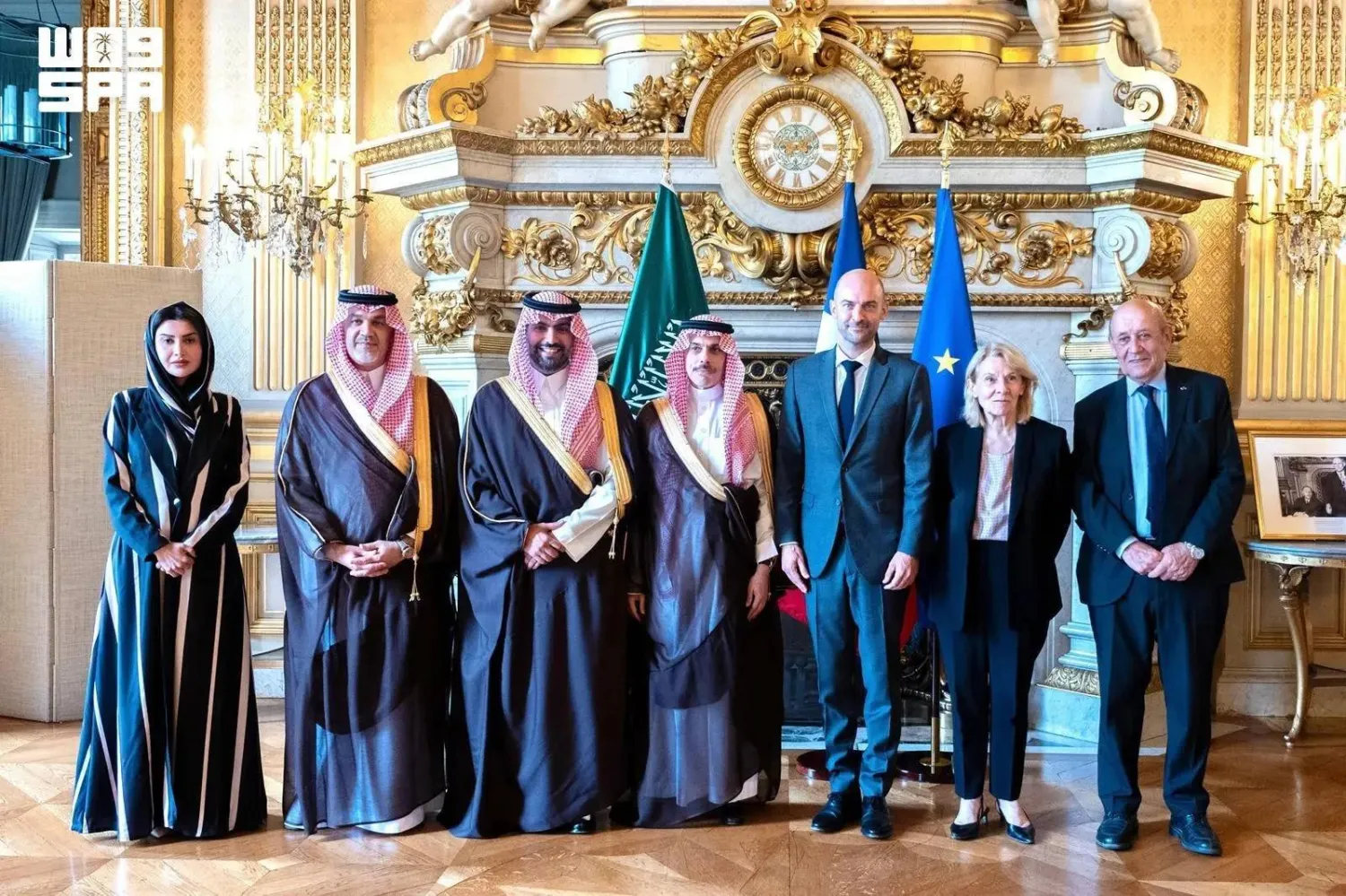

65 Artists from 37 Countries to Participate in Diriyah Contemporary Art Biennale 2026

The Biennale will feature more than 65 artists from 37 countries and will present 22 newly commissioned works by the Diriyah Biennale Foundation - SPA
TT

65 Artists from 37 Countries to Participate in Diriyah Contemporary Art Biennale 2026

The Biennale will feature more than 65 artists from 37 countries and will present 22 newly commissioned works by the Diriyah Biennale Foundation - SPA

The Diriyah Biennale Foundation has announced the list of artists participating in the Diriyah Contemporary Art Biennale 2026, scheduled to open on January 30 in the Jax District of Diriyah.

Titled “In Interludes and Transitions,” this edition draws inspiration from themes of movement, migration, and transformation—forces that have historically shaped pathways of communication and cultural exchange between the Arab region and societies around the world, SPA reported.

The Biennale will feature more than 65 artists from 37 countries and will present 22 newly commissioned works by the Diriyah Biennale Foundation. These original pieces, created by artists, musicians, filmmakers, architects, and writers, explore ideas of continuity, resilience, and collective imagination amid periods of profound change.

Chief Executive Officer of the Diriyah Biennale Foundation Aya Al-Bakree explained that the event brings together artists from multiple generations, regions, and disciplines, offering audiences a rich and diverse artistic experience that reflects Diriyah’s growing role as a global cultural hub.

The artistic directors noted that this edition of the Diriyah Contemporary Art Biennale emphasizes the vital role of art in interpreting contemporary transformations. Over the past year, participating artists and the curatorial team have engaged in in-depth research into the historical contexts of the Arab region, examined the rapid changes reshaping its cultural landscape, and addressed broader intellectual questions with global relevance.


Louvre Workers Vote to Strike in Another Blow to the Paris Museum 

This photograph shows a banner which reads "Louvre Museum on Strike" outside the entrance to the Louvre as museum workers voted to go on strike against increasingly deteriorating working conditions and the declining visitor experience at the world famous museum, in Paris on December 15, 2025. (AFP)
TT

Louvre Workers Vote to Strike in Another Blow to the Paris Museum 

This photograph shows a banner which reads "Louvre Museum on Strike" outside the entrance to the Louvre as museum workers voted to go on strike against increasingly deteriorating working conditions and the declining visitor experience at the world famous museum, in Paris on December 15, 2025. (AFP)

Workers at the Louvre Museum voted Monday to strike over working conditions and other complaints, dealing another blow to the Paris landmark and home of the Mona Lisa after an embarrassing jewelry heist in October.

The CFDT union said the vote was taken at a meeting of 400 workers on Monday morning and that they decided to strike for the day.

The world’s most-visited museum didn’t open as scheduled and turned people away. A notice on the Louvre's website said, “the museum is closed for the moment.”

“It's really sad, because I was really looking forward to this,” said Lindsey Hall, a bitterly disappointed would-be visitor from Sacramento, California. She had been planning to enjoy the museum's huge collection of art and artifacts with a friend, describing it as “one of those life experiences you crave.”

“This is just an epic collection of art and something that every human should see,” she said. “I can see the other side of it, like if you are the person that works in the museum and how that can be, like day after day after day.”

The strike vote followed talks last week between labor unions and government officials, including Culture Minister Rachida Dati. Labor leaders said the talks had not alleviated all of their concerns about staffing and financing for the museum that welcomes millions of visitors each year.

“Visiting the museum has become an obstacle course,” said Alexis Fritche, general secretary of the culture wing of the CFDT union.

For employees, the daylight jewel heist crystallized long-standing concerns that crowding and thin staffing are undermining security and working conditions at the Louvre.

Thieves used a basket lift to reach the Louvre’s facade, forced a window, smashed display cases and fled with pieces of the French crown jewels. A Senate inquiry released last week said the thieves escaped with barely 30 seconds to spare and pointed fingers of blame at broken cameras, outdated equipment, understaffed control rooms and poor coordination that initially sent police to the wrong location.

In a statement, the CFDT said employees wants more staffing for security and to welcome visitors, improved working conditions, stable long-term budgets for the Louvre and leadership that “truly listens to staff.”

Yvan Navarro of the CGT union complained that staff numbers have continually decreased while visitor numbers have increased.

“People come to Paris to visit the museums. So the visitor numbers go up, the tariffs and the prices go up, because everything is becoming more expensive, but the salaries and the numbers of staffers don't go up so obviously you reach a point like today, a day of anger,” he said.


Saudi Media Ministry Launches Sudanese Culture Week as Part of 'Global Harmony 2' Initiative 

The event is part of a series of cultural activities showcasing 14 global cultures, held at Al-Suwaidi Park, one of the Riyadh Season venues. (SPA)
TT

Saudi Media Ministry Launches Sudanese Culture Week as Part of 'Global Harmony 2' Initiative 

The event is part of a series of cultural activities showcasing 14 global cultures, held at Al-Suwaidi Park, one of the Riyadh Season venues. (SPA)

Saudi Arabia’s Ministry of Media launched on Sunday the Sudanese Culture Week as part of the "Global Harmony 2" initiative, organized in cooperation with the General Entertainment Authority (GEA) and the Quality of Life Program.

The event is part of a series of cultural activities showcasing 14 global cultures, held at Al-Suwaidi Park, one of the Riyadh Season venues.

The events began with a celebratory parade showcasing elements of Sudanese culture, featuring performances of traditional music, including the rhythms of the Dalooka and melodies of the Rababa, alongside scenes from a Sudanese bridal procession.

Sudanese Culture Week includes a diverse program of musical concerts, entertainment segments, and cultural pavilions, with participation from a selection of Sudanese singers and influencers presenting activities that reflect the cultural diversity of Sudan’s regions and communities.

The event stage hosted the first musical concerts, attended by thousands of visitors, who engaged with Rababa performances by traditional artists and popular social occasion songs from Sudan.

Sudanese Culture Week marks the final week of events under the Global Harmony 2 initiative, building on the program's success in promoting cultural exchange in the Kingdom, reflecting the values of coexistence and cultural openness embraced by the Kingdom.

The events will continue on Monday with a program featuring a variety of cultural and musical performances.