




Saudi Arabia has begun issuing fast‑track travel permits for Saudi and Syrian businesspeople, a move officials say is designed to jump‑start private‑sector investment and help rebuild Syria’s war‑scarred economy.
The Saudi embassy in Damascus said on Tuesday that an online portal is now live for entrepreneurs and investors from both countries to obtain entry licenses, enabling reciprocal visits and on‑the‑ground due diligence.
The step follows months of high‑level Saudi diplomacy that culminated in US president Donald Trump announcing the lifting of US sanctions on Syria during a visit to Riyadh earlier this year.
According to Saudi officials, Prince Mohammed bin Salman, Saudi Crown Prince and Prime Minister, pressed the case for easing restrictions.
“Riyadh’s practical measures to support Syria are speeding up,” Fadl al‑Buainain, a member of Saudi Arabia’s Shura Council, told Asharq al‑Awsat.
“Opening the door for business travel lets investors scout opportunities, restore long‑severed ties and push economic activity on solid, development‑focused foundations backed by the state.”
Al‑Buainain said Damascus’ pledge to pursue free‑market reforms, including privatizing state firms, would create openings for Saudi companies, particularly in energy, water, tourism and airport projects.
Economist Ahmed al‑Jubeir said the permits “signal Saudi facilitation for investors eager to enter the Syrian market” and could boost bilateral trade and deliver “new, high‑quality projects.”
Saudi officials frame the initiative as part of a broader strategy that weds political outreach to economic leverage. A Saudi foreign‑minister‑led delegation visited Damascus earlier this year, followed by a private mission of Saudi financiers.
“Economic recovery is the launch‑pad for comprehensive development,” al‑Buainain said, arguing that growth would shore up national unity and regional security. He urged Damascus to keep overhauling investment rules to give the private sector “legal safety and clarity”.
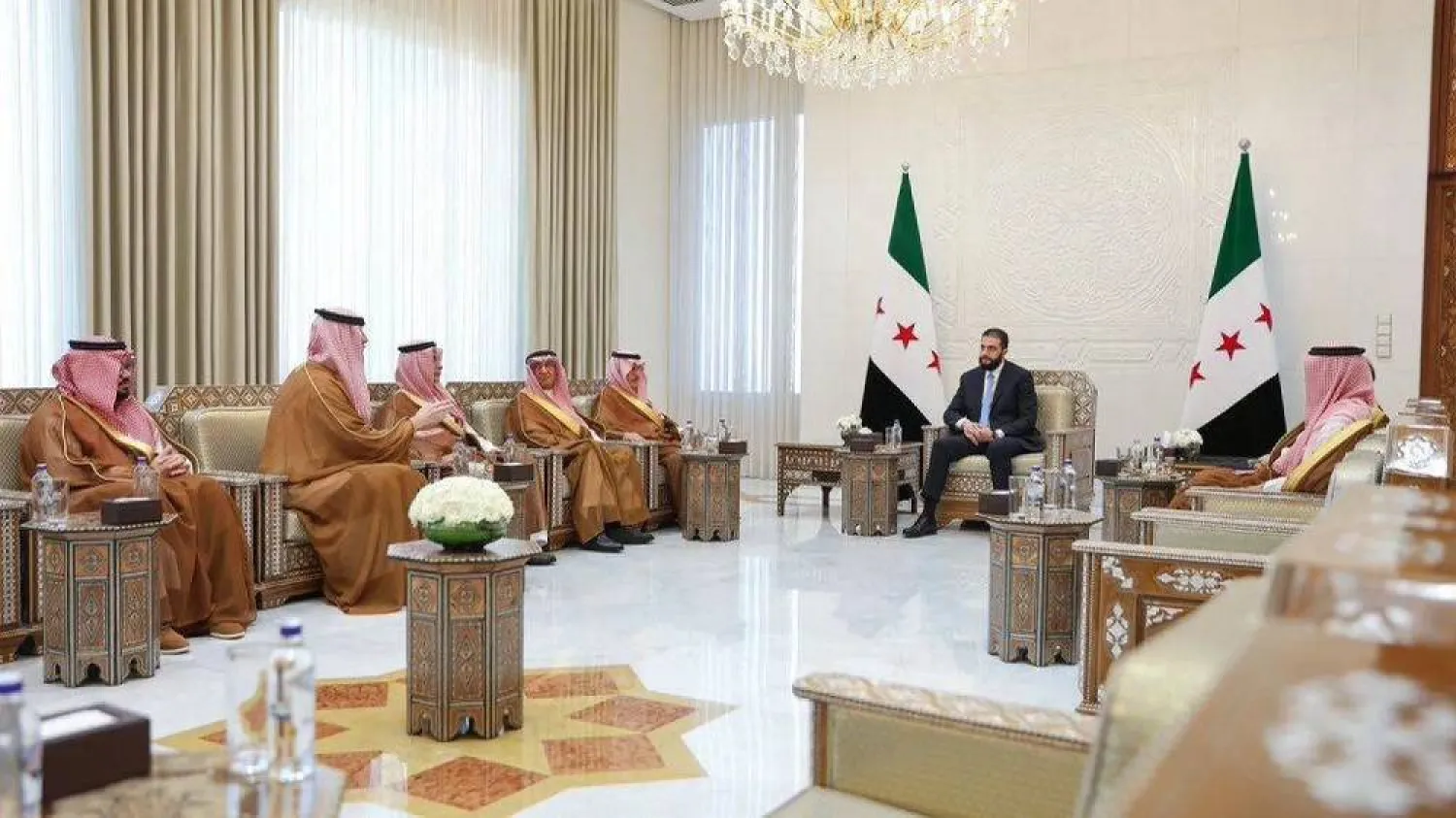
The embassy announcement comes days after Syrian President Ahmed al‑Sharaa received a Saudi business delegation led by Mohammed Abunayyan and Sulaiman al‑Muhaidib at the presidential palace in Damascus, where the two sides explored joint ventures across multiple sectors.
Analysts say Riyadh views economic engagement as a key plank of its Vision 2030 agenda to stabilize the Middle East through development.
With Gulf interest in Syria rising, al‑Jubeir said opening travel channels was “not just procedural— it’s an economic pivot that underlines how Vision 2030 links regional stability to inclusive, sustainable growth.”


