Recent hours have seen a flurry of bilateral contacts across the Gulf addressing Iran-US peace negotiations and wider Middle East developments, with officials emphasizing efforts to strengthen regional and international security and stability.
In Manama, Bahrain said its forces intercepted and destroyed seven hostile drones, stressing readiness to confront any threats.
Peace negotiations
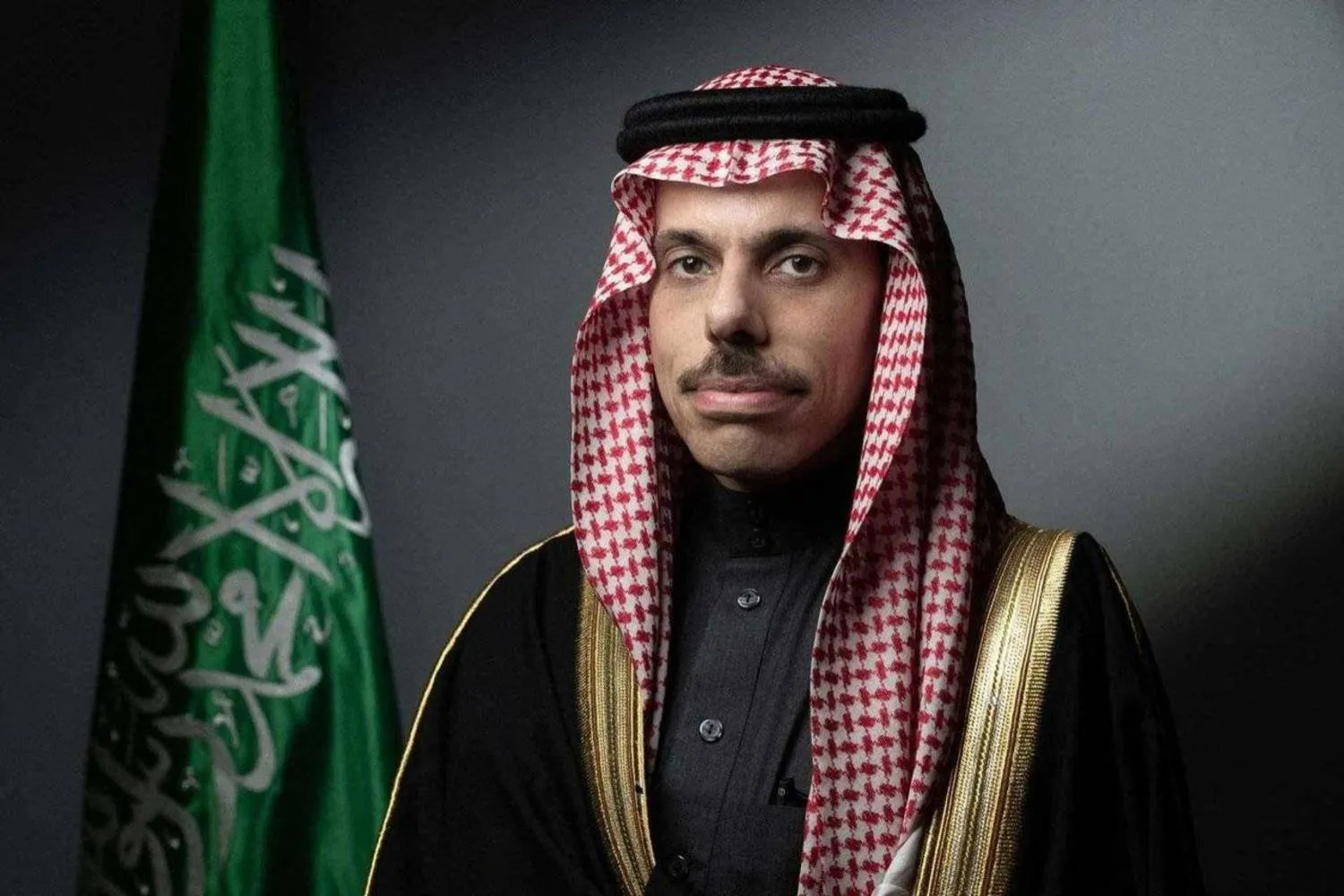
Saudi Foreign Minister Prince Faisal bin Farhan bin Abdullah held a phone call on Monday with his Iranian counterpart Abbas Araghchi, reviewing developments following Iran-US peace talks and exchanging views.
Prince Faisal later spoke with Egyptian Foreign Minister Badr Abdelatty, discussing the regional situation and ways to boost stability.
He also received a call from Kyrgyz Foreign Minister Jeenbek Kulubaev, covering bilateral ties and regional developments.
In separate calls, Prince Faisal discussed the situation with Kuwaiti Foreign Minister Sheikh Jarrah Al-Sabah, Qatari Prime Minister and Foreign Minister Sheikh Mohammed bin Abdulrahman Al-Thani, and Emirati Foreign Minister Sheikh Abdullah bin Zayed Al Nahyan.
Qatar, for its part, warned against using freedom of maritime navigation as “a tool of pressure or bargaining,” during a call between Sheikh Mohammed and Araghchi.
Sheikh Mohammed stressed the need to keep sea lanes open and ensure freedom of navigation, warning of negative consequences for regional countries, global energy and food supplies, and international peace.
He urged Washington and Tehran to respond to ongoing mediation efforts, paving the way for a sustainable agreement that addresses the roots of the crisis and prevents renewed escalation.
The two ministers also discussed ceasefire developments and the need to consolidate it to support regional stability.
Bahrain’s King Hamad bin Isa Al Khalifa and UAE President Sheikh Mohamed bin Zayed Al Nahyan met in Manama on Monday to review regional developments and their impact on international navigation, energy supplies and the global economy.
King Hamad later received Admiral Brad Cooper, Commander of the US Central Command (CENTCOM), praising longstanding strategic ties and growing defense cooperation between their countries.
Talks covered regional and international developments, with the Bahraini monarch highlighting the United States’ role, alongside allies, in supporting global stability.
Crown Prince Salman bin Hamad Al Khalifa, Bahrain’s prime minister and deputy supreme commander, also met Cooper, reviewing regional developments and issues of mutual concern.
Separately, Bahrain’s foreign ministry summoned Iraq’s chargé d’affaires in Manama Ahmed Ismail Al-Karawi to protest continued drone attacks launched from Iraqi territory toward Bahrain and other Gulf Cooperation Council states.
The ministry urged Iraq to address the threats urgently in line with international law, reaffirming Bahrain’s right to take necessary measures to protect its security.
Bahrain’s defense forces later said air defenses had intercepted seven drones, bringing the total destroyed since the start of Iranian attacks to 523 drones and 194 missiles. It said all units remain at high readiness.
Security reassurances
In Kuwait, Foreign Minister Sheikh Jarrah Jaber Al-Ahmad Al-Sabah spoke by phone with Indian External Affairs Minister Subrahmanyam Jaishankar about regional developments.
Kuwait’s interior ministry said security and military agencies are closely monitoring the regional situation in coordination with relevant authorities to ensure safety.
South Korean support for Qatar
Qatar’s Emir Sheikh Tamim bin Hamad Al-Thani received a written message from South Korean President Lee Jae-myung expressing support and solidarity following Iranian attacks on Qatar and other regional states, and voicing hope for an agreement to end the crisis.
The message was delivered to Sheikh Tamim by presidential envoy Kang Hoon-sik during a meeting in Doha, where the sides reviewed bilateral cooperation, particularly in energy and economic sectors, as well as regional developments.
Meanwhile, Oman’s Sultan Haitham bin Tariq discussed regional developments in a phone call with British Prime Minister Keir Starmer following the conclusion of US-Iran talks in Pakistan without agreement.
The two sides stressed intensifying international efforts to prevent further escalation and exchanged views on containing tensions and addressing root causes to safeguard regional interests.
They also underlined the importance of continued coordination and support for de-escalation and diplomatic solutions based on international law.