
Hamas said on Wednesday it was taking Israeli threats to reoccupy Gaza “very seriously,” as Prime Minister Benjamin Netanyahu prepared to present a controversial plan to his war cabinet that could see the army retake control of the battered Palestinian enclave nearly 10 months into the war.
A senior Hamas official told Asharq Al-Awsat the group was closely watching Israeli military and political maneuvers amid speculation that Netanyahu may use the reoccupation proposal to appease far-right allies and ramp up pressure on Hamas to soften its demands in ceasefire negotiations.
“The occupation has already been in control of Gaza by land, sea and air,” said Dr. Basem Naim, a member of Hamas’s political bureau in Gaza. “Israel has invaded every inch of the Strip over the past 22 months and failed to achieve any of its goals. What more can it do beyond more killing, hunger and destruction?”
Netanyahu is expected to present the reoccupation plan to the security cabinet on Thursday and will ask military chief Eyal Zamir to lay out operational options. But Zamir reportedly opposes full-scale reoccupation, favoring limited incursions and a strategy of isolating Hamas strongholds while avoiding harm to Israeli hostages still believed to be held in Gaza.
Israeli forces have already fought in most areas of Gaza since the war began in October 2023. Troops currently remain in parts of Gaza City’s eastern suburbs, including Shujaiya, Zeitoun, and Tuffah, where heavy shelling and destruction have displaced tens of thousands.
On Wednesday, new evacuation orders were issued for residents in areas west of Khan Younis and parts of southern Gaza City, including Sabra and the southern portion of Zeitoun. Israel instructed civilians to move to al-Mawasi, a declared “humanitarian zone” that has nonetheless been repeatedly targeted during the conflict.
Hebrew-language media reported that the Israeli military is considering a fresh ground push into the western parts of Gaza City – areas now teeming with displaced civilians from the north and east of the Strip. The Israeli army has already carried out multiple raids into those areas, heavily damaging civilian infrastructure, including the Shifa Medical Complex.
Israel has also threatened to expand its operations into central Gaza, particularly the refugee camps where only limited ground raids have occurred so far. Much of the rest of the region has been subject to sustained aerial and artillery bombardment.
A Hamas official inside Gaza, speaking on condition of anonymity, accused Israel of rehashing failed policies under the guise of a new military strategy.
“If Israel intends to reoccupy Gaza now, what has it been doing all along?” the official asked. “This only confirms the failure of its military campaign despite Netanyahu’s claims that victory is near.”
“We do not respond to threats based on media narratives. We act according to battlefield conditions,” he added. “If they want an open-ended war, we are ready. If they want negotiations, we are also open to talks to spare our people further suffering.”
The official accused Israel of pursuing a scorched-earth campaign aimed at erasing all aspects of life in Gaza: “The occupation does nothing but kill people and destroy stone.”
The reoccupation threats come amid growing signs that Netanyahu’s push may be partly aimed at placating far-right cabinet members and partly designed to pressure Hamas back to the negotiating table.
“There are no contacts to resume talks at the moment,” said Naim, who is involved in Hamas’s negotiations over a possible ceasefire and hostage deal. “All we hear are threats of further escalation.”
He said Hamas submitted its latest proposal to mediators two weeks ago and was still waiting for an official Israeli response. “We told mediators that there is no point in negotiating under famine and death,” he said.
Sources in Hamas and other Palestinian factions told Asharq Al-Awsat that communication with mediators had continued but yielded “no significant breakthrough” that could revive stalled talks.
According to those sources, US backing for Netanyahu’s hardline stance has further complicated efforts to reach a deal. “The American-Israeli position raises serious doubts about their intention to conclude any agreement, despite public statements claiming concern for the hostages’ release,” one source said.
Humanitarian Toll Mounts
Meanwhile, Gaza’s humanitarian crisis continues to deepen.
The strip’s health ministry said 138 Palestinians were killed and 771 wounded in the past 24 hours, bringing the death toll since the war began to 61,158, with 151,442 wounded.
Of those, 9,654 have died since Israel resumed its offensive on March 18 following a two-month pause in fighting.
Deaths linked to hunger and malnutrition are also on the rise. The ministry reported five such fatalities on Tuesday, raising the total to 193, including 96 children, since October.
Among those killed in recent days were dozens waiting for aid deliveries. The ministry said 87 bodies and 570 wounded had arrived at Gaza hospitals in the past 24 hours from among those awaiting humanitarian assistance. That brings the toll in that group alone to 1,655 killed and 11,800 injured since the end of May.
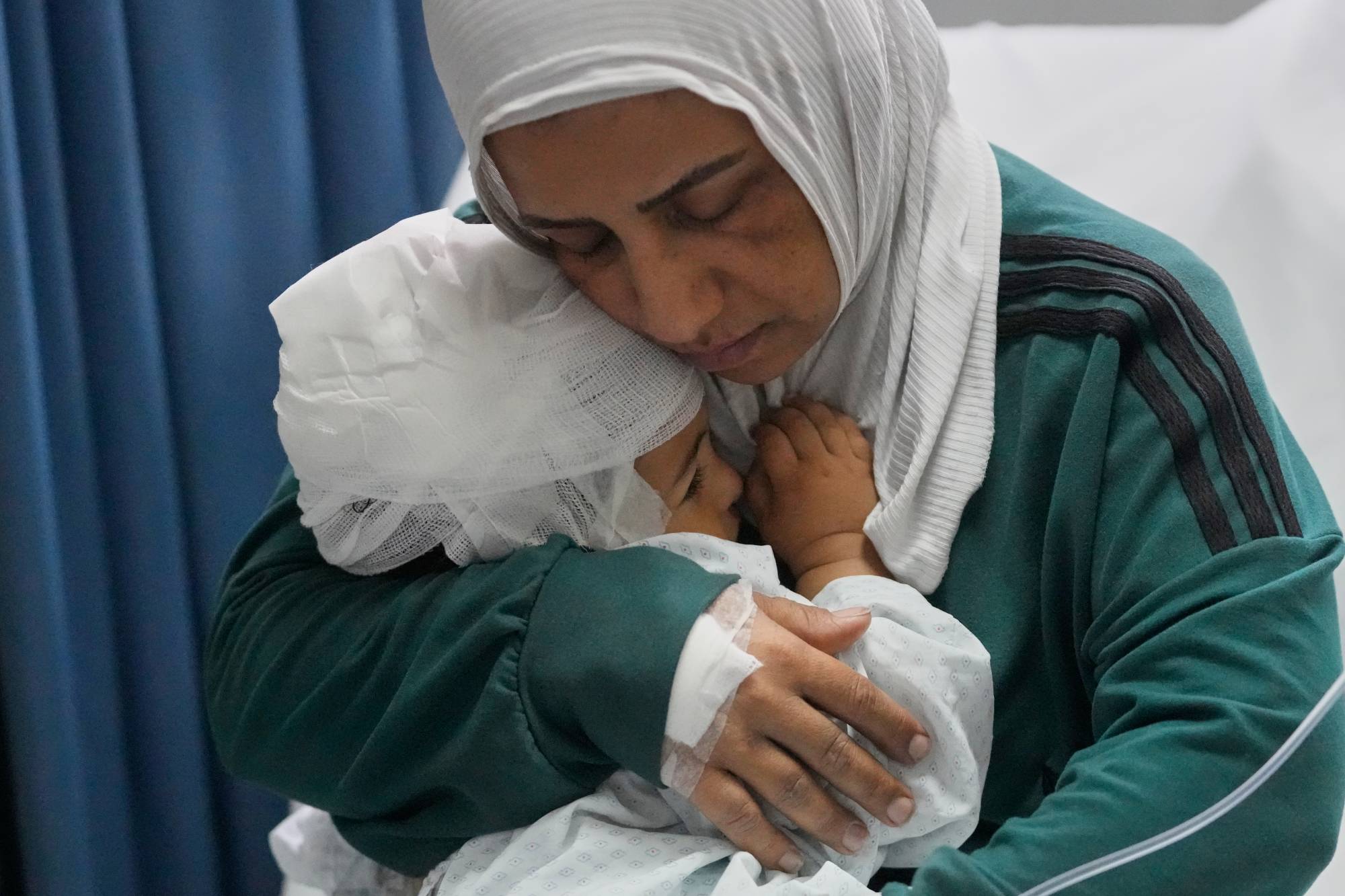
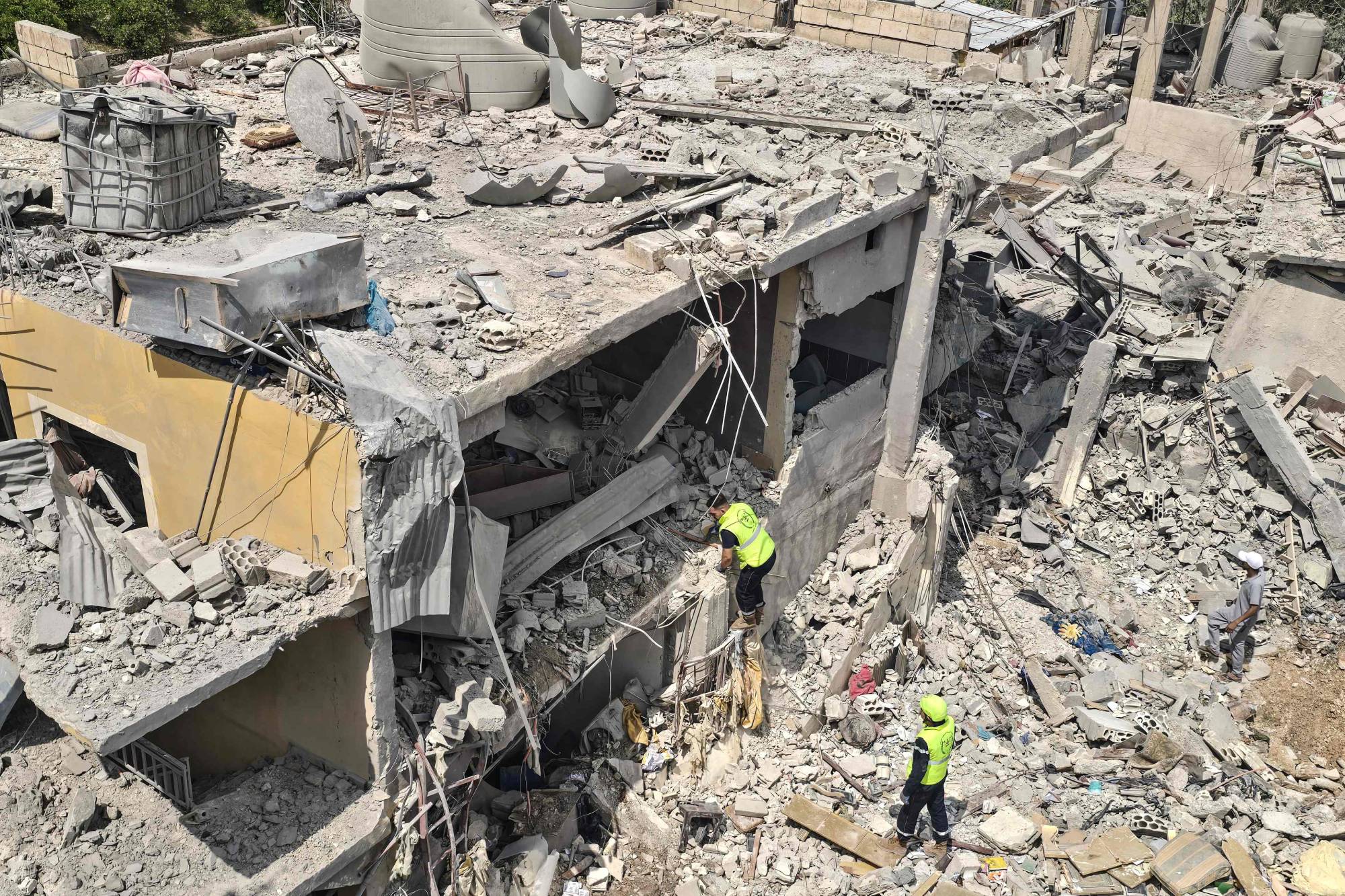
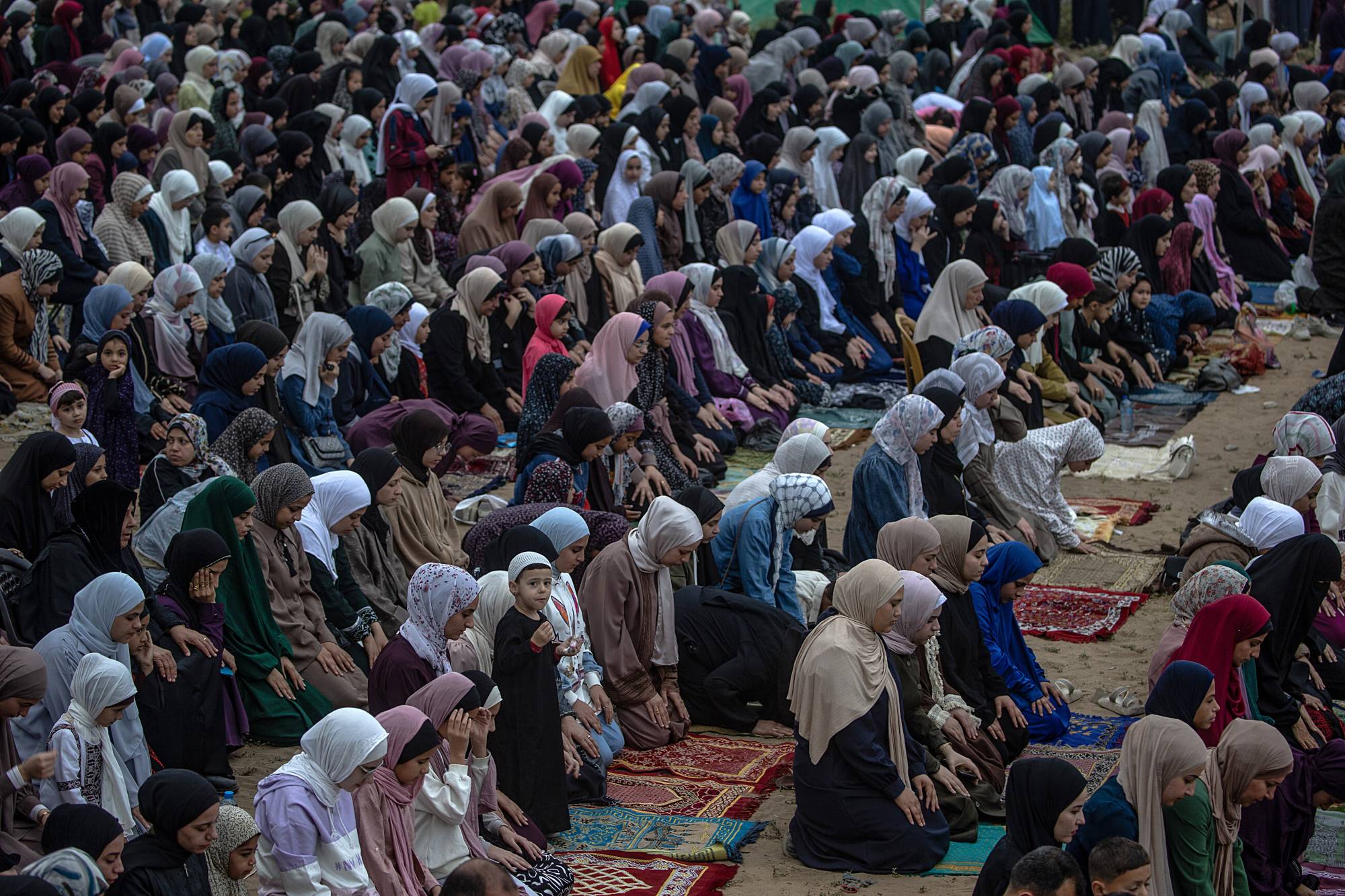
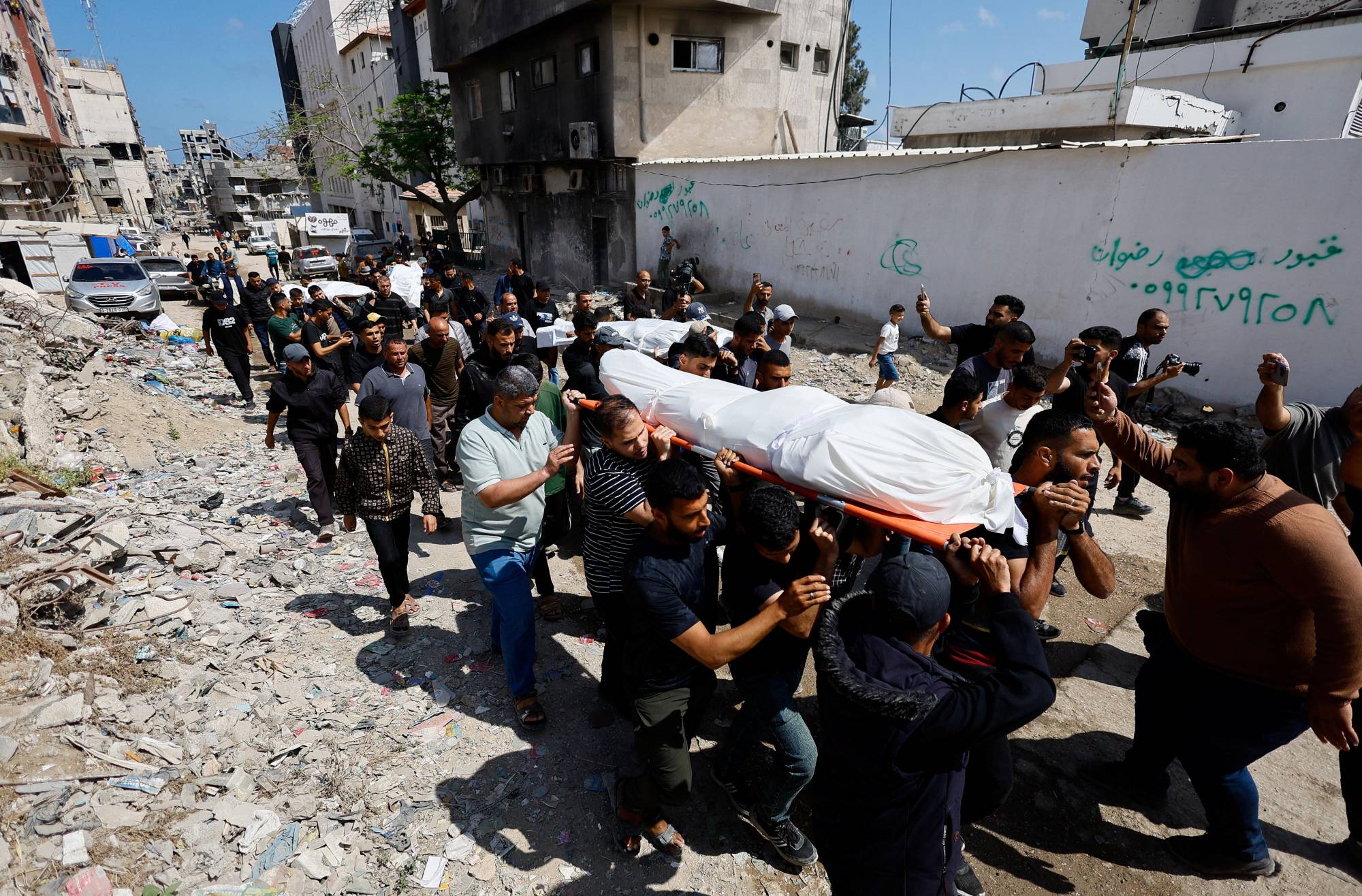
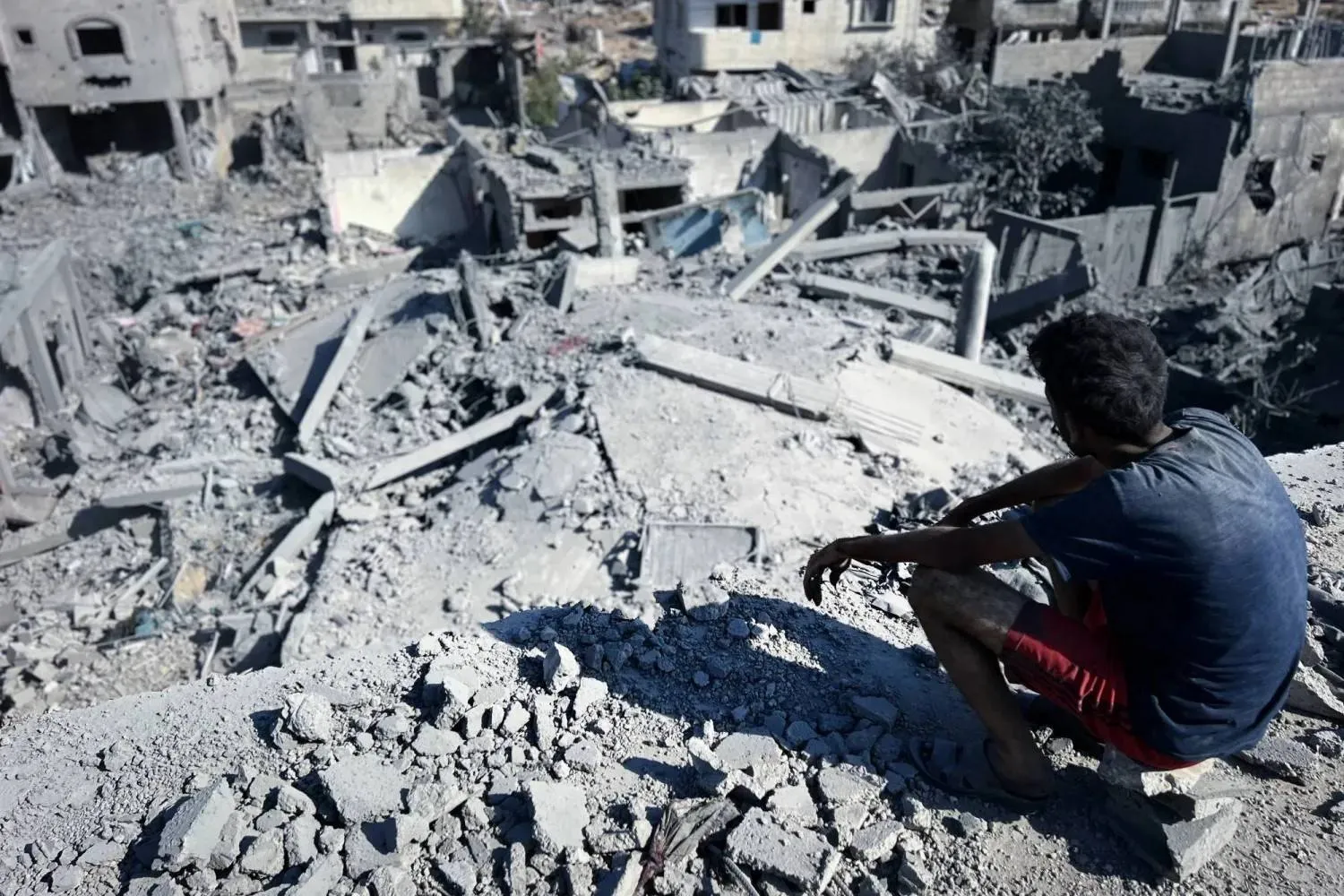
Images from Gaza showed people weeping at funerals, others carrying water buckets under a scorching sun, and neighborhoods flattened by air strikes.
Despite the worsening conditions, Israel insists its military operations will continue. For many Gazans, the threat of reoccupation is not just political theater – it’s a grim extension of a war that shows no sign of ending.