
Sudanese politicians, military officials and analysts are abuzz over reports of secret meetings in Switzerland between a senior US presidential adviser and the leaders of the country’s rival forces, fueling speculation Washington is testing the ground for a ceasefire to halt Sudan’s catastrophic war.
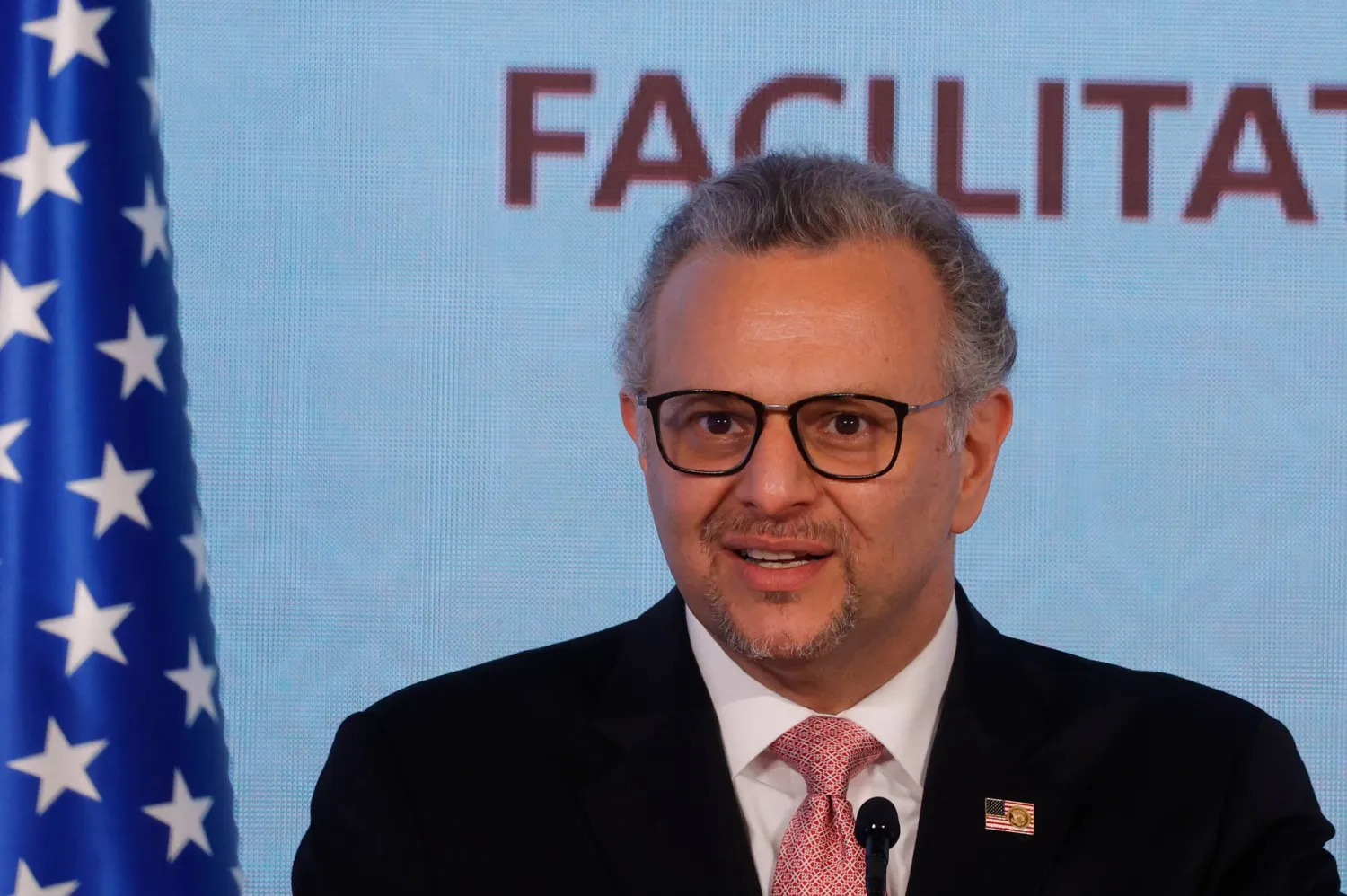
Massad Boulos, US President Donald Trump's adviser on Arab and African affairs, held a three-hour meeting on Aug. 11 with Sudan’s army chief General Abdel Fattah al-Burhan in Geneva, according to diplomats and regional media.
The talks reportedly focused on a US proposal for a nationwide truce and unhindered humanitarian access. Both Washington and Khartoum declined to comment.
Hours later, Boulos was said to have met Burhan’s rival, General Mohamed Hamdan Dagalo “Hemedti,” commander of the paramilitary Rapid Support Forces (RSF), though that meeting remains unconfirmed. Local and regional outlets cited flight-tracking data suggesting Hemedti also travelled discreetly to Geneva aboard a private jet.
The secrecy and lack of official confirmation have raised questions about whether Washington is mounting a serious diplomatic breakthrough or merely conducting a “pulse check” on the warring sides.
Until recently, the Trump administration showed little appetite for Sudan’s war, which has raged since April 2023. Washington largely confined itself to imposing sanctions, targeting Hemedti in January 2025 and Burhan nine days later, accusing the army of using chemical weapons.
In July, the US unveiled a new “Quad” contact group on Sudan, alongside Britain, the UAE and Saudi Arabia, but its inaugural meeting was postponed indefinitely.
Analysts say the sudden flurry of US engagement may reflect concerns that prolonged conflict could destabilize the wider region and derail Washington’s “New Middle East” strategy.
Diplomats and experts see several possible outcomes: a time- and region-bound ceasefire in Khartoum, Kordofan and Blue Nile states with international monitors; a broader framework agreement enshrining a nationwide truce, political transition and elections; or, less likely, a return to intensified fighting if the talks prove a facade.
Some fear the generals could exploit US mediation as diplomatic cover to regroup. Analysts warn of mounting hostility in post-Geneva rhetoric, hardening stances by extremist commanders, and the rise of “war profiteers” keen to block peace.
Political analyst Hatem Elias told Asharq al-Awsat that Islamists embedded within the army and state view continued war as vital to their survival. “If Burhan goes for peace, it would be nothing short of a political miracle,” he said.
Elias argued that the RSF is structurally more flexible and better placed for negotiations, unencumbered by Islamist factions. He warned, however, that Islamists could pressure Burhan into adopting harder positions or use civilian and security proxies to sway public opinion and regional allies.
Other observers say pragmatic Islamist factions, squeezed by battlefield setbacks, economic collapse and fears of international sanctions, might accept a conditional political compromise to safeguard some influence.
Another analyst, Mohamed Latif, said US moves stem from regional and strategic imperatives. “Sudan’s war threatens Washington’s plans and those of its allies,” he said, comparing US engagement to earlier interventions in conflict zones from South Asia to Central Africa.
Latif cautioned that US diplomacy faces hurdles. The RSF may resist external pressure while pursuing military gains in Kordofan and Darfur, tightening its grip on central Sudan, and consolidating a rival administration. “Without tangible incentives, Hemedti may not rush into talks,” he said.