


Iran Warns: Ceasefire is Temporary, New conflict with Israel Could Erupt at Any Moment

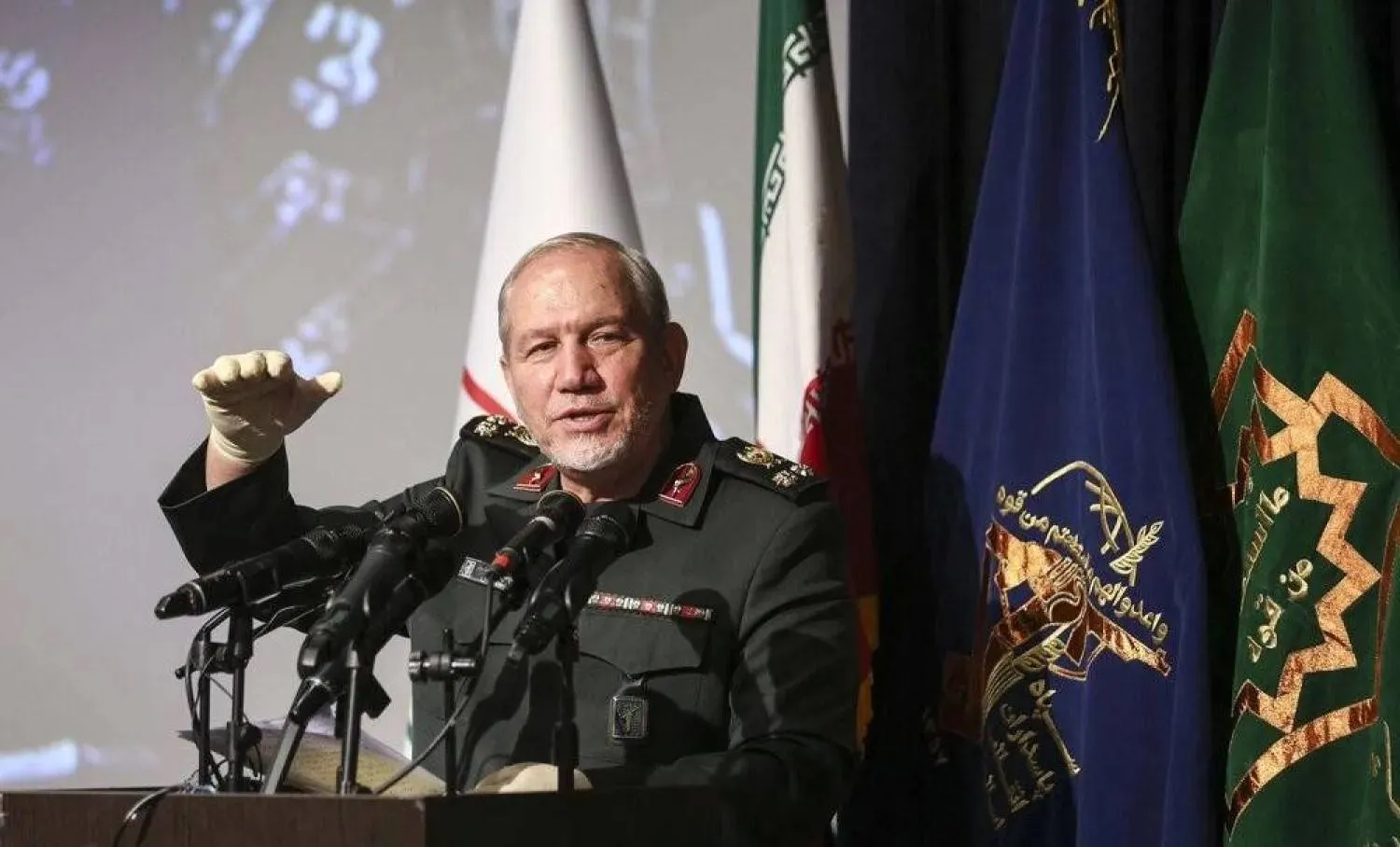
Yahya Rahim Safavi, senior military adviser to Supreme Leader Ali Khamenei (Mehr)
TT

Iran Warns: Ceasefire is Temporary, New conflict with Israel Could Erupt at Any Moment

Yahya Rahim Safavi, senior military adviser to Supreme Leader Ali Khamenei (Mehr)

Yahya Rahim Safavi, senior military adviser to Iran’s Supreme Leader Ali Khamenei, warned on Monday that a new conflict with Israel could erupt at any moment, signaling further escalation in tensions.

Also, Iran’s First Vice President Mohammad Reza Aref warned that the war with Israel has not ended, describing the current calm after June’s 12-day conflict as only a temporary halt.

“A new war with Israel could break out at any moment,” wrote IRNA, the Iranian regime-affiliated news site, quoting Safavi. "And after that war, perhaps there will be no more wars. That is a possibility.”

“At present, we are not in a ceasefire; we are in a stage of war, and at any moment the fighting may resume,” Safavi said. The military advisor then noted that there is no written ceasefire agreement between the sides.

“No protocol, regulation, or agreement has been written between us and the US or Israel,” he said, adding that Washington and Tel Aviv think they can create peace quickly through force. “Iran, too, must be strong – both in the region and on a global scale,” Safavi noted.

The top military adviser then affirmed that Iranian forces are planning for all possible outcomes, “We, military personnel, are developing scenarios according to the worst-case scenarios and preparing plans to face them,” Safavi said.
He called for strengthening both defensive systems and offensive capabilities.

Safavi concluded that preparing for war is the best guarantee of peace: “The best means of defense is attack, and preparing for war is the best way to ensure peace.”

For his part, Ali Fadavi, the deputy commander of the Iranian Revolutionary Guard Corps (IRGC) said on Monday Israel suffered miscalculation in the 12-day war imposed on Iran, also warning the enemy against falling into the same trap again.

According to Iran’s Tasnim news agency, Fadavi said Israel and the US entered the war with their full power. “But they suffered a miscalculation as they were certain of success, which did not happen,” he noted.

Negotiation Strategy

Meanwhile, Iran’s First Vice President Mohammad Reza Aref said that his country is not in a ceasefire agreement, warning that war could erupt at any moment.

“We must be prepared at every moment for confrontation; right now, we are not even in a ceasefire (agreement); we are in a cessation of hostilities,” he said.

Speaking to presidents of major Iranian universities in Tehran, Reza Aref said the Western powers try to dictate their policies to other countries while Iran is standing up to them.

“We do not seek war, but our strategy is that if they start a war, its end will be ours,” the vice president said.

“Of course, our strategy is to resolve issues through negotiations, but we are concerned whether the other side believes in negotiations or not,” he added.

Foreign Threats

In return, both Israel and the US issued severe warnings to Iran. US President Donald Trump and Prime Minister Benjamin Netanyahu have warned they will not hesitate to hit Iran again if it resumes enrichment of uranium, a possible pathway to developing nuclear weapons.

Last week, Trump warned that if Iran restarted enrichment despite the June strikes on its key production plants, “we’ll be back.” Tehran responded with a vow of forceful retaliation.

Still, Tehran fears future strikes could cripple political and military coordination, and so has formed a defense council to ensure command continuity even if the 87-year-old Khamenei must relocate to a remote hideaway to avoid assassination.

Iranian President Masoud Pezeshkian said on Sunday that resuming talks with the United States “does not mean we intend to surrender,” addressing hardliners opposing further nuclear diplomacy after the war. He added: “You don’t want to talk? What do you want to do? ... Do you want to go (back) to war?”



NATO: Ukraine Still Receiving Arms Despite Mideast War

NATO Secretary General Mark Rutte via Reuters/File
TT

NATO: Ukraine Still Receiving Arms Despite Mideast War

NATO Secretary General Mark Rutte via Reuters/File

Ukraine is still getting essential defense equipment despite the war in the Middle East, which is depleting stockpiles in Europe and the United States, NATO Secretary General Mark Rutte said Thursday.

"The good news is that essential equipment into Ukraine continues to flow," he told reporters. That included American-made Patriot missile interceptors, which Ukraine desperately needs, he added, AFP reported.

The PURL program, launched last year, allows Ukraine to receive US equipment financed by European countries.

Some 75 percent of the missiles used by Patriot batteries in Ukraine have been supplied through the program, and 90 percent of the munitions used by other air-defense systems, Rutte added.

Rutte called on European countries to increase their own production capacity.

"They need to produce more extra production lines, extra shifts, opening new factories. The money is there," he said.


Germany FM Says 'Encouraging' if US Speaking Directly to Iran

German Foreign Minister Johann Wadephul. (Reuters: File Photo)
TT

Germany FM Says 'Encouraging' if US Speaking Directly to Iran

German Foreign Minister Johann Wadephul. (Reuters: File Photo)

Germany's foreign minister Thursday said it was encouraging if the United States was talking directly to Iran to end the war in the Middle East, but Washington should make its intentions clear.

"I hear that there are signs that the US is speaking directly to Iran. I think that this is encouraging and this is welcome," Johann Wadephul told reporters before heading into the meeting of G7 foreign ministers outside Paris, AFP reported.

With US Secretary of State Marco Rubio set to join the discussions from Friday, he added: "For the German government it is of great importance to know precisely what our American partners are intending."


US Envoy Witkoff Says Iran is Seeking an Off-ramp

US Special Envoy Steve Witkoff speaks during a cabinet meeting at the White House in Washington, DC, US, March 26, 2026. REUTERS/Evelyn Hockstein
TT

US Envoy Witkoff Says Iran is Seeking an Off-ramp

US Special Envoy Steve Witkoff speaks during a cabinet meeting at the White House in Washington, DC, US, March 26, 2026. REUTERS/Evelyn Hockstein

The United States has sent Iran a "15-point action list" as a basis for negotiations to end the current conflict, US Special Envoy Steve Witkoff said on Thursday, adding that there are signs that Tehran was interested in making a deal.


Witkoff, speaking during a cabinet meeting at the White House, said that the nascent talks could be successful if the Iranians realize there were no good alternatives - a realization Tehran might be coming to, he argued, Reuters reported.


"We will see where things lead, and if we can convince Iran that this is the inflection point with no good alternatives for them other than more death and destruction," Witkoff told reporters.


"We have strong signs that this is a possibility."


Witkoff said Pakistan had been acting as a mediator, confirming statements from Pakistani officials.