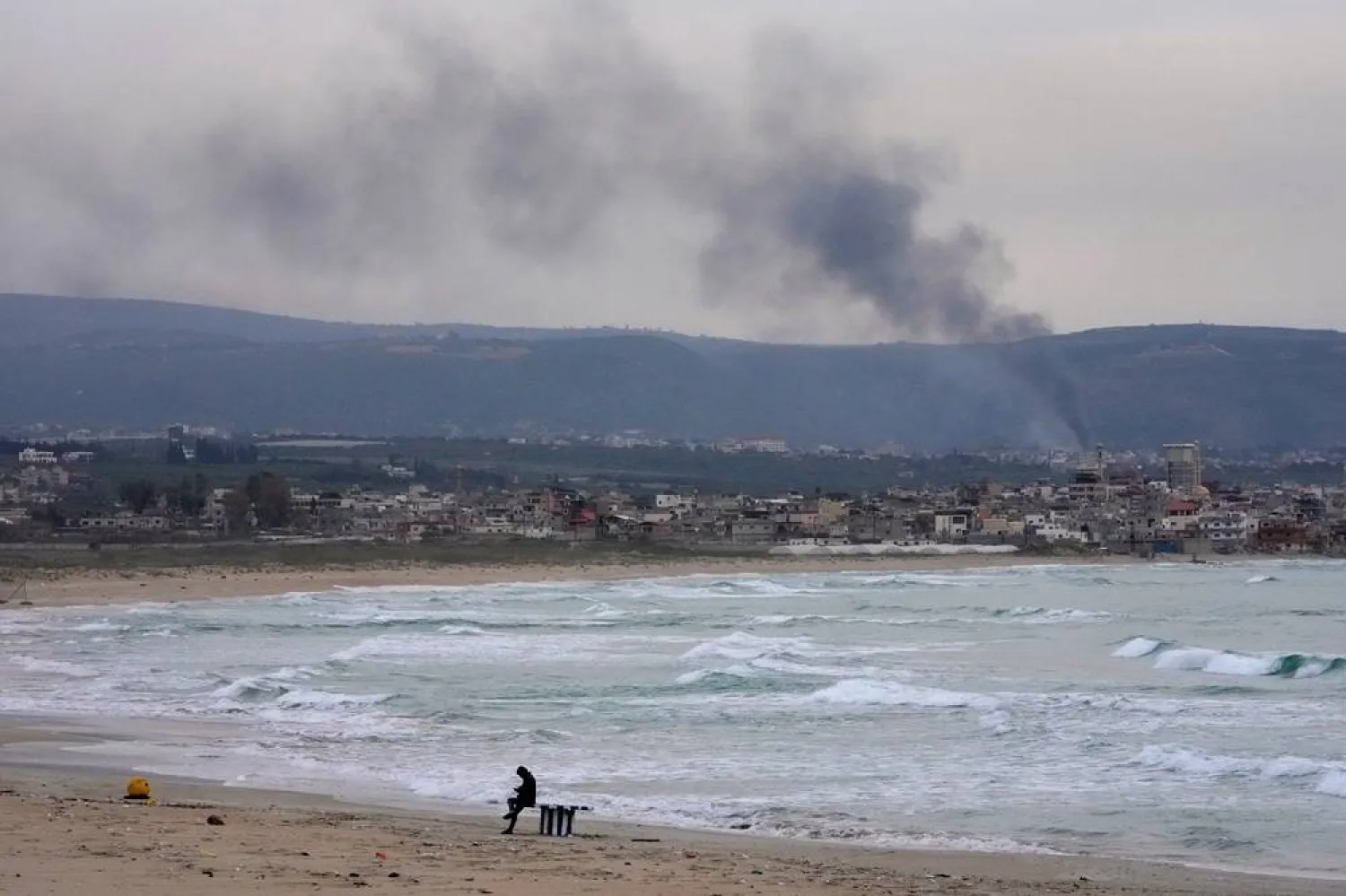

Lebanon has received with “concern” Israeli Prime Minister Benjamin Netanyahu’s remarks that Israel would scale back its military presence in southern Lebanon if the Lebanese armed forces took action to disarm Hezbollah, while the Iran-backed group reiterated its refusal to lay down its weapons.
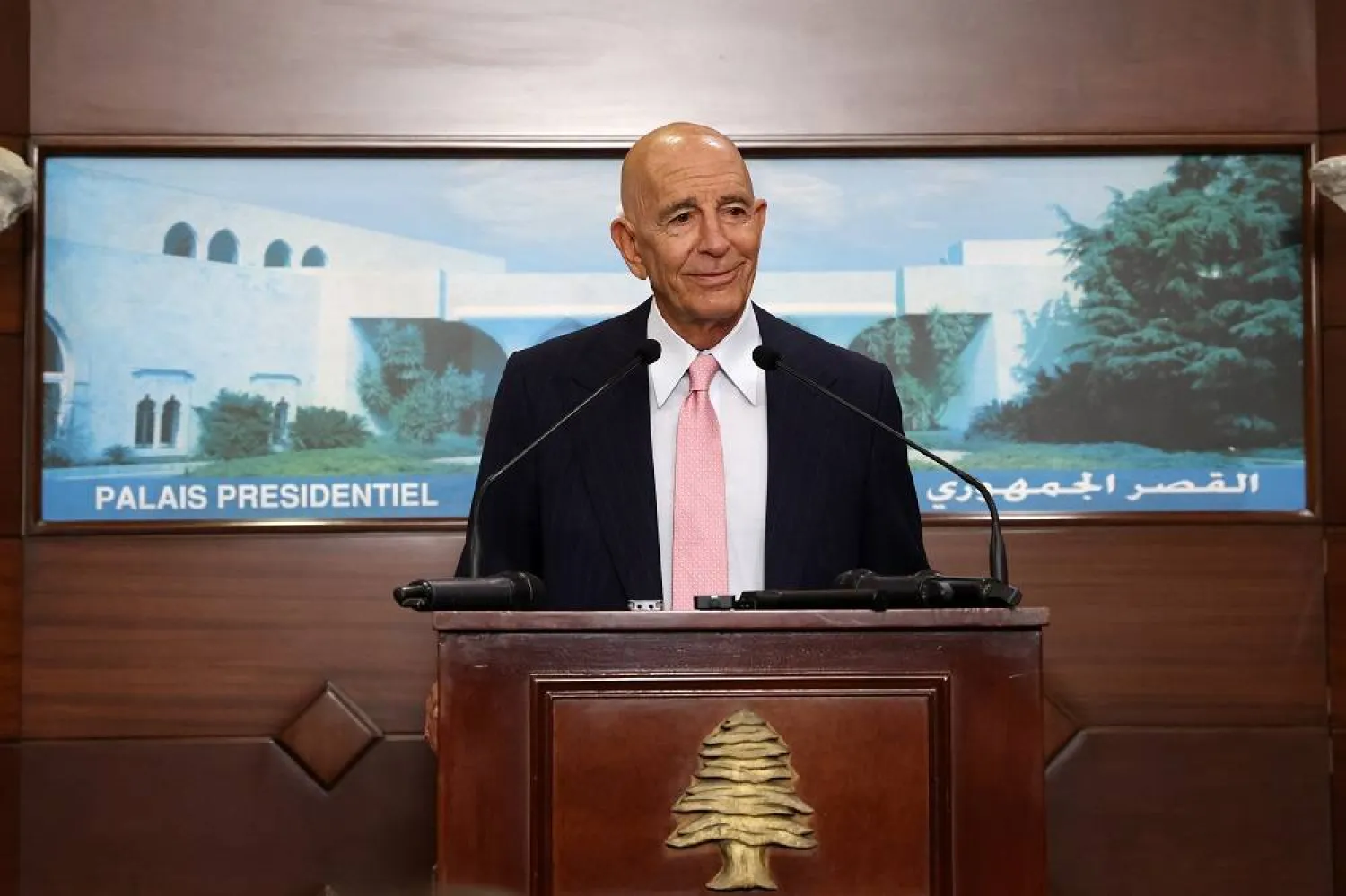
Ministerial sources told Asharq Al-Awsat Netanyahu’s statements were a “negative sign” that will have an impact on US special envoy Tom Barrack’s visit to Beirut. He had arrived in the capital on Monday evening and is set to meet with Lebanese officials on Tuesday.
Netanyahu’s remarks are “not reassuring”, especially given that Hezbollah is tying any action on its end with Israel first withdrawing its forces from Lebanon, continued the sources.
Israel’s conditions have effectively taken Barrack’s mission back to square one, they lamented.
The sources also warned that Hezbollah may take to the streets to protest the developments.
Meanwhile, sources from parliament Speaker Nabih Berri's Development and Liberation bloc said Netanyahu’s remarks sought to create “confusion” ahead of Barrack’s visit.
Lebanon should issue a statement to respond to Israel, they told Asharq Al-Awsat.
This month, Lebanon's cabinet tasked the army with drawing up a plan to establish state control over arms by December, effectively calling for the disarmament of all armed groups in the country, including Hezbollah.
The Netanyahu’s office described the Lebanese cabinet's decision to back the move as a momentous decision. Israel stood “ready to support Lebanon in its efforts to disarm Hezbollah”, the statement said without saying what support it could provide.
Meanwhile, President Joseph Aoun said on Monday the government had taken an unprecedented decision over the monopoly of arms.
Lebanon must seize the Arab and international attention. It has several opportunities that it must invest by moving “passed narrow sectarian and partisan interests”, he told a delegation from Irada, an association of Lebanese businessmen and professionals.
“Sects do not make a nation, but the nation protects all sects,” he declared.
Prime Minister Nawaf Salam said Israel “must respect Lebanon’s sovereignty and withdraw from all Lebanese territories to allow the army to complete its deployment in the South.”
Meeting with American Congressmen Darin LaHood and Steve Cohen in Beirut, he called on Israel to end its hostile acts and release detainees, so that Lebanon forge ahead with reconstruction.
For his part, LaHood hailed the Lebanese government’s efforts in imposing state authority across the country and limiting the possession of weapons to the state.
These steps help restore the international community’s trust in Lebanon, he stressed, while noting that the army was playing a central role in bolstering security and stability.
He vowed that he will continue to pursue congressional support for the Lebanese army.