



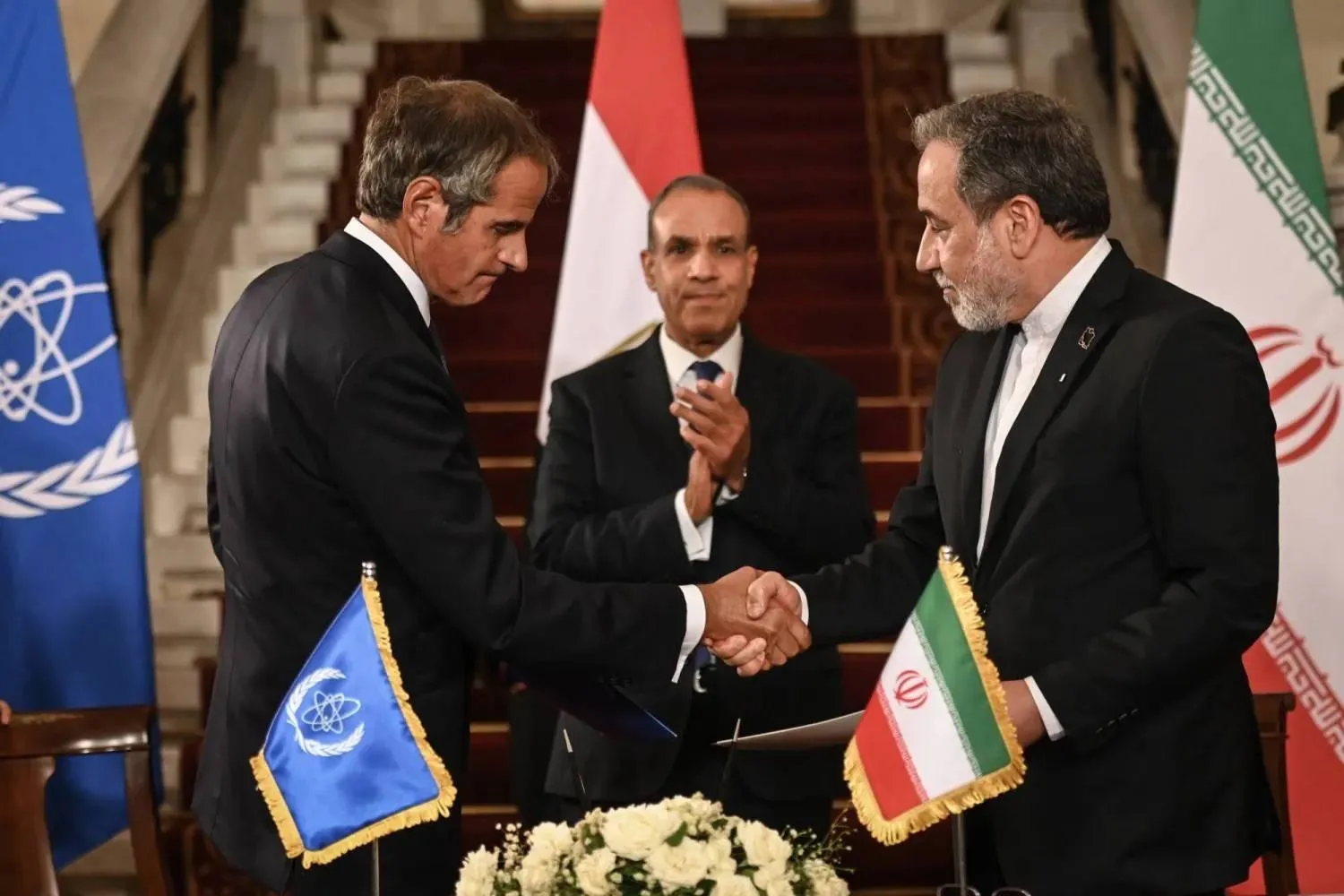

Iran’s parliament said it is reviewing the country’s recent agreement with the International Atomic Energy Agency (IAEA), though the final word rests with the Supreme National Security Council, headed by senior adviser to Supreme Leader Ali Khamenei, Ali Larijani.
According to the semi-official Tasnim news agency, parliamentary spokesman Abbas Goudarzi announced that the National Security Committee would hold an emergency session to discuss the deal in the presence of Foreign Minister Abbas Araghchi.
He emphasized that any cooperation with the IAEA must first be approved by the Supreme National Security Council.
Araghchi told state television that much of Iran’s uranium stockpile is currently buried under rubble after strikes on nuclear facilities.
“The question of whether the material remains accessible is being assessed by the Atomic Energy Organization,” he said, adding that results would be reported to the Security Council, which would decide the next steps based on security considerations.
According to the IAEA’s most recent report, Iran’s stockpile of uranium enriched to 60 percent stood at 440.9 kilograms in June, an increase of 32.3 kilograms from the previous month.
Talks between Tehran and the UN agency gained urgency after the European E3 - Britain, France, and Germany - warned they would trigger the UN’s “snapback” mechanism for sanctions in late September unless Iran allowed inspectors back into three bombed nuclear facilities.
The Europeans are also demanding clarity on some 400 kilograms of enriched uranium and direct negotiations with Washington aimed at a new nuclear accord.
The three European powers further called on Iran to implement its safeguards obligations immediately, cooperate fully with the IAEA, and permit inspections to preserve nuclear transparency and security.
Not all in Tehran support the deal.
Javad Hosseini-Kia, deputy head of parliament’s Industry and Mining Committee, denounced IAEA chief Rafael Grossi as a “Mossad agent” and threatened that he would be arrested if he entered Iran.
He accused the agency of handing nuclear site data to Israel’s intelligence services and insisted Grossi should be tried in Iran’s courts. He also demanded the IAEA condemn US and Israeli strikes on Iranian facilities.
Despite criticism, Araghchi described the agreement as “a step toward opening a new chapter” in Iran’s nuclear relations and strengthening cooperation with the UN agency.
On a political front, Larijani urged Muslim governments to form a joint operations room “against Israel.” Writing on X, he warned: “Such a decision alone would alarm this regime’s masters and force them to reconsider their orders under the guise of peace.”


