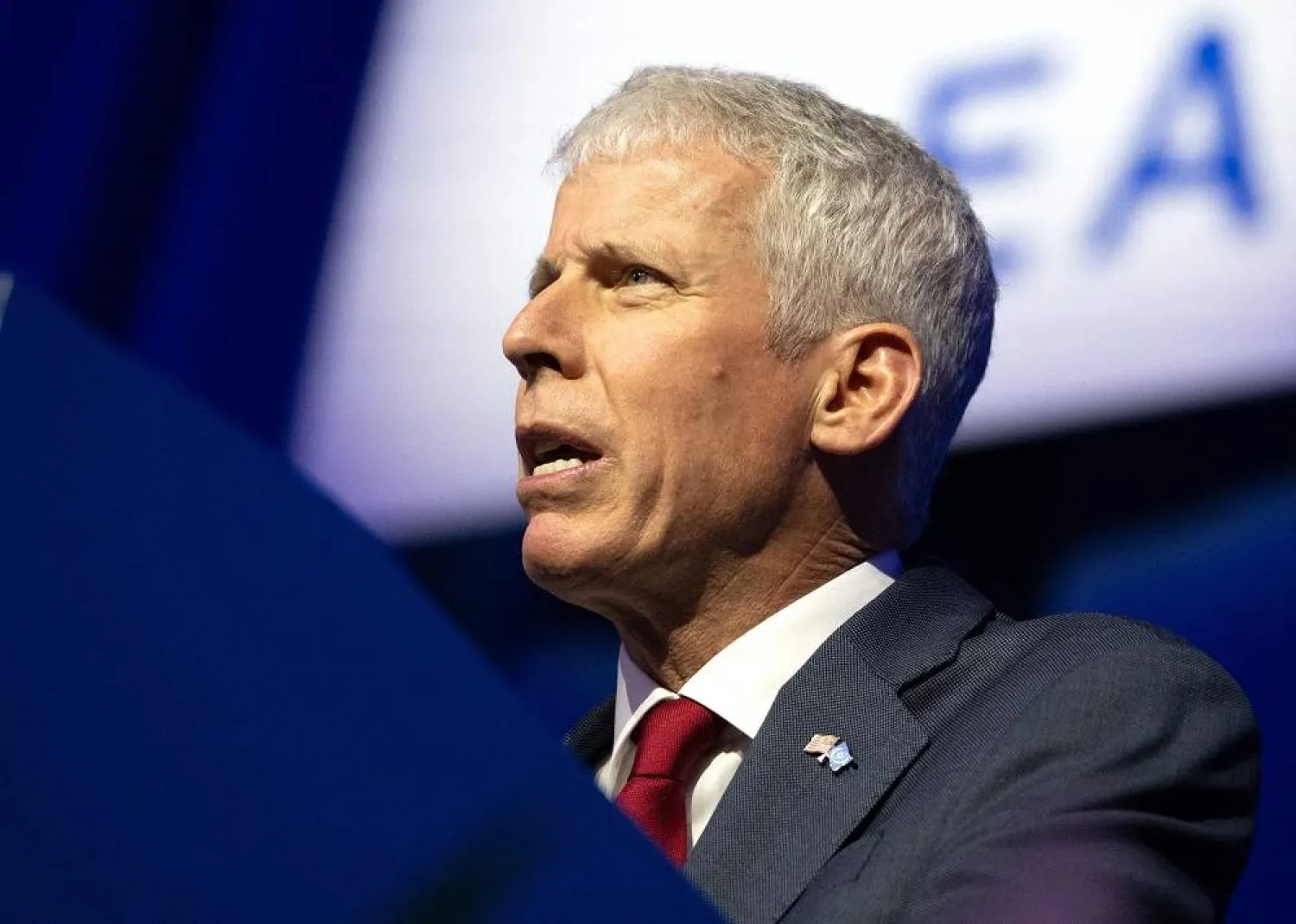

Iran's nuclear program must be “completely dismantled,” US Energy Secretary Chris Wright told the UN nuclear watchdog's annual General Conference on Monday.
“If it wasn’t already clear enough, I will restate the United States’ position on Iran. Iran’s nuclear weapons pathway, including all (uranium) enrichment and (plutonium) reprocessing capabilities, must be completely dismantled,” Wright said in a speech to a meeting of all International Atomic Energy Agency (IAEA) member states.
In return, Iran’s atomic energy organization chief, Mohammad Eslami said Iran’s enemies should understand that science and technology, and Iran’s nuclear knowledge and industry, are deeply rooted and cannot be destroyed through military operations, assassination, or aggression.
Speaking at the IAEA General Conference, Eslami criticized the UN atomic watchdog for its “silence and inaction” against the US and Israeli attacks on Iran’s nuclear facilities in June.
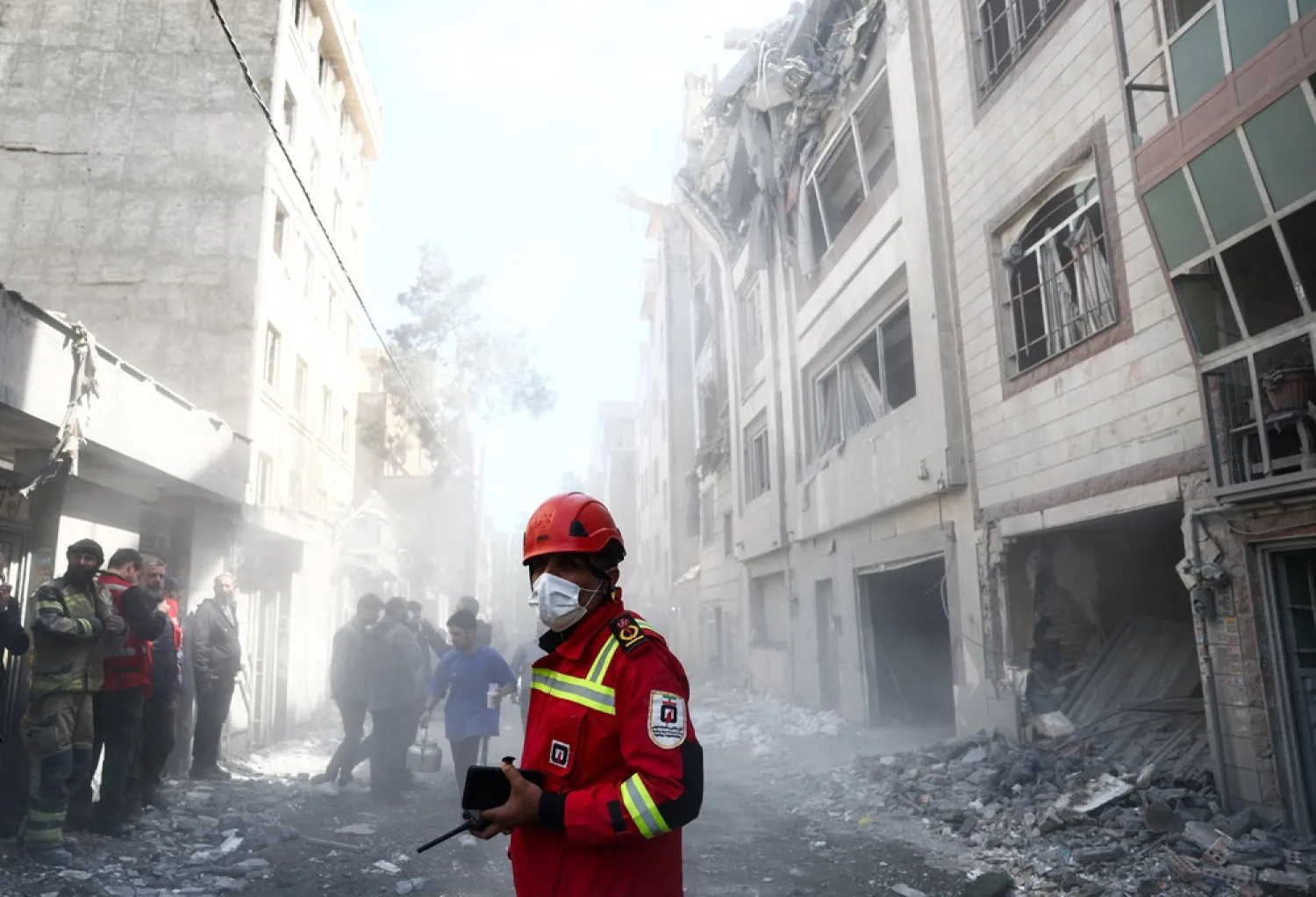
He said that on June 25, Israel committed a major crime and carried out a military attack against Iran. “This attack, occurring just hours after the adoption of a Board of Governors resolution, targeted nuclear facilities under IAEA safeguards in Iran,” he noted.
He added that on June 22, the US, a permanent member of the UN Security Council and a guardian of the Treaty on the Non-Proliferation of Nuclear Weapons (NPT), illegally joined the assault in a clear violation of international law and the UN Charter.
According to Eslami, the aim of Israel is not merely to destroy Iran’s nuclear facilities but to undermine the path of diplomacy and peace.
“What we witnessed was not only a cowardly and criminal act against Iran, but also a direct aggression against the credibility of the Agency and the integrity of the safeguards system,” he stressed.
The Board of Governors and the UN Security Council have since each held two extraordinary sessions, yet due to political pressure from the US, they were unable to adopt a decisive position against the June attack, he added.
Eslami wondered what is the point of safeguards if safeguarded nuclear facilities can be attacked with impunity.
“If sincere and good-faith cooperation is met with the assassination of scientists and their innocent families, indiscriminate military attacks on residential areas, and attacks on safeguarded nuclear facilities, then what value does transparency have?” he asked.
Eslami recalled that Iran’s Parliament consequently approved the suspension of activities related to IAEA safeguards.
“This does not mean withdrawal from the NPT,” he clarified. “Iran remains a member of the treaty but will continue cooperation with the Agency under new arrangements once the security concerns of the nation and nuclear facilities are addressed.”
Therefore, Eslami called on the atomic agency to condemn attacks on Iran’s safeguarded nuclear facilities, restore respect for international law, address Iran’s legitimate security concerns, and restore its integrity and neutrality.
He said that any action short of this not only constitutes a betrayal of the UN Charter and the IAEA Statute, but also sets a dangerous precedent, risking the normalization of lawlessness and erosion of the foundations upon which the international order is built.