
The Strategic Mutual Defense Agreement signed between Saudi Arabia and Pakistan will help consolidate deterrence in the Islamic world.
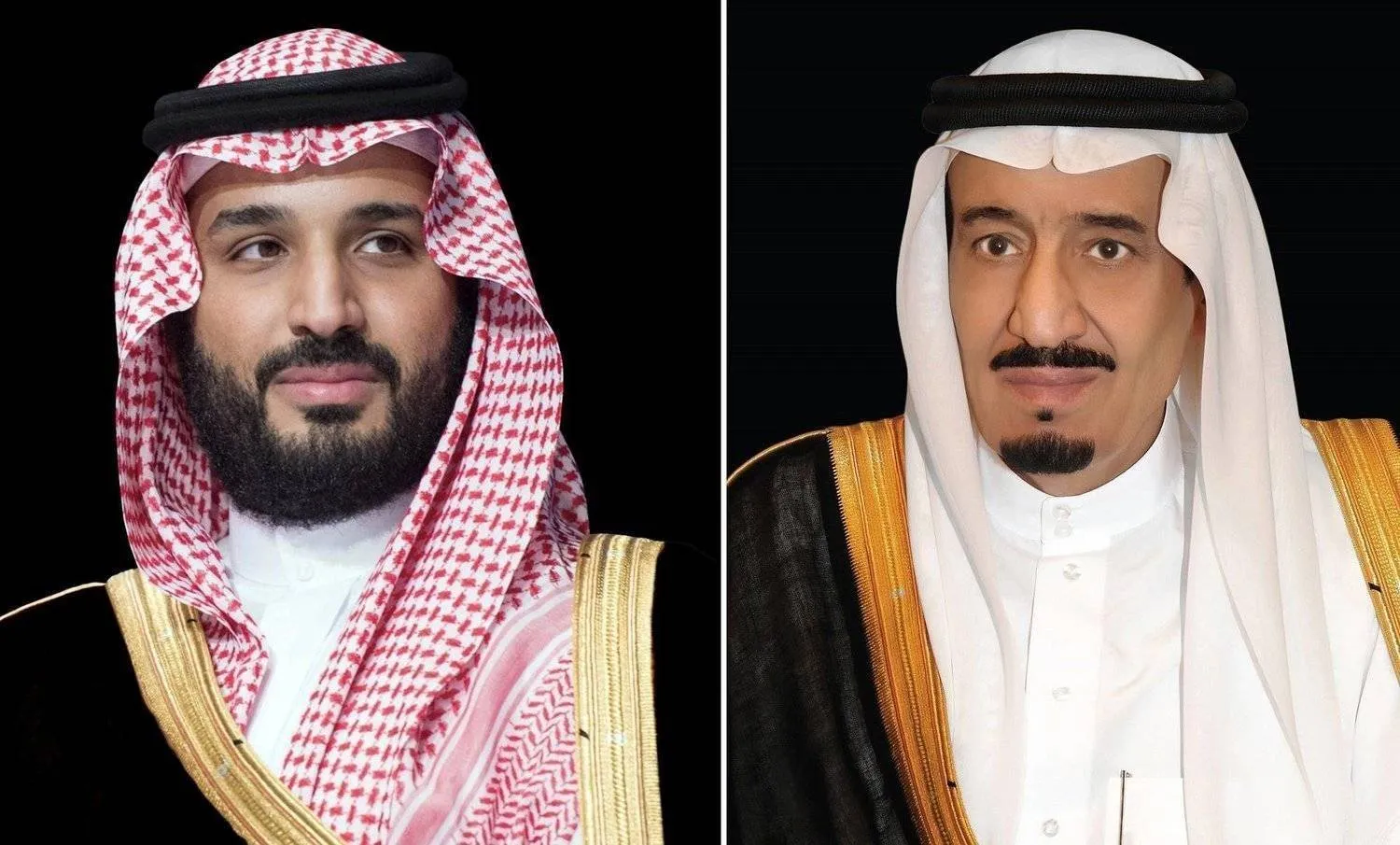
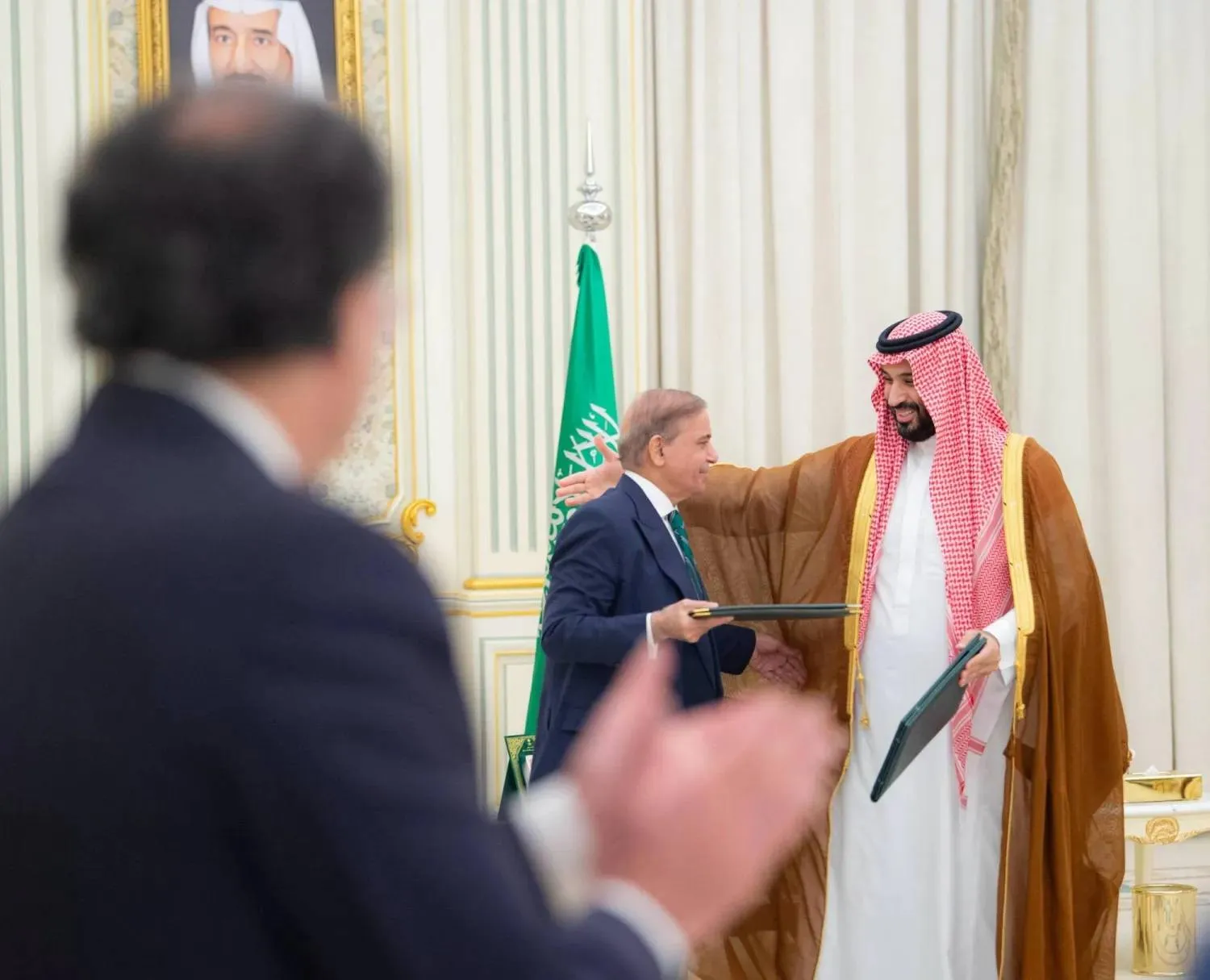
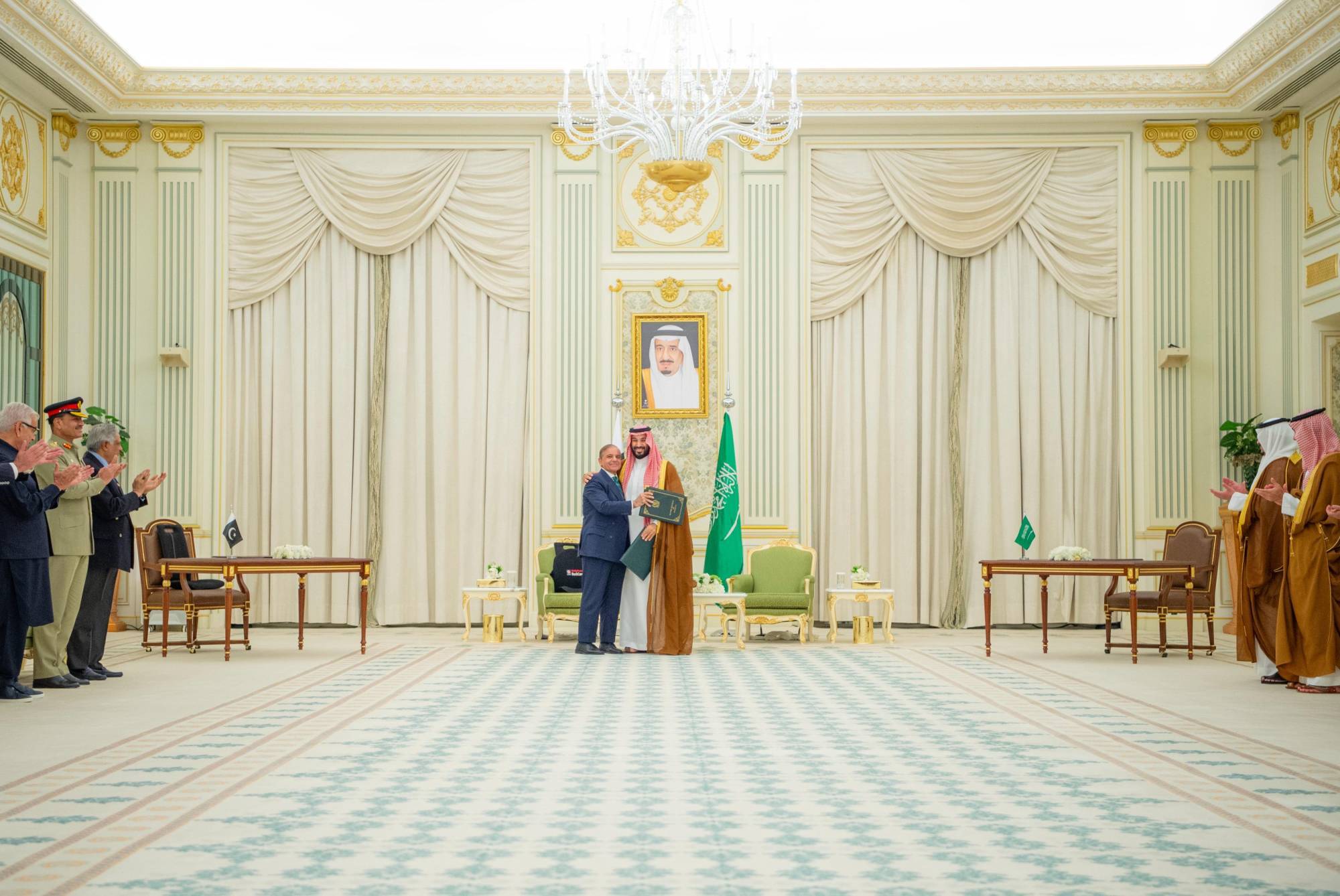
Prince Mohammed bin Salman, Saudi Crown Prince and Prime Minister, and Pakistani PM Shehbaz Sharif signed the agreement during the latter’s visit to Riyadh on Wednesday.
Sharif spoke of a “strategic vision” and “inspiring leadership” that is the foundation of the unity of the Islamic world ahead of his meeting with Crown Prince Mohammed.
“This agreement, which reflects the shared commitment of both nations to enhance their security and to achieving security and peace in the region and the world, aims to develop aspects of defense cooperation between the two countries and strengthen joint deterrence against any aggression,” said an announcement following the meeting between the two leaders.
“The agreement states that any aggression against either country shall be considered an aggression against both,” it added.
In remarks to Asharq Al-Awsat, Saudi and Pakistani analysts hailed the agreement, underscoring its importance and its impact on the “deterrence equation in the region and its changes.”
United ranks
Sharif was accorded a warm reception in Riyadh, with users on social media circulating footage of the Saudi F-15 jets accompanying his visit.
In a tweet on the X platform, the PM said he was “deeply touched by the heartwarming welcome”.
“From the unprecedented escort provided to my aircraft by the Royal Saudi air force jets to the smartly turned out guard of the Saudi Armed Forces, this welcome reception speaks volumes about the abiding love and mutual respect between Pakistan and Saudi Arabia,” he added.
“My most cordial talks today with the Crown Prince covered a wide range of issues, reviewing regional challenges and enhancing bilateral cooperation,” he said. “On the bilateral front, I greatly value the Crown Prince’s consistent support and his keen interest in expanding Saudi investments, trade and business ties between our two countries.”
Saudi Defense Minister Prince Khalid bin Salman underlined the importance of the visit, saying on X: “KSA and Pakistan.. One front against any aggressor.. Always and forever.”
Chairman of the Pakistan Ulema Council Sheikh Tahir Ashrafi said on X that “Saudi Arabia’s borders are now Pakistan’s, and Pakistan’s borders are now Saudi Arabia’s.”
“We support security and peace and support the leader of peace Prince Mohammed bin Salman and his vision of the two-state solution,” he added.
Nuclear alliance
Dr. Hesham al-Ghannam, Director General of the Security Research Center, National Security and Counterterrorism at the Naif Arab University for Security Sciences, said the agreement “reshapes the deterrence equation in the Middle East.”
“It adds an official nature to the nuclear alliance between Saudi Arabia and Pakistan,” he told Asharq Al-Awsat. Pakistan is the only majority-Muslim nation, possessing around 170 nuclear warheads.
Saudi Arabia has relied on the United States for security in the region; this is no longer enough, he went on to say. The developments that have taken place in the past decade alone demonstrate this.
Pakistan’s missiles expand Saudi Arabia’s scope of deterrence against any threat, regardless of their source, he remarked.
Asked whether Pakistan would now be obliged to provide Saudi Arabia with a nuclear umbrella, a senior Saudi official told Reuters: “This is a comprehensive defensive agreement that encompasses all military means.”
The agreement was the culmination of years of discussions, the Saudi official said when asked about the timing of the deal. “This is not a response to specific countries or specific events but an institutionalization of long-standing and deep cooperation between our two countries,” the official added.
Not a threat
Dr. Mohammed Al-Qubaiban, a military affairs expert, said the agreement serves the region in a deterrence capacity. It is not a threat to anyone.
He told Asharq Al-Awsat that Saudi Arabia boasts advanced technology and infrastructure and a traditional weapons arsenal. Pakistan, meanwhile, is a nuclear country that boasts a strong military.
He believes the agreement sends a message to allies, friends and others that “Saudi Arabia has the freedom to choose these kinds of alliances that support international peace and security.”
Al-Ghannam, who is also a nonresident scholar at the Malcolm H. Kerr Carnegie Middle East Center, said the agreement bolsters Pakistan’s missile deterrence because it secures Saudi financial backing and energy supplies.
It boosts Pakistan's regional influence and bolsters deterrence in a “region on fire”, he remarked.