



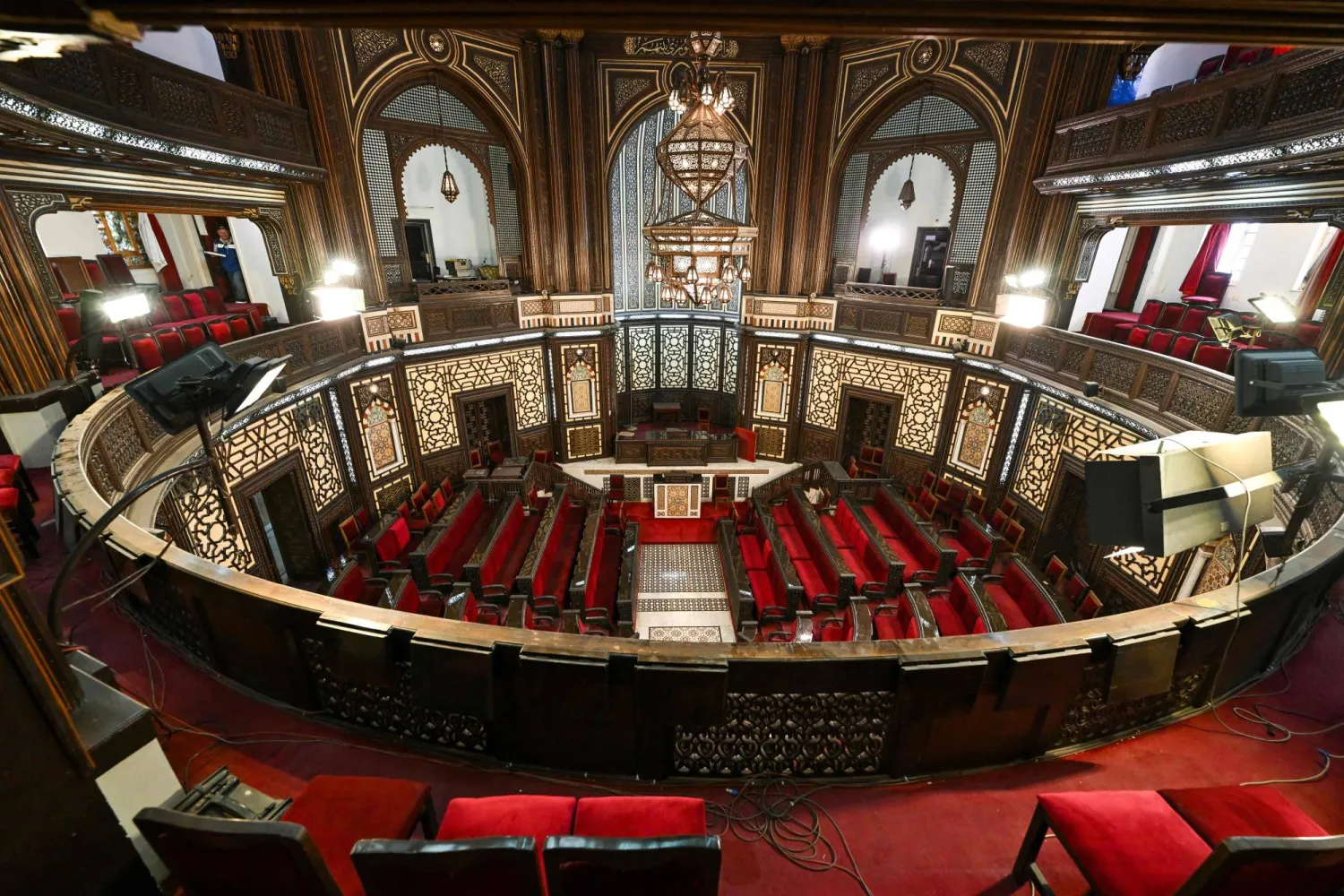

Syria will hold an indirect vote on Sunday to establish its first parliament since Bashar al-Assad was ousted, a key step in the transition from his rule but one that has stirred concerns about representation under the country's new leaders.
The process is unfolding as interim President Ahmed al-Sharaa tries to consolidate his hold over a nation fractured by 14 years of war and recent bouts of sectarian violence.
The election is an indirect one, with regional electoral colleges, made up of a combined 6,000 electors, set to pick two-thirds of the 210-seat parliament. A committee appointed by Sharaa has approved 1,570 candidates.
Sharaa, a former fighter whose opposition forces toppled Assad in December, will then select the remaining third of the seats.
The authorities say they resorted to this system rather than universal suffrage due to a lack of reliable population data and following the displacement of millions of Syrians by the war.
Citing security and political reasons, they also decided to postpone the process in the northeast, held by Kurdish-led authorities, and in the province of Sweida, largely held by Druze armed groups. That means 19 seats in parliament are expected to be left empty.
Critics have slammed those moves, saying a partial and indirect vote is unrepresentative and too centrally managed.
The eastern city of Deir Ezzor is a stark example. The winding Euphrates river divides it in two: the government-held western half where a vote will be held, and the Kurdish-controlled east with no election.
"It does not satisfy me that there are elections there, and here there aren't. We want something that serves the whole region. Syria is united," said Hassan Mohamed Dalli, a resident of the eastern bank.


