



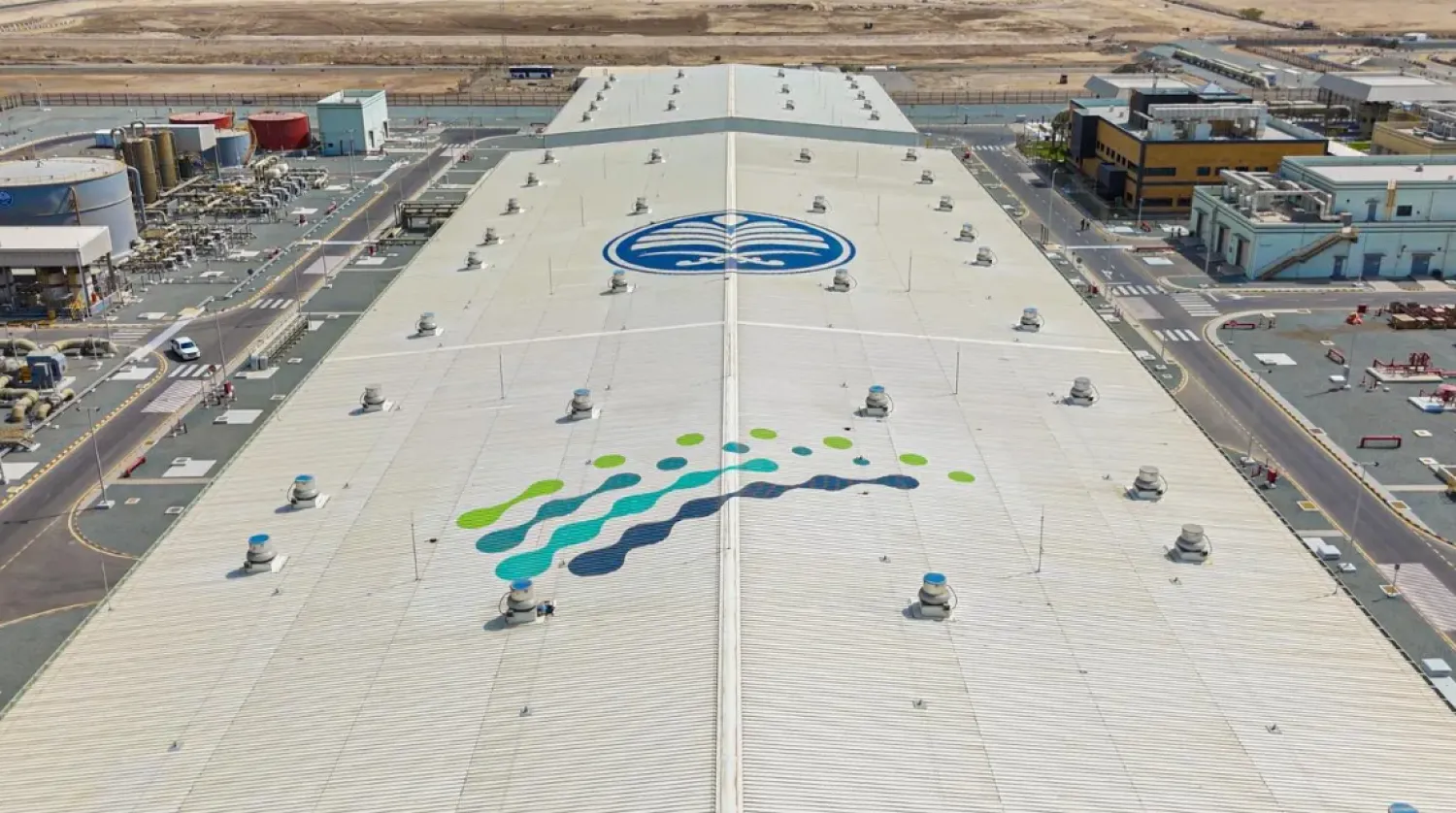

Saudi Arabia’s water sector is undergoing a transformative strategic shift in its production systems, marked by the gradual transition from energy-intensive thermal desalination technologies to advanced reverse osmosis (RO) systems, SPA reported.
The move aims to support the Kingdom’s broader environmental goals, significantly reducing carbon emissions while increasing operational efficiency and reliability.
By enhancing water supply reliability, optimizing operational performance, and lowering both environmental and financial costs, the shift aligns closely with the objectives of Vision 2030, reinforcing the Kingdom’s commitment to sustainability.
Key achievements in emission reductions across various desalination projects include Shuaibah phase II with 4.0 million tons annually, Yanbu phase III with 4.5 million tons annually, Shuqaiq phase I with 1.2 million tons annually, Shuaiba phase I with 2.3 million tons annually, Jubail phase I with 2.0 million tons annually, Jubail phase II with 8.5 million tons annually, and Al-Khobar phase II with 4.2 million tons annually.
The water sector in the Kingdom keeps accelerating the pace of its technological transformation, building strategic partnerships and leveraging cutting-edge innovations to drive future growth.


