




Russian Foreign Minister Sergei Lavrov on Wednesday blamed former Iranian Foreign Minister Mohammad Javad Zarif for the inclusion of the ‘Snapback mechanism’ in the nuclear deal, describing it as a “legal trap” set ahead of the 2015 agreement.
Lavrov’s remarks constitute a direct accusation against Zarif and suggest tension in relations between Moscow and Tehran, observers said.
During an interview with Arab reporters in Moscow, Lavrov was asked to comment on statements attributed to Zarif, in which the former minister criticized Russia for undermining efforts to renew the nuclear deal during President Hassan Rouhani’s term.
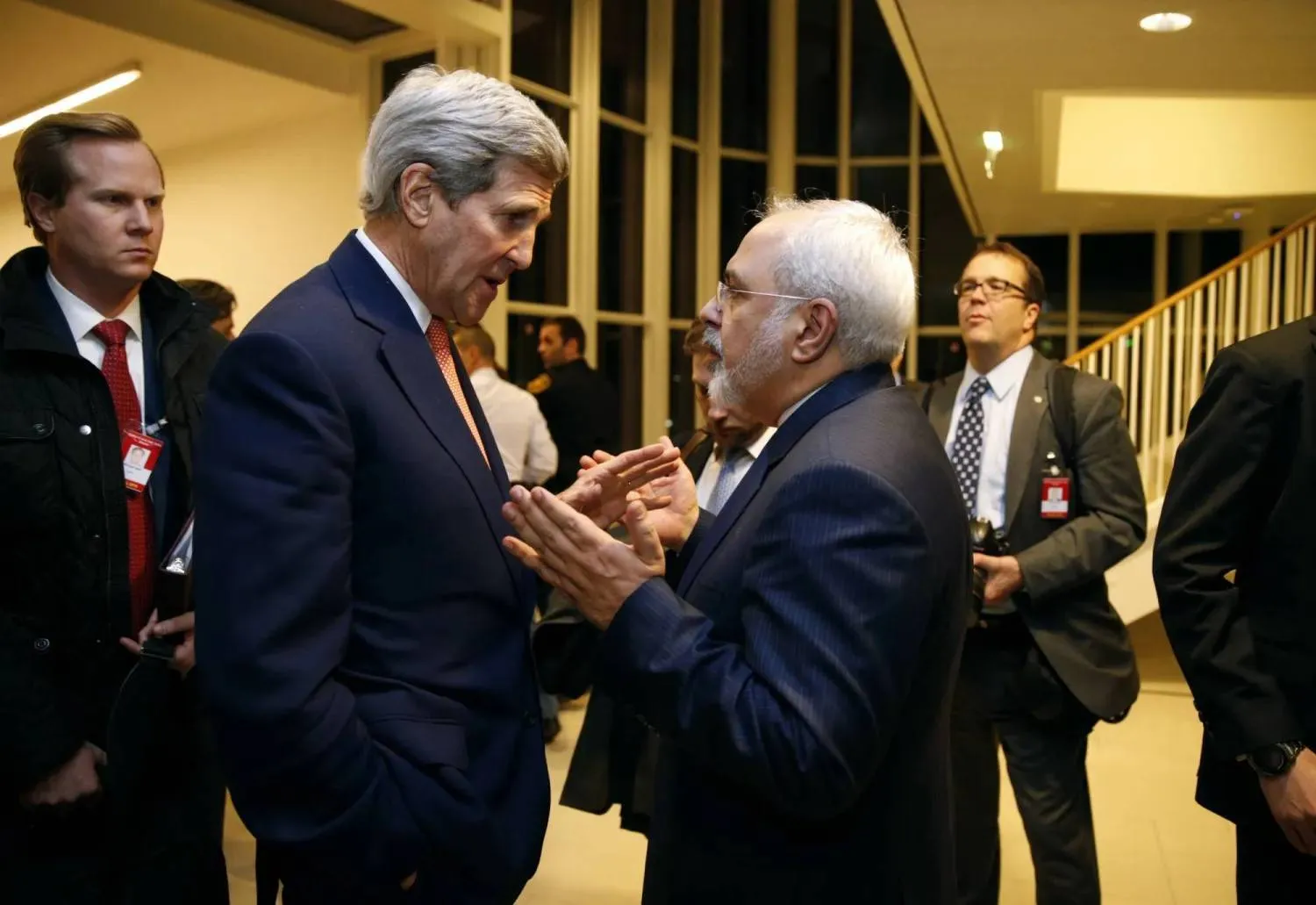
“The final decision on JCPOA (Joint Comprehensive Plan of Action) was made directly by Zarif and then-US Secretary of State John Kerry. The other participants were essentially observers at that point, watching the US and Iran reach an agreement.”
Lavrov explained that the mechanism was in fact agreed to in the final stage of the negotiations directly between Zarif and Kerry.
“To be honest, we were surprised. But if our Iranian partners accepted this formulation – which, frankly, was a legal “trap” – we had no grounds to object. I can understand why Zarif supported such an unconventional formula,” the Russian FM said.
In an interview on April 2021 with a think tank associated with the Iranian presidency, Zarif described Russia as wanting to stop the nuclear deal, suggesting Moscow wanted to keep Iran at odds with the West. “The Russians didn’t think the JCPOA would reach a result and in the final weeks when they saw the JCPOA was being concluded they started new proposals,” Zarif had said.
Implicit Criticism
Although Lavrov affirmed that Russia worked closely together with Zarif for many years on the JCPOA, his tone carried implicit criticism, as he said, “I can understand why Zarif supported such an unconventional formula: Iran had no intention of violating the JCPOA and was confident that no one would accuse it of doing so.”
Also, Lavrov added, “What happened instead is that Iran did not breach the deal, yet the United States withdrew from it, and the Europeans failed to meet their commitments. After that, they began again demanding new concessions from Iran. Since you mentioned Zarif, this “creation” was largely his.”
Lavrov, who is normally keen to show solidarity with Russia’s allies, chose to criticize Zarif shortly after Russian President Vladimir Putin said that Russia has played an important role in easing tensions between Iran and Israel.
Meanwhile, Tehran is seeking to strengthen its military cooperation with Moscow, as Western countries reimposed last month the snapback mechanism to reinstate UN sanctions on Iran lifted under a 2015 nuclear deal.
Russia has rejected the UN reimposition of sanctions against Iran. However, Lavrov’s remarks, which suggested that Tehran had supported “the unconventional formula” of the snapback, could weaken Iran's position both at home and abroad, especially as Zarif's critics accuse him of offering concessions during negotiations with the West.
Different Agendas
Tehran hoped Moscow could provide political cover against mounting Western pressure. But Lavrov said Russia and other participants were essentially observers to the talks between Zarif and Kerry at the time of the signing.
Therefore, the Russian FM indirectly signaled that Moscow and Tehran has different agendas, despite sharing military cooperation.
Regarding this cooperation, Lavrov said Russia supplies the equipment that Iran needs. “All of this is carried out strictly within the framework of international law,” he noted.
The Russia minister, however, did not comment when asked if Russia supplied S-400 air defense missile systems to Iran.
Meanwhile, several officials in Tehran fear renewed international isolation, particularly at a time when the government is accused of making strategic concessions.
According to analysts, Lavrov’s statements are a reminder that Moscow does not intend to bear the consequences of its partners' mistakes, and that its support for Tehran is not final.


