



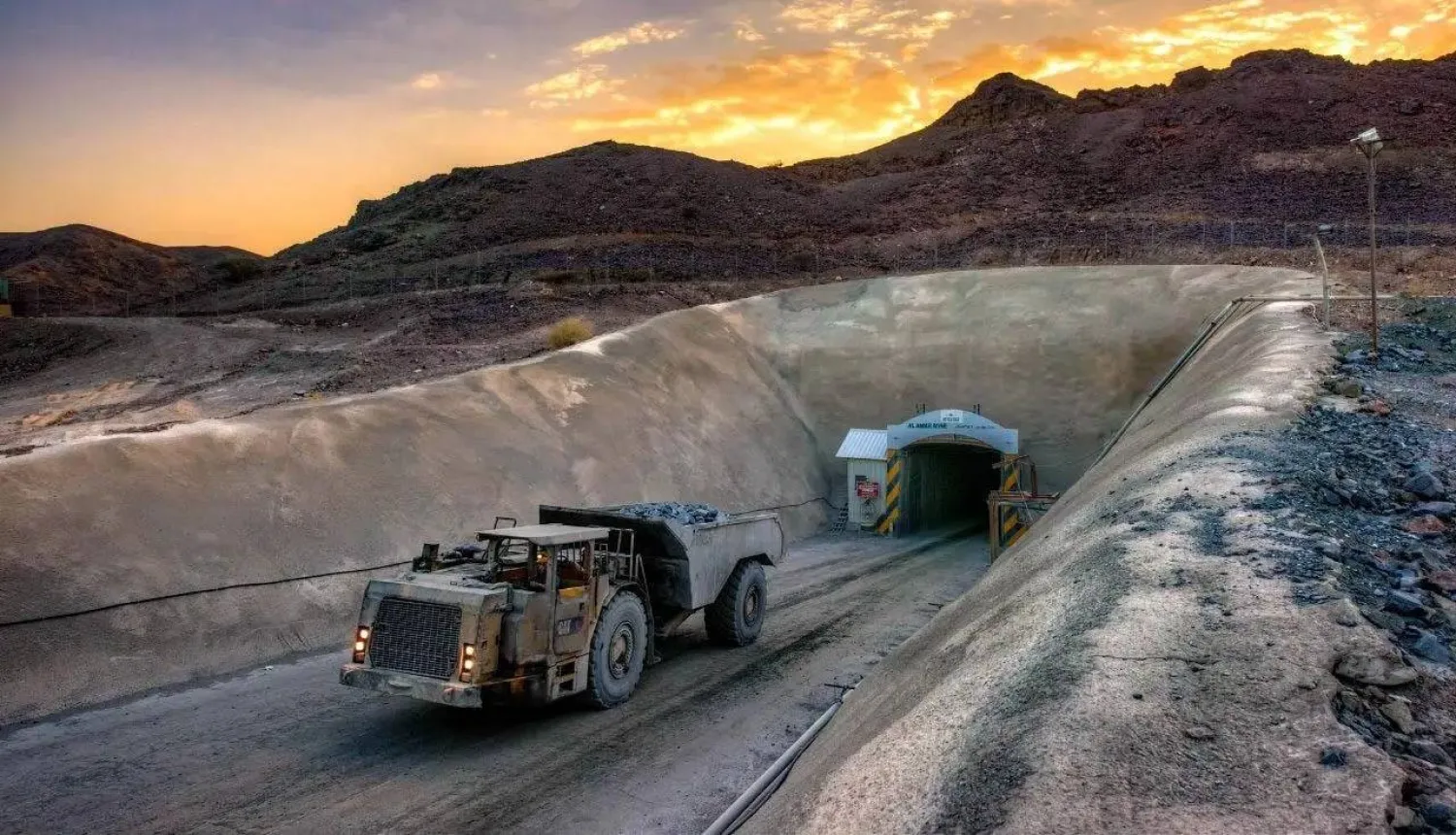

Saudi Arabia is accelerating its efforts to expand the mining industry and position gold as a cornerstone of the national economy as part of Vision 2030, which aims to diversify income sources and reduce dependence on oil.
The Kingdom’s strategy focuses on developing existing mines, identifying new mineral deposits, and increasing domestic gold production to support economic stability while strengthening Saudi Arabia’s position regionally and globally.
In a significant step toward achieving these goals, Maaden signed a contract worth SAR391.1 million (USD 104.3 million) on Thursday with Bechtel Saudi Arabia and Bechtel Australia.
The agreement covers engineering, procurement, and construction management services for the Rjum gold mine in the Makkah region. The mine is expected to produce 3.6 million ounces of gold over 12 years, an average of around 300,000 ounces annually.
Saudi Arabia currently operates six major gold mines, including Mansourah-Massarah gold mine, the newest and largest, with an annual production target of 320,000 ounces. Other major operations include Mahd Ad Dahab, Ad Duwayhi, and Al Amar, all of which continue to expand their output.
The Rjum project will be a key addition to this production base, contributing substantial annual volumes for more than a decade. Geological surveys also indicate significant untapped potential, particularly at Jabal Qattan, which could further drive production growth and enhance the Kingdom’s standing in the global mining sector.
Saudi Arabia’s gold reserves currently total 323.07 tons, making it the largest holder of gold reserves in the Arab world and the 18th largest globally. This solid reserve base reflects the strength of the Kingdom’s financial position and provides a cushion against global price fluctuations.
Dr. Hind Alofaysan, Associate Professor of Economics at Princess Nourah Bint Abdulrahman University, told Asharq Al-Awsat that this reserve “shows that the Kingdom possesses real, diversified assets beyond energy, reinforcing investor confidence in its financial resilience and capacity for sustainable economic growth.”
Alofaysan underlined that gold and mining are among Saudi Arabia’s key strategic growth drivers, enabling increased domestic output and more efficient resource utilization. “This represents a strategic shift toward building a strong resource base that strengthens Saudi Arabia’s role as a regional and global mining hub,” she said.
She added that expanding gold investments aligns with Vision 2030’s aims to diversify the economy, reduce reliance on oil, transform mineral resources into economic value, create high-quality jobs, and attract foreign investment.
Dr. Abdullah Algannass, Head of the Finance Department at Prince Sultan University and CEO of Tharaa Financial Center, said Saudi Arabia’s significant gold reserves reflect its strong credit profile and reinforce its global financial standing.
He stressed that new mining projects such as Mansourah-Massarah and Rjum will not only boost production but also enhance fiscal sustainability and economic diversification, reinforcing the Kingdom’s position as a major player in the global economy.


