
Saudi Arabia, which views tourism as a key driver of economic growth and revenue diversification, is pressing ahead with major projects in the sector, with investments expected to exceed 200 billion dollars over the next five years.
Flagship destinations include NEOM and the Red Sea Project, among other new developments planned through 2030.
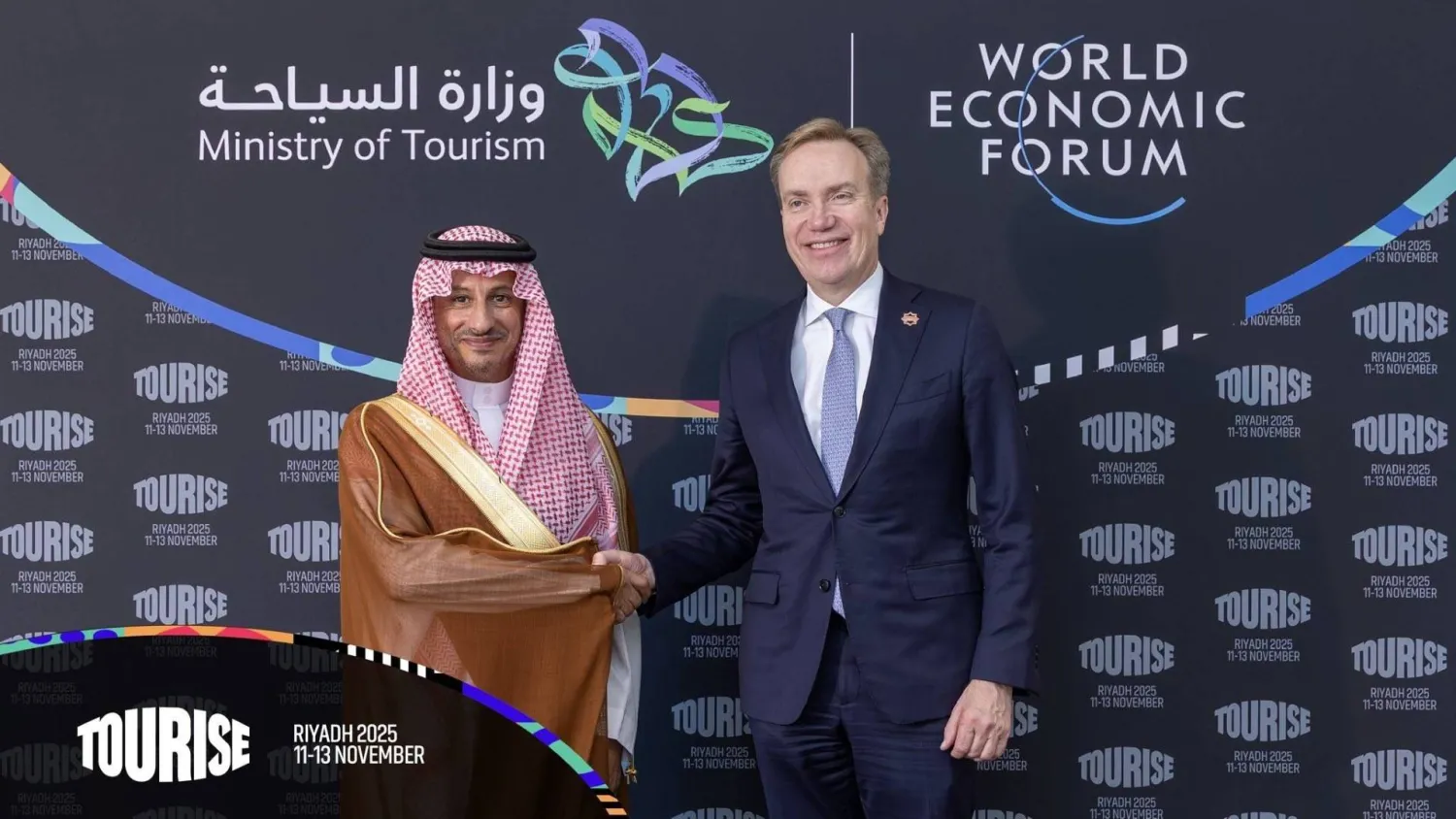
The figure was announced by Tourism Minister Ahmed Al-Khateeb in his opening address at the TOURISE 2025 forum in Riyadh on Tuesday. The event, held under the patronage of Saudi Crown Prince Mohammed bin Salman drew senior tourism leaders and policymakers from more than 120 countries.
TOURISE aims to bring governments, the private sector and non-governmental organizations together to drive sustainable growth and innovation in the industry. It seeks to gather all components of the tourism ecosystem annually for the first time to guide strategies, shape partnerships and align investment.
The need for such a platform has grown more urgent with the rapid rise in global travel. Some 1.5 billion people traveled internationally in 2023, a number expected to reach between 2.5 billion and 3 billion by 2035.
This expansion requires significant capital investment. Saudi Arabia alone expects to channel more than 200 billion dollars into tourism over the next five years to support emerging destinations such as NEOM and the Red Sea.
Tourism currently accounts for about 10 percent of global GDP, or roughly 11 trillion dollars. TOURISE 2025 aims to reinforce tourism’s status as a strategic industry that requires organized international cooperation.
Riyadh wants the forum to become a standing global platform for policy dialogue, investment facilitation and innovation, underscoring the Kingdom’s commitment to a more sustainable and inclusive tourism model for future generations.
Global platform
Al-Khateeb said the event serves as an international platform bringing together the public and private sectors to discuss the future of tourism and investment.
He highlighted the Kingdom’s strategy to develop the industry in line with Vision 2030, which positioned tourism as a key engine of economic growth and diversification.
Tourism has become a major driver of economic expansion and youth opportunities in Saudi Arabia, according to Al-Khateeb.
Since 2019, the Kingdom has taken part in global conferences and events, he said, and “these experiences revealed a gap between the private sector, governments and NGOs,” prompting the launch of TOURISE 2025 as a platform bringing the entire tourism ecosystem under one roof, including travel agencies, digital platforms, airlines, airports, transport and accommodation providers, retail, food and beverage, and supporting technologies.
‘Beyond Tourism’
Al-Khateeb launched the “Beyond Tourism” initiative in partnership with the World Economic Forum. The multi-sector initiative focuses on the future of travel and tourism through ten core principles, highlighting the industry’s role as a bridge between cultures, a driver of community empowerment and a creator of opportunities for future generations.
He said tourism will receive increased attention during upcoming World Economic Forum sessions.
Al-Khateeb also outlined global challenges, including a projected rise in traveler numbers, labor shortages, large-scale hospitality investments and the importance of technology and artificial intelligence while preserving human interaction. He stressed that TOURISE 2025 is a global platform to address the sector’s future and develop practical solutions to strengthen its sustainability.
He said the strong turnout at the forum followed “intensive days of work with 160 countries at the UN General Assembly,” adding that ministers and international partners are helping support the development of the sector.
The tourism ecosystem, he noted, extends far beyond travel itself, encompassing travel agencies, digital platforms, airlines, airports, transportation and accommodation, retail, food and beverage, and enabling technologies, all of which form essential parts of the tourism experience.
Al-Khateeb said around 1.5 billion people traveled last year, even though only 20 percent of the world’s population travels. He expects the number to rise to 2.5 billion or 3 billion by 2035.
He cited challenges facing the industry worldwide, including aircraft manufacturers’ ability to meet rising demand and major expansions in hospitality investments. In Saudi Arabia alone, more than 200 billion dollars were spent in the past five years and will be spent in the next five to build new destinations and cities such as NEOM and the Red Sea.
Millions of workers
Al-Khateeb said 357 million people currently work in tourism globally and that the sector is expected to add 90 million new jobs by 2034. He said the “jobs gap” and the need for practical solutions were discussed during UN General Assembly meetings.
On technology, he said artificial intelligence “is coming and cannot be avoided,” but should be used carefully in sectors that rely heavily on human interaction. He stressed that human connection remains essential in tourism and hospitality, noting that women hold 40 percent of jobs in the sector and youth hold 80 percent, making tourism one of the best industries for creating sustainable employment.
Attracting investment flows
Investment Minister Khalid Al-Falih said tourism in Saudi Arabia has achieved major leaps, with its contribution to GDP rising to more than 200 billion riyals, or 53 billion dollars, equivalent to roughly 5 percent of output, the medium-term target for 2030.
He said this growth is closely linked to investment, with tourism assets increasing fivefold since Vision 2030 was launched. Foreign direct investment inflows have tripled, and foreign investment in hospitality, hotels and tourism accommodation has risen eightfold. The Kingdom has added about 400,000 hotel rooms since its tourism strategy began.
Tourism, he said, is a resilient and interconnected sector that influences quality of life, travel, entertainment, culture, sports and other areas. He noted that countries with limited natural resources have cemented their position on the global tourism map by creating an attractive investment environment and drawing rising flows of capital.
He said tourism and investment form a “positive and integrated cycle,” adding that “investment brings tourism, and tourism attracts more investment,” supporting sustainable economic development in the Kingdom.
Build-up of economic value
Economy and Planning Minister Faisal Al-Ibrahim said tourism is a key accelerator of economic diversification, adding that its impact extends across multiple sectors, generating cumulative economic value nationwide.
Tourism naturally supports decentralized growth, he said, allowing visitors to explore regions beyond the Kingdom’s three major cities. This opens opportunities for smaller cities to tap global demand and supports small and medium-sized enterprises, family businesses, handicrafts, arts, culture and hospitality, enabling them to grow into larger and more attractive investment players.
He said tourism also drives a shift from perception to partnership, noting that a visitor’s experience in the Kingdom may lead to long-term economic decisions.
The number of domestic and international tourists rose from 80 million in 2019 to 116 million over five years, an increase of 45 percent, reflecting the scale of growth and economic impact.
He said current momentum stems from major infrastructure investments completed in recent years, along with new projects underway that will support public and tourism-sector demand over the next seven to ten years.
Tourism, he concluded, is a core driver of sustained economic momentum and of the long-term shift toward a productivity-based, diversified economy that creates opportunities for Saudis across the Kingdom.
Global challenges
Lubna Olayan, Chairwoman of the Olayan Group, said Saudi Arabia’s new investment law aims to ensure equal treatment for domestic and foreign investors. She underscored the importance of transparency to attract foreign direct investment and drive Saudi Arabia’s economic growth.
She said the strength and diversification of the Saudi economy beyond oil were critical to weathering recent shocks. The Kingdom enjoys the lowest debt-to-GDP ratio among G20 countries, she added, reflecting its resilience and ability to withstand global economic challenges.