


UK’s Lush Returns to India as Luxury Beauty Booms

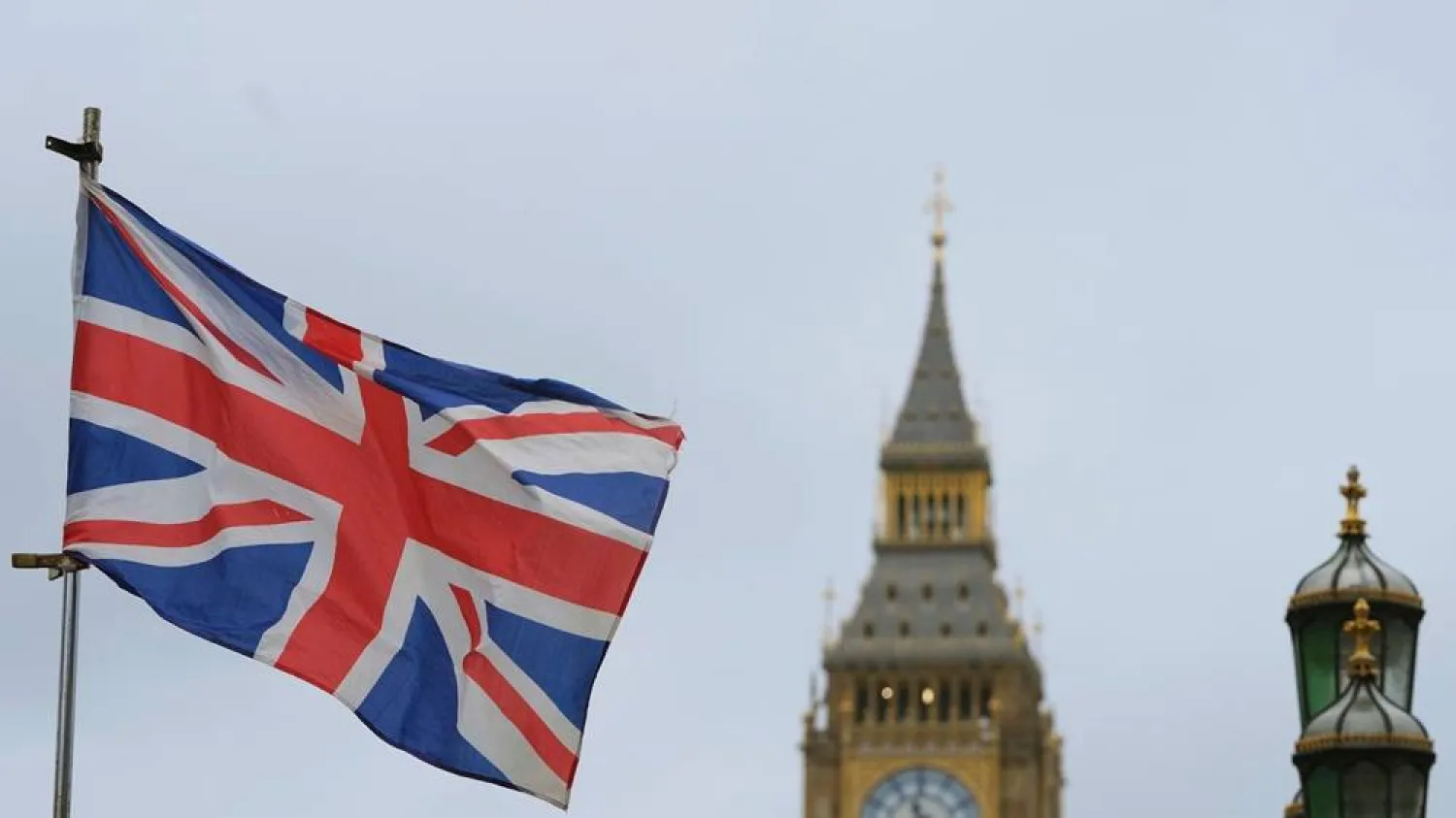
A Union flag flies near Big Ben in London, Friday, Jan. 31, 2025, on the 5th anniversary after the UK officially left the European Union. (AP)
TT

UK’s Lush Returns to India as Luxury Beauty Booms

A Union flag flies near Big Ben in London, Friday, Jan. 31, 2025, on the 5th anniversary after the UK officially left the European Union. (AP)

UK cosmetics brand Lush has returned to India around two decades after its exit, aiming to tap the country's booming luxury beauty market, a senior executive told Reuters.

The company has partnered with Bengaluru-based Bilberry Brands under a licensing deal, starting with an online launch before expanding into physical stores.

Global beauty brands from Estee Lauder to Japan's Shiseido are ramping up their presence in India as growth slows in developed markets, betting on the nation's luxury beauty market that is expected to quintuple to $4 billion by 2035.

"Shopping retail has changed a lot. You have got a lot more Western brands (that) people are more aware of," Lush co-founder Rowena Bird said in an interview, attributing the growing awareness to rising Internet use in India.

In its first 18–24 months of expansion, Lush and its partner aim to open stores in major cities such as New Delhi, Mumbai and Bengaluru, after approaching 25 top malls nationwide, Bilberry Brands founder Vishal Anand said.

Founded in 1995 and known for its "bath bombs", or fizzy, scented balls that dissolve in water, Lush operates in over 50 countries with more than 850 stores. It posted a turnover of nearly 675 million pounds ($887.36 million) for the year ended 30 June 2024, down 5% from a year earlier.

The re-launch follows a July free-trade agreement between Britain and India that will cut tariffs on goods from textiles to cars, and phase out duties of up to 22% on UK cosmetics and toiletries.

Lush will import most of the 350-plus products for the country from its UK factory, while making a small share of "fresh" items such as face masks locally with Indian ingredients, Bird said.



Cartier-Owner Richemont Quarterly Sales Beat Estimates as Jewellery Demand Continues

 A rock crystal and diamond bracelet by Cartier, estimated at US$1-2 million, during a preview ahead of Christie's auction in Geneva, Switzerland, November 5, 2026. (Reuters)
A rock crystal and diamond bracelet by Cartier, estimated at US$1-2 million, during a preview ahead of Christie's auction in Geneva, Switzerland, November 5, 2026. (Reuters)
TT

Cartier-Owner Richemont Quarterly Sales Beat Estimates as Jewellery Demand Continues

 A rock crystal and diamond bracelet by Cartier, estimated at US$1-2 million, during a preview ahead of Christie's auction in Geneva, Switzerland, November 5, 2026. (Reuters)
A rock crystal and diamond bracelet by Cartier, estimated at US$1-2 million, during a preview ahead of Christie's auction in Geneva, Switzerland, November 5, 2026. (Reuters)

Cartier-owner Richemont reported a faster-than expected quarterly sales increase on Friday, helped by continued demand for its jewellery and bumper growth in the United States and Japan.

The company, which also owns Swiss watch brands Piaget and IWC, said its sales rose by 13% when measured in constant currencies to €5.95 billion ($6.58 billion) in the three ‌months to the end ‌of September.

The figure beat analyst ‌forecasts ⁠for €5.89 billion in ⁠a consensus compiled by Visible Alpha.

Although a slowdown from the 20% growth rate in the prior quarter, the figure showed the resilience of Richemont's largely jewellery-based business and a strong performance in the United States, Japan and Europe, where sales ⁠increased by 15% or more.

The Swiss-based ‌company, which makes ‌brooches, earrings and necklaces under the Cartier, Buccellati, Van Cleef & ‌Arpels and Vhernier brands, has bucked the trend ‌in a struggling luxury industry thanks to its higher exposure to jewellery, with its jewellery brands accounting for about 75% of its revenues.

Sales of Richemont's jewellery ‌unit grew 14% in the quarter, while those of its specialist watchmakers division ⁠rose ⁠12%.

The company, which does not report quarterly earnings, said its first-half net profit improved to €2.53 billion from €1.81 billion a year earlier, ahead of analyst forecasts for €2.26 billion.

"The group delivered a strong first half, carried by sustained excellent performance of our Jewellery Maisons, robust growth at our specialist watchmakers and solid momentum at our fashion and accessories Maisons, despite a challenging fashion market," Richemont Chairman Johann Rupert said in a statement.


Frasers Executive David Epstein Becomes Hugo Boss CEO after Takeover

FILE PHOTO: Plastic toilet cabins are reflected in a window with the logo of Hugo Boss fashion company in central Moscow, Russia, May 8, 2025. REUTERS/Maxim Shemetov//File Photo
TT

Frasers Executive David Epstein Becomes Hugo Boss CEO after Takeover

FILE PHOTO: Plastic toilet cabins are reflected in a window with the logo of Hugo Boss fashion company in central Moscow, Russia, May 8, 2025. REUTERS/Maxim Shemetov//File Photo

Hugo Boss said on Thursday CEO Daniel Grieder would step down and leave the company at his own request, effective January 1, 2027.

The German fashion group said David Epstein from Frasers Group will ⁠succeed him as ⁠CEO, Reuters reported.

Frasers Group, already Hugo Boss's largest shareholder, took majority control of the company in October after raising its stake above 50%, months ⁠after an unsuccessful 2 billion euro takeover bid.

The move follows a series of leadership changes at Hugo Boss this year. In September, the company named Michael Murray, chief executive of Frasers Group, as chairman of its supervisory board.

The British retailer, ⁠controlled ⁠by billionaire Mike Ashley, has been expanding its presence in the premium and luxury segments.

Epstein has served as chief brand partnerships officer at Frasers Group since 2024, overseeing brand partnerships across its Sport, Premium, and Luxury businesses.


Burberry Returns to First-half Profit on Turnaround Plan

© Adrian DENNIS / AFP
TT

Burberry Returns to First-half Profit on Turnaround Plan

© Adrian DENNIS / AFP

Burberry returned to profit in its first half, the British luxury fashion label said Thursday, thanks to progress in its cost-cutting plan launched two years ago.

Net profit stood at £6 million ($8 million) in the six months to the end of September, compared with a loss of £26 million a year earlier, Burberry said in an earnings statement.

Revenue rose six percent to £1.1 billion, and the company's shares jumped more than seven percent in early deals on the London stock exchange, AFP said.

Burberry began a turnaround plan at the end of 2024 aiming to boost sales and cut costs as the global luxury sector suffers from weaker demand in China.

Under chief executive Joshua Schulman, Burberry has refocused on its staple outerwear, including its famed trench coats, in a bid to improve its fortunes.

Comparable retail sales grew four percent in the first half, lifted by sales in its key China market and in the Americas.

"The CEO is now over two years into his tenure and has injected a breath of fresh air into the brand's fortunes," said Richard Hunter, head of markets at Interactive Investor.

He said the company's "strategy is gaining momentum as the brand increasingly resonates with the Gen Z cohort", while noting "the transformation is still in its early stages, and that of course the fashion industry can be a fickle business."

China is a key market for the luxury sector, but as the country's post-pandemic recovery continues to struggle, consumption has flagged, sending jitters across the globe.