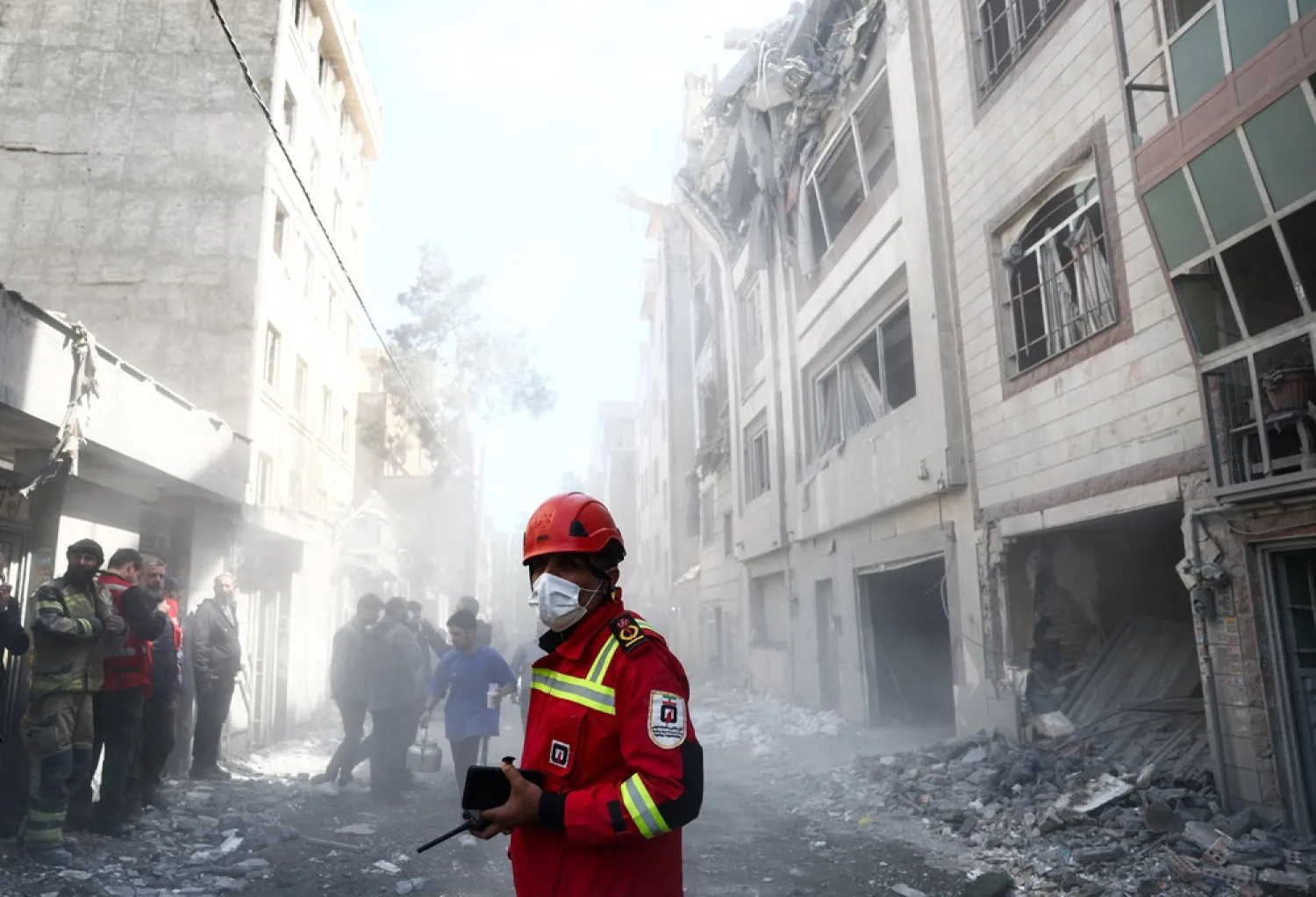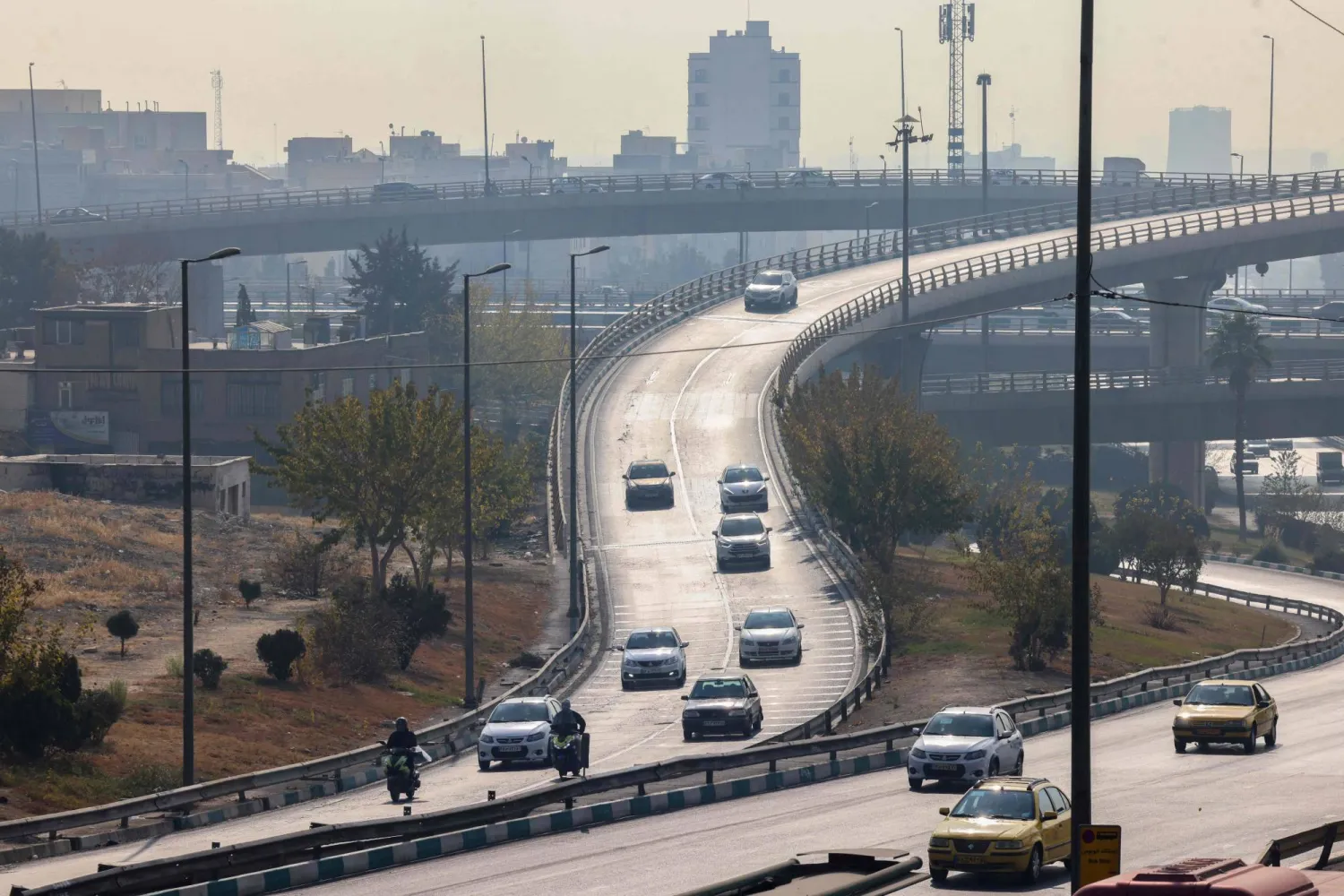

Iranian former President Hassan Rouhani said on Saturday that five months after the end of the war with Israel, his country is still caught in a “no peace, no war” stalemate.
He called on strengthening security deterrence through attracting Iranian elites living abroad rather than imposing a climate of fear.
At a meeting with ministers of his former cabinet, Rouhani noted that five months after the 12-day war, no concrete steps have been taken to address the “no war, no peace” stalemate despite Supreme Leader Ali Khameini's calls to act in this regard.
Iranian senior officials have urged the need for internal cohesion to face ongoing challenges following the war with Israel.
On Thursday, Khamenei warned against internal divisions, calling on Iranians to stand together “against the enemies.”
In a televised address, he said the United States and Israel had “failed” to achieve their objectives in the 12-day war in June.
“They came to commit crimes, only to be struck back and return empty-handed... This is the true meaning of defeat,” Khamenei said.
“They attempted to deceive the Iranian people and drag them into following their lead, but the outcome was the opposite,” he continued. “The Iranian people became more united in confronting America and succeeded in frustrating the adversary.”
Following the 12-day war, officials in Iran accused Rouhani of seeking to replace Khamenei in case of an assassination attempt against the Supreme Leader.
“There is no sense of security among citizens,” the former President said, noting the difficulty of achieving economic growth, reducing inflation or attracting investment when people feel unsafe.
He added that Iran must rebuild its deterrence and avoid turning into a state ruled by fear.
“We need real security, not a climate of fear. Security should bring trust and calm, not anxiety,” he said.
Rouhani also noted that “strengthening deterrence requires the development of intelligence capabilities, cooperation with other countries' agencies,” saying that if Iran wants to attract Iranian elites abroad and enhance its IT capabilities, the country should end the atmosphere of fear.
He expressed regret for what he called “the widespread lack of regional deterrence,” warning that the region is currently dominated by the United States and Israel.
“The airspace of neighboring countries, including Iraq, Syria, Lebanon, and Jordan, is under the dominance of the US and Israel,” which he said allows hostile airstrikes to reach Iran's borders.
Rouhani noted that Iran must strengthen its political and intelligence deterrence through diplomacy and national unity, saying “political deterrence can prevent war.”
The former President also defended the 2015 nuclear deal, saying it allowed Iran not to be regarded as an international threat.
“The deal prevented the nuclear program from becoming a security file that endangered Iran's security,” Rouhani added.