
The International Atomic Energy Agency (IAEA) has called for strengthening international coordination to address newly emerging global challenges, and to employ innovation and modern technologies to enhance collective capabilities in responding to nuclear emergencies.
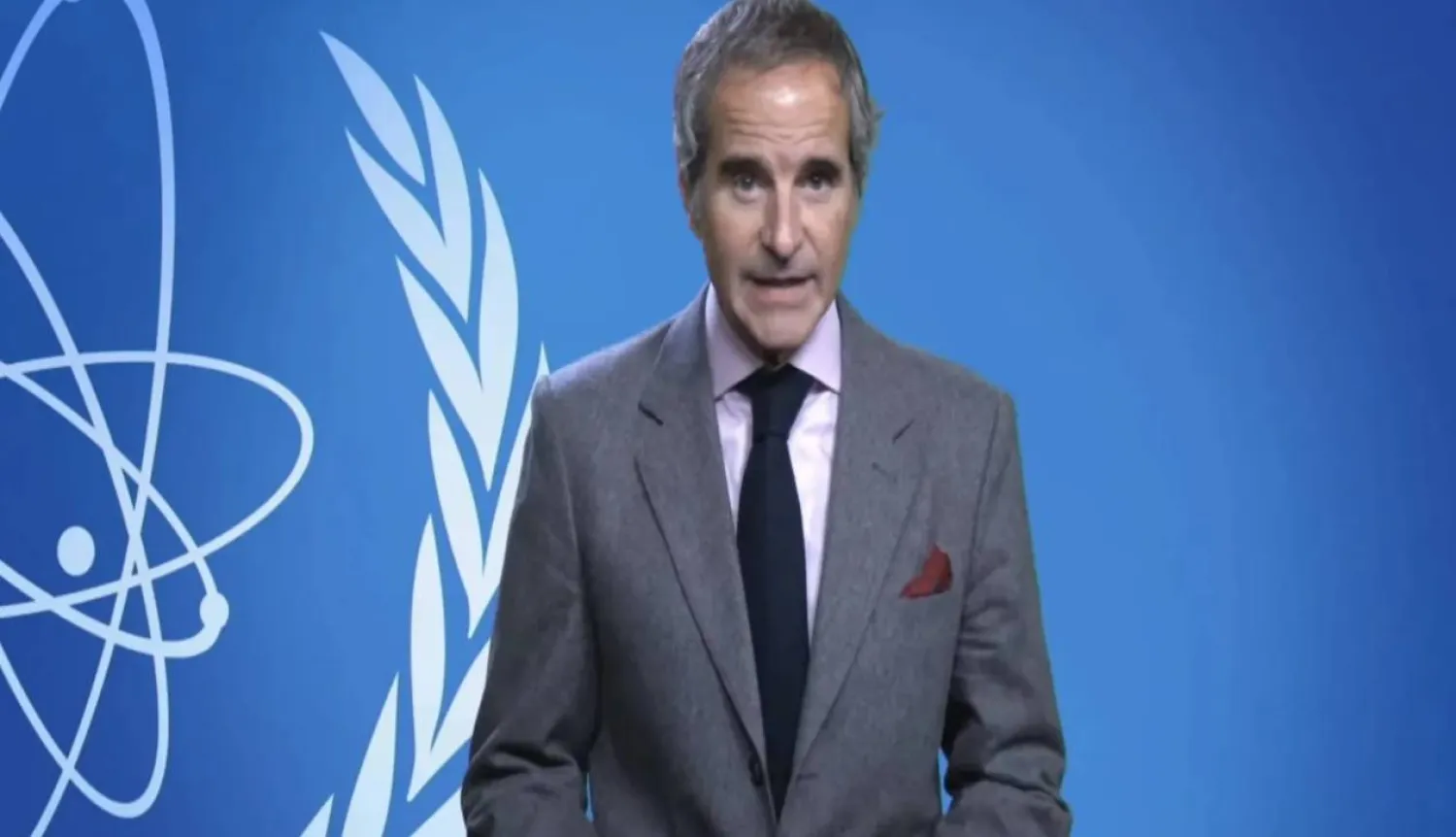
In a video message opening the International Conference on Nuclear and Radiological Emergencies (EPR2025), which kicked off in Riyadh on Tuesday, IAEA Director General Rafael Grossi said: “First, nuclear energy depends on trust, and this trust is earned through robust, science-based emergency preparedness and response."
"Public confidence hinges on people knowing that authorities are prepared and seeing them act effectively when it matters most. Nuclear safety, security and emergency preparedness must come first, and must be credible and transparent," he added.
The four-day conference organized by the IAEA in cooperation with Saudi Arabia’s Nuclear and Radiological Regulatory Commission (NRRC) will identify priorities for strengthening emergency preparedness and response (EPR) under the theme “Building the Future in an Evolving World.”
The event is gathering more than 450 participants from over 100 countries and four international organizations. Experts, emergency responders, regulators and technical specialists will share experiences, present new research and discuss practical measures to strengthen global nuclear and radiological EPR.
Khalid Aleissa, NRRC Chief Executive Officer and President of the Conference, underlined the importance of institutional preparedness when dealing with radiological accidents.
“The history of our field is marked by moments that tested the boundaries of science, governance and human resolve,” he said.
The “conference stands as a testament to the Kingdom’s unwavering commitment to advancing the peaceful applications of nuclear science and technology, while upholding the highest standards of safety, security, and preparedness,” he said.
“Through the integration of emerging technologies, the exchange of practical experience, and deeper collaboration with the IAEA and our international partners, we collectively enhance global resilience in nuclear and radiological emergency preparedness and response,” Aleissa added.