



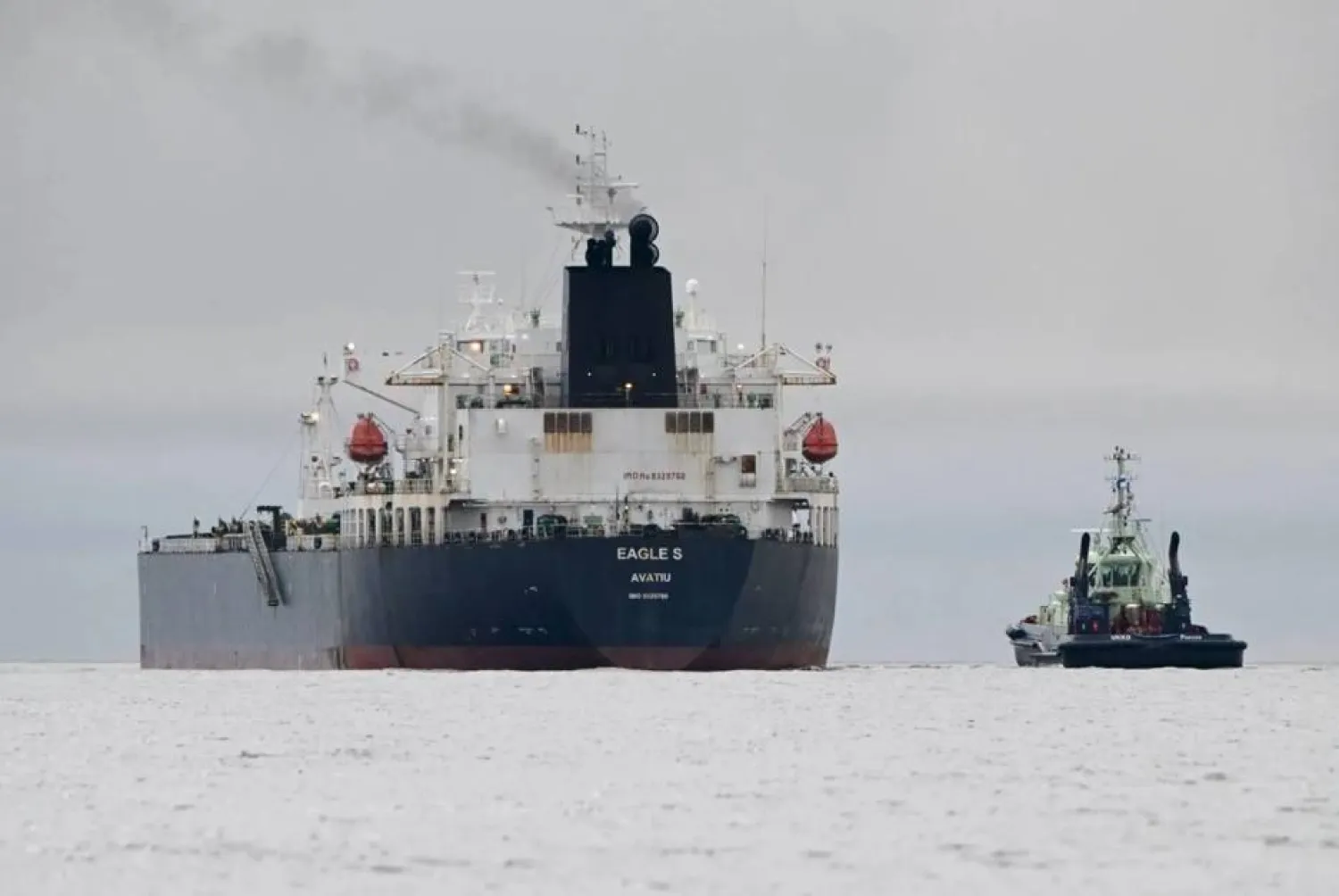

At least 34 Cook Islands–flagged tankers suspected of smuggling contraband crude for Russia and Iran have been using a beachside office in the tropical South Pacific to cover their tracks.
Maritime Cook Islands, a private operator that runs the registry for the self-governing Pacific territory is nestled next to a pizza shop.
Without ever setting foot in the palm-fringed microstate, foreign ship owners can pay the private operator to sail under the Islands’ star-studded flag.
An AFP analysis of sanctions data has revealed that United States sanctions data identifies 20 tankers registered in the Cook Islands suspected of smuggling Russian and Iranian fuel between 2024 and 2025.
A further 14 Cook Islands-flagged tankers are blacklisted on a separate database of British sanctions covering the same period.
New Zealand, by far the Cook Islands' closest diplomatic partner, said it was “alarming and infuriating” to see sanctions efforts undermined.
“New Zealand continues to hold serious concerns about how the Cook Islands has been managing its shipping registry, which it has repeatedly expressed to the Cook Islands government over many years,” said a spokesman for Foreign Minister Winston Peters.
“This is a completely unacceptable and untenable foreign policy divergence.”
The self-governing Cook Islands remain in “free association” with former colonial ruler New Zealand, which is still involved in areas such as defense and foreign affairs.
Maritime Cook Islands operates the shipping registry as a private company “under a delegation of authority” from the government, and is overseen by the nation's transport regulator.
Government revenue from shipping fees climbed more than 400% in the past five years, Cook Islands budget papers show, and were on track to total $175,000 over the past financial year.
Shipping journal Lloyd's List last year crowned Maritime Cook Islands the “fastest growing registry” in the world.
But these registries, typically operated as private companies, have run into trouble.
The Royal United Services Institute, a leading UK think tank, said Iran and North Korea had been exploiting small shipping registries for years.
“Many shadow fleet vessels use flags of convenience from countries that are either less inclined or unable to enforce Western sanctions,” notes a European Parliament briefing from 2024.
In April, a UAE-based shipping company was accused of smuggling “millions of dollars” of fuel on behalf of the Iranian military in the Gulf.
The company owned tankers flagged in Barbados, Gambia, Panama and the Cook Islands, according to US sanctions.
“There are countries around the world that sign up to sanctions against Russia that wouldn't allow these ships to fly their flag,” said Anton Moiseienko, an expert in sanctions and financial crime at Australian National University.
“But there are countries that are a bit more lax about that,” he told AFP. This is where the Cook Islands comes in.”
Western sanctions aim to curb Iran and Russia cashing in on oil sales, limiting funding for Tehran's nuclear program or Moscow's invasion of Ukraine.
