
Italian cooking, already celebrated around the world, is poised for a new accolade: formal recognition as a cultural treasure from the United Nations' cultural agency, UNESCO.
A preliminary UNESCO assessment has cleared Italian cuisine to be added to UNESCO's "Intangible Cultural Heritage" lists and a final decision is expected on Wednesday.
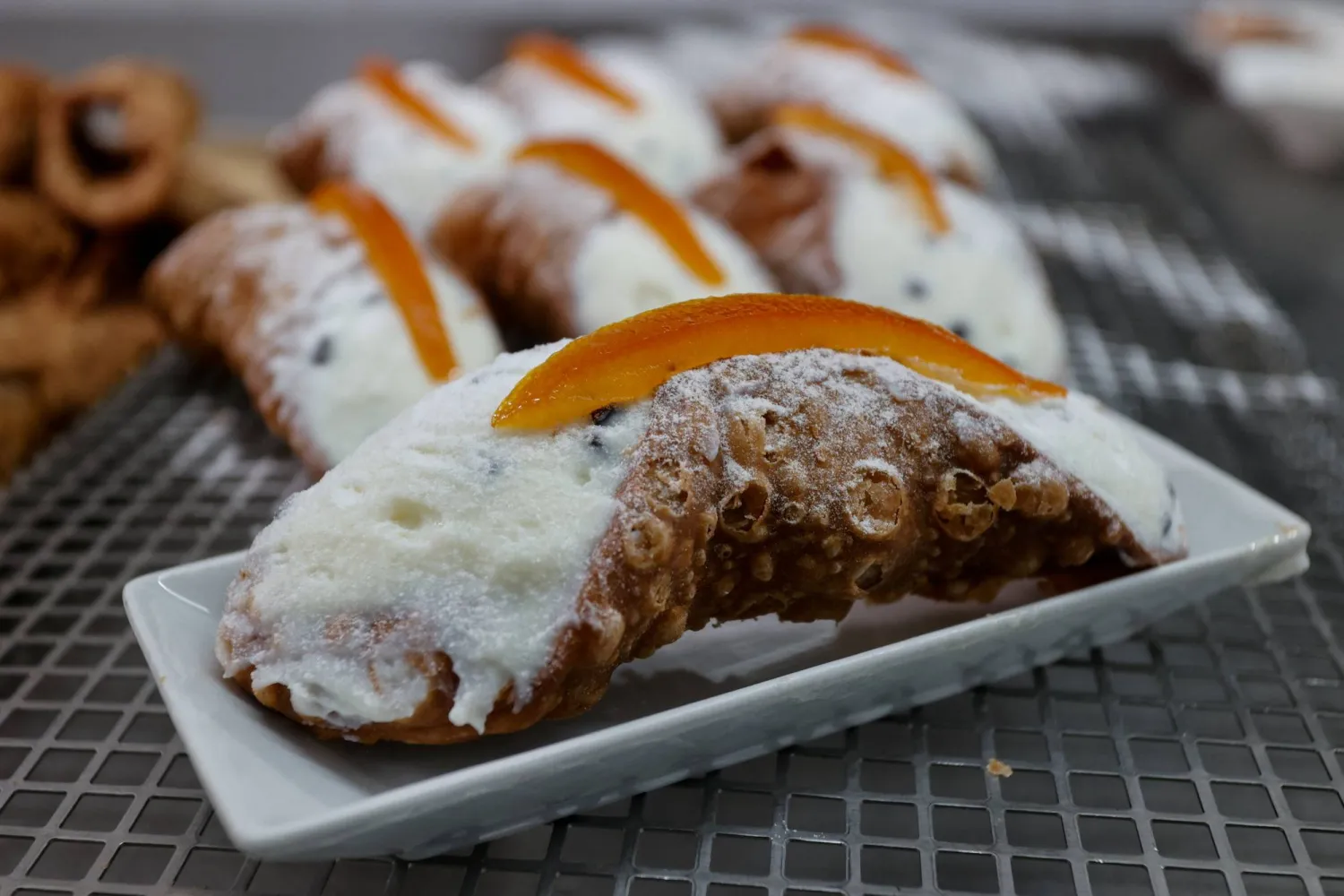
Launched in March 2023 by Italy’s agriculture and culture ministries, the bid casts Italian cuisine - from pasta and pizza to risotto and cannoli - as a social ritual that binds families and communities together.
"There is no single Italian cuisine, but a mosaic of local expressive diversities," the government said.
From Lombardy's ossobuco - braised veal shanks with gremolata, to Puglia's orecchiette con cime di rapa - ear-shaped pasta with turnip greens, each region showcases Italian biodiversity and creativity, it said.
CULTURAL AND ECONOMIC FOOTPRINT
Prime Minister Giorgia Meloni has championed the effort, calling Italian food a symbol of "culture, identity, tradition and strength."
Industry groups estimate UNESCO recognition could boost tourism by up to 8% in two years, adding 18 million overnight stays. Italian cuisine also connects 59 million residents with up to 85 million people of Italian descent worldwide.
Globally, the Italian food service market hit 251 billion euros ($293 billion) in 2024, or 19% of the global restaurant market, Deloitte said. But imitation products abroad cost Italy an estimated 120 billion euros annually.
CRITICISM AND DEBATE
Not everyone in Italy supports the bid to join UNESCO lists, which already feature almost 800 items including Italian opera singing and truffle hunting.
Alberto Grandi, a food historian, called the UNESCO candidacy "just a marketing operation" in an interview with website Mantovauno last month.
In his 2024 book "La cucina italiana non esiste" ("Italian cuisine doesn't exist"), Grandi argued that many dishes considered traditional, including pasta alla carbonara, are relatively modern inventions influenced by foreign cultures.
Grandi's remarks have sparked a backlash from farmers' association Coldiretti, which called his claims "surreal attacks on national culinary tradition."
'THE ART OF CARING'
For restaurateurs like Luigina Pantalone, owner of Rome's historic Da Sabatino, a UNESCO nod from Wednesday's meeting in India would be a source of pride.
"Authentic Italian cuisine needs to be protected," she said, recalling childhood days washing dishes with her brothers and proudly noting that she is the fourth generation of her family to run the restaurant.
Three-Michelin-star chef Massimo Bottura summed it up: "Italian cuisine is an ancient, daily, sacred ritual – the art of caring and loving without saying a word."