After Egypt’s Foreign Ministry launched a white paper outlining the principle of strategic balance in Egyptian diplomacy, Asharq Al-Awsat spoke to Foreign Minister Badr Abdelatty on a broad range of regional crises in which Cairo is engaged as a mediator, partner and diplomatic actor.
Abdelatty described relations between Egypt and Saudi Arabia as exceptionally strong and enduring, revealing that preparations are under way for the first meeting of the Egyptian-Saudi Supreme Coordination Council, to be attended by President Abdel Fattah al-Sisi and Crown Prince Mohammed bin Salman.
He said coordination between Cairo and Riyadh spans key regional files, including Gaza and Red Sea security, stressing that Egypt and Saudi Arabia are the two wings of the Arab and Islamic nations and that neither can function effectively without the other.
On Gaza, Abdelatty placed responsibility on Israel for the failure to move to the second phase of the ceasefire agreement with Hamas, linking the impasse to what he described as lack of Israeli commitment to the plan put forward by US President Donald Trump.
He said the first phase had been implemented in full except for one body of an Israeli hostage still missing beneath vast amounts of rubble and unexploded ordnance left by Israel’s assault.
Egypt, he added, is counting on Washington to ensure enforcement of the agreement and a transition to the second phase, despite ongoing Israeli violations of the ceasefire.
He stressed the need to consolidate the truce and implement all obligations of the second phase, including Israeli redeployment and withdrawal from Gaza, in line with the plan and with UN Security Council Resolution 2803.
Abdelatty said Egypt is actively engaged on the temporary transitional arrangements referenced in the resolution, adding that Cairo is ready and that sustained pressure is needed to move forward.
Abdelatty said in the interview with Asharq Al-Awsat that Egypt remains in constant contact with the US, which he described as fully invested in translating the plan into reality.
As one of eight Arab and Islamic states that met the US president in New York on the sidelines of the UN General Assembly and endorsed his vision, Egypt has presented proposals aligned with Arab and Islamic positions.
He described the dialogue with Washington as positive and ongoing at political, security and intelligence levels.
On the proposed International Stabilization Force in Gaza, Abdelatty said discussions with Washington were serious and constructive, but stressed that the force must be tasked with peacekeeping, not peace enforcement.
This means it would focus on monitoring adherence to the ceasefire and assisting with the operation of border crossings, while internal security and law enforcement should remain the responsibility of the Palestinian police.
He reiterated Egypt’s call for a technocratic committee to manage civilian affairs in Gaza, noting that Cairo has submitted a list of 15 names agreed upon by Palestinian factions.
Egypt supports the formation of an international force, Abdelatty said, and is prepared to provide logistical and technical support and participate in command and control structures.
On Hamas’ weapons, he said restricting and handing over arms is an issue that should be resolved through intra-Palestinian dialogue, potentially through a gradual handover process.
Egypt has also proposed a comprehensive plan for Gaza’s reconstruction and expressed readiness to host an international funding conference. Abdelatty said Cairo is coordinating closely with Washington and has held recent talks with Secretary of State Marco Rubio and Trump’s son-in-law Jared Kushner.
Discussions are continuing to determine the timing and venue of the conference.
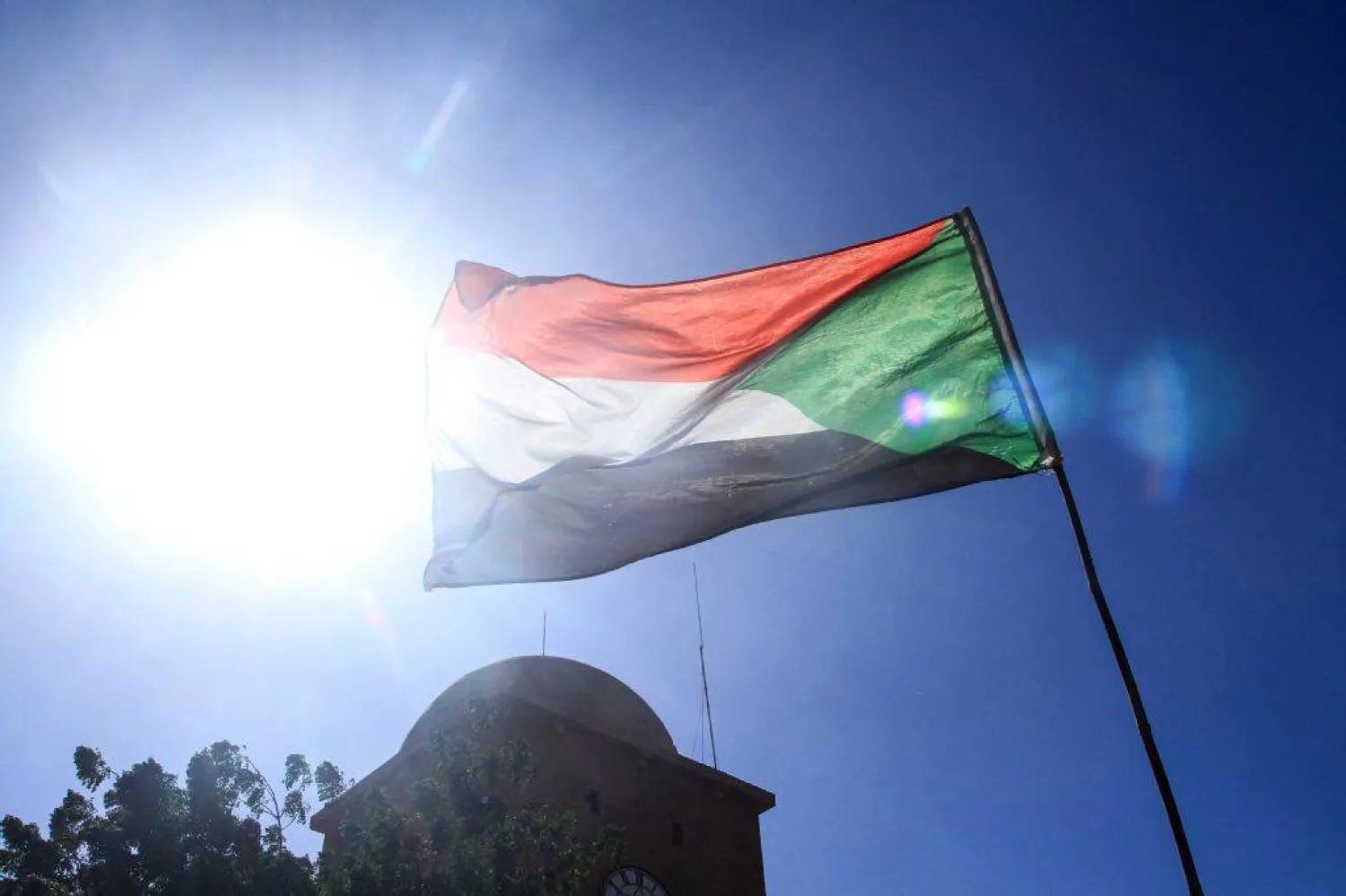
As for Egypt’s efforts to end the conflict in Sudan, Abdelatty said they remain uncompromising. Cairo is driven by a commitment to preserving state institutions, unity and territorial integrity in Sudan, he told Asharq Al-Awsat.
Egypt is also working with Saudi Arabia, the UAE and the US within an international quartet, while coordinating with the UN to facilitate humanitarian access, mobilize aid and establish safe zones.
Britain and Qatar, he said, have expressed readiness to contribute.
Abdelatty also stressed that there is no military solution to the crisis in Sudan.
On Libya, he warned against entrenching the east-west split and called for unifying state institutions, particularly military and security bodies, to enable simultaneous presidential and parliamentary elections.
He reaffirmed Egypt’s rejection of the Turkish-Libyan maritime memorandum, while confirming continued dialogue with both sides. He called for foreign forces to withdraw and militias to be dismantled.
Abdelatty said relations with Türkiye are improving despite differences. In the Horn of Africa, he denied that Egypt’s support for Somalia targets Ethiopia, and said Cairo will join a peacekeeping mission to combat terrorism.
He also stressed that Red Sea governance belongs exclusively to littoral states.
On the Nile dam dispute, Abdelatty said talks with Ethiopia have reached a dead end, warning Egypt reserves its right to self-defense if its water security is harmed.
He also reaffirmed Egypt’s support for stability in Syria and Lebanon, condemning Israeli violations of Syrian sovereignty and pledging continued diplomatic efforts to shield Lebanon from escalation.